When a child struggles to connect with the world, the perfect companion might have four paws and a wagging tail. Animals possess an extraordinary gift for reaching children in unique ways. For autistic and neurodiverse children, pets offer natural, easy connection, wordless comfort, and judgment-free friendship. Parents, therapists, and educators have celebrated these transformative relationships for years, sharing countless stories of real change. And for this reason, we use animals in therapy. So, let us explore the wonderful reasons why this connection is so powerful!
Emotional Benefits
A child comes home from school overwhelmed, anxious, and ready to melt down. Then the family dog trots over, settles beside them, and suddenly the tension starts to fade.
This is biology at work. When children interact with pets, their bodies actually respond at a chemical level. Cortisol, the stress hormone that floods our system during anxiety, drops significantly. At the same time, oxytocin, often called the “love hormone,” increases. This combination creates a natural calming effect that no amount of verbal reassurance can quite replicate.
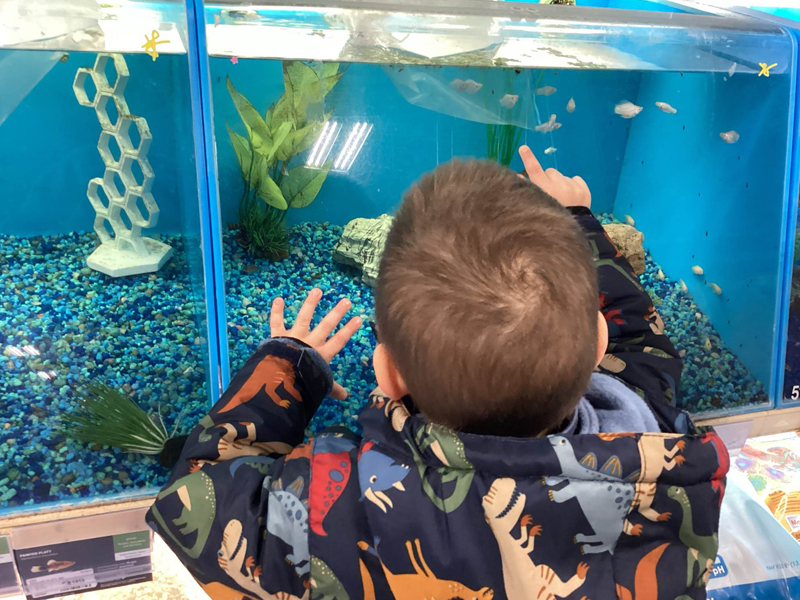
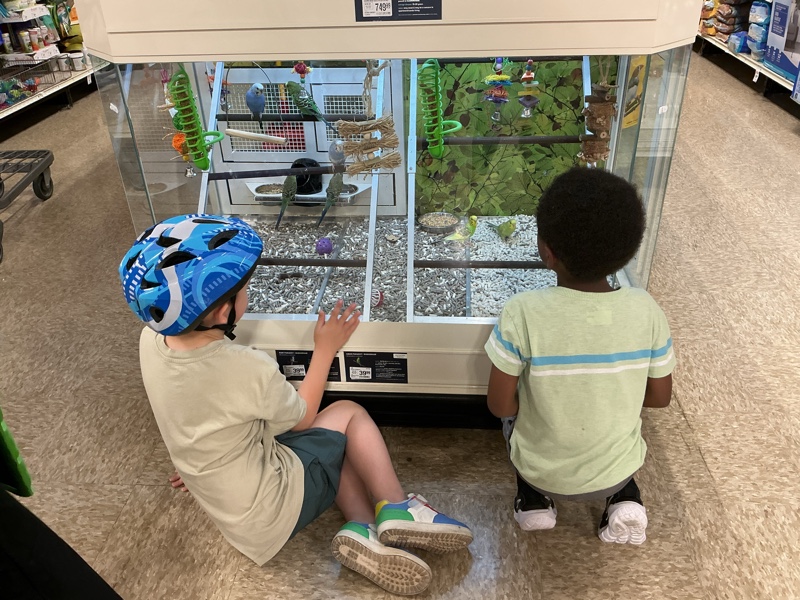
The simple act of petting a dog or watching fish swim in a tank can shift a child’s entire nervous system from fight-or-flight mode to a state of calm and relaxation.
Emotional Regulation
Many autistic and neurodiverse children find it hard to identify and manage their emotions. The feelings come too fast, too strong, too confusing. But with a pet, something changes.
A child might bury their face in a dog’s soft fur during a difficult moment. They might sit quietly with a cat purring on their lap. These interactions become tools for self-soothing that the child controls. There is no adult telling them to “calm down” or “take deep breaths.” The comfort just happens naturally.
Unconditional Acceptance
Here is what makes pets truly special: they do not care if a child makes unusual sounds, flaps their hands, or needs to follow the same routine every single day. A dog does not judge behavior. A cat will not criticize communication difficulties. This acceptance is pure and absolute.
For children who often feel different or struggle to fit in, having a friend who loves them exactly as they are builds self-esteem in ways that words alone cannot.
Social Benefits
Social interaction is like trying to solve a puzzle with missing pieces. The unwritten rules, the subtle facial expressions, and the timing of conversations are exhausting and confusing. Pets change this dynamic completely.
Bridge to Interaction
Watch what happens at a playground when a child brings their dog. Other kids approach. They ask questions. They want to pet the dog or throw a ball. Suddenly, the neurodiverse child has something to talk about without the pressure of direct social demands.
The pet becomes a conversation starter, a shared interest, and a reason to interact. Children who might never initiate contact with peers find themselves leading discussions about their dog’s favorite treats or silly tricks.
Reduced Social Anxiety
Social situations often feel threatening to children on the spectrum. Too many people, too much noise, too many expectations. But when a familiar pet is nearby, the situation transforms.
The animal acts as an anchor point, something safe and predictable in an unpredictable environment. Some children hold onto their service dog during challenging social moments, using that physical connection as a source of courage. The dog’s calm presence sends a message: “You’re okay. I’m here.”
Shared Interest
Every parent of a neurodiverse child knows the challenge of helping their child connect with peers. What do they talk about? How do they join in?
A pet solves this problem naturally. At school, a child can share stories about their rabbit. At therapy, they can show photos of their guinea pig. When kids come over to play, the family dog provides built-in entertainment and a neutral focus that takes the pressure off direct social interaction. These shared moments around animals create friendships that might never form otherwise.
Developmental Benefits
Growth and development do not only happen in therapy rooms or structured lessons. Some of the most powerful learning occurs during everyday moments with a trusted companion.
Communication Practice
Many children talk to their pets long before they are comfortable speaking to people. There is a reason for this. Pets listen without interrupting, never correct grammar, and respond with body language that is easy to read.
A child might explain their entire day to the family cat, practicing language skills without even realizing they are learning. They narrate what they are doing as they play with their dog. They read books aloud to a patient guinea pig. This low-pressure practice builds confidence and fluency that transfers to human interactions.
Responsibility and Routine
Structure matters tremendously for neurodiverse children. They thrive when they know what comes next. Caring for a pet creates natural routines that mark the day. Feed the dog at seven. Walk before school. Refill the water bowl after dinner.
These tasks give children ownership and purpose. They learn that their actions matter, that another living being depends on them. This builds executive function skills like planning, time management, and follow-through.
Motor Skills
The physical acts of caring for a pet have surprising developmental benefits. Brushing a dog requires coordination and controlled movement. Cleaning a hamster cage involves fine motor skills. Walking with a leash teaches balance and body awareness. Playing fetch develops throwing accuracy and tracking moving objects. These are fun activities that naturally strengthen both fine and gross motor skills while building that crucial human-animal bond.
Cognitive & Learning Benefits
Learning differences do not mean learning cannot happen. Sometimes it just means finding the right teacher. For many children, that teacher has fur, feathers, or fins.
Focus and Attention
Children with ADHD or attention challenges often struggle to stay engaged with tasks. But introduce a therapy dog to a reading session, and suddenly that same child sits still for twenty minutes reading aloud.
The animal’s presence provides sensory input that helps regulate the child’s nervous system. Their calm energy acts as a focusing force. Many teachers report that simply having a classroom pet improves attention and reduces disruptive behaviors across the entire group.
Problem-Solving
Pets present real problems that need real solutions. The dog is barking. Why? Is he hungry? Does he need to go outside? Is someone at the door? The fish tank looks cloudy. What should we do? The cat knocked over her water bowl. How do we clean it up and prevent it from happening again?
These scenarios require children to observe, think critically, and act. Unlike abstract worksheets, these problems feel more direct. The child is motivated to figure them out because they care about their pet’s wellbeing.
Learning Empathy
Theory of mind, the ability to recognize that others have different thoughts and feelings, can be challenging for autistic children. Pets provide a safe way to practice this crucial skill. A child learns to read their dog’s body language. They notice when the cat wants to play versus when she needs space. They recognize signs of hunger, discomfort, or happiness. These observations teach perspective-taking in concrete, visible ways. The child learns that their actions affect how another being feels, laying groundwork for human empathy.
Therapeutic & Clinical Applications
The benefits of animals are not just anecdotal. Professionals have recognized their power and integrated them into formal treatment approaches.
Animal-Assisted Therapy
Therapists now regularly include animals in sessions targeting specific development goals. A speech therapist might have a child practice unfamiliar words by giving commands to a therapy dog. An occupational therapist could use grooming a rabbit to work on fine motor control and sensory tolerance.
Even watching fish in a tank has proven benefits for reducing anxiety and improving focus. These are not just fun additions to therapy. They are strategic tools that increase engagement and accelerate progress.
Service Animals
Specially trained service dogs provide support that goes far beyond companionship. These remarkable animals can sense when a child is about to have a meltdown and intervene with calming pressure.
They can guide a child who bolts or wanders, keeping them safe. During transitions, which are often difficult for autistic children, the dog provides consistency and comfort. Some service dogs even alert parents to their child’s distress from another room. They become an extension of the care team, offering 24/7 support.
Complementary Support
Animals do not replace professional therapy. They enhance it. A child might work on social skills with a therapist during weekly sessions, then practice those same skills at home with their dog as a patient partner.
The pet reinforces what therapy teaches, providing daily opportunities to apply new abilities in a safe environment. This combination of professional guidance and natural practice creates powerful results.
Family & Community Impact
The ripple effects of having a pet extend far beyond the individual child. Entire families and communities feel the difference.
Shared Bonding
When a family gets a dog, everyone participates in care. Siblings help with walks. Parents supervise feeding. Grandparents play and cuddle. These shared responsibilities create connection points that might not exist otherwise.
A family member might gather to watch the hamster run on his wheel, laughing together at his antics. They work as a team to teach the dog a new trick. These moments of joy and cooperation strengthen family relationships, creating positive experiences.
Community Inclusion
Taking a dog for a walk opens doors to community connection. Neighbors stop to chat. Other dog owners have friendly faces at the park. A child who might feel isolated finds themselves part of a community of pet lovers.
Pet-friendly events, from farmers markets to outdoor festivals, become accessible social opportunities. The dog gives the child a reason to be there and a natural way to interact with others.
Joy
Let us be honest. Raising a neurodiverse child comes with hard days. Therapy appointments, school struggles, worried nights, and moments of wondering if anything will ever get easier.
But then the dog does something silly. The cat purrs contentedly in a lap. The rabbit hops over for a treat. These small moments of pure happiness matter. They remind families that joy exists alongside challenges. They provide relief and laughter when both are desperately needed. A pet does not solve everything, but it makes the journey more bearable.
Choosing the Right Dog
Not all dogs work well for all families. If you are considering adding a canine companion to support a neurodiverse child, some breeds consistently show the traits that make them ideal partners.
Golden Retriever
These dogs seem designed for this role. Their gentle nature and infinite patience make them favorites for therapy and service work. They are incredibly trainable, eager to please, and naturally attuned to human emotions. A Golden Retriever will tolerate a child’s unpredictable movements, unusual sounds, and need for physical contact without becoming stressed or reactive. They are large enough to provide deep pressure comfort but gentle enough to be safe with children.
Labrador Retriever
Labs share many qualities with Goldens but often bring more playful energy to the relationship. They are loyal, adaptable, and thrive on routine, which matches beautifully with the structured environment many neurodiverse children need. Their friendly nature makes them excellent family dogs who bond with everyone while still forming a special connection with their primary child. Labs are also highly motivated by food and play, making training straightforward even for families new to dog ownership.
Poodle
Do not let the fancy haircuts fool you. Poodles are brilliant, trainable, and wonderfully consistent in temperament. For families dealing with allergies, their hypoallergenic coat is a huge advantage. They come in three sizes, from toy to standard, so families can choose the size that fits their living situation and the child’s comfort level. Poodles are sensitive to their humans’ emotions and adapt their behavior accordingly. Their intelligence means they learn household routines quickly and stick to them reliably.
Beagle
These smaller dogs bring curiosity and affection to an accessible package. Their size makes them less intimidating for younger or smaller children. Beagles are friendly, even-tempered, and their playful nature can encourage active engagement from children who might be withdrawn or sedentary. They are pack animals by nature, which means they bond strongly with their family and naturally include everyone in their social circle.
What Makes These Breeds Work
Temperament
Children who struggle with change and uncertainty need dogs whose reactions they can anticipate. These breeds are stable, consistent, and unlikely to have sudden aggressive outbursts.
Patience
Neurodiverse children might interact differently—too rough, too timid, approaching and retreating repeatedly, or engaging in repetitive play. The right dog tolerates this without becoming frustrated or stressed.
Trainability
These dogs need to learn household rules, respect boundaries, and potentially perform specific support tasks. Breeds eager to please integrate smoothly and can be taught to support the child’s needs.
Bonding
They love human company and seek it out. They are happiest when they are part of the family, involved in daily activities, and close to their people. This desire for connection makes them natural partners for children needing reliable friendship.
Animals will not cure autism or eliminate neurodiversity’s challenges. That is not their role. But they offer something equally valuable: a safe bridge to the world, a patient teacher, and a friend who never walks away.
For children struggling to express emotions, pets provide a vocabulary of touch and presence. For those finding social interaction painful, animals offer pressure-free connection. For families stretched thin by appointments and interventions, pets bring uncomplicated joy.
This relationship teaches us something important about connection: sometimes the most powerful support does not come from perfect understanding or sophisticated interventions. It comes from simple presence, genuine acceptance, and quiet knowledge that someone is always glad you are there.
Whether therapy dogs, family cats, or peaceful aquarium fish, animals meet children exactly where they are. They do not demand change or improvement. They offer unconditional love and companionship on the child’s terms.
Frequently Asked Questions
What age is best to introduce a pet to an autistic child?
There is no perfect age that works for everyone. Some families successfully introduce pets to toddlers, while others wait until their child is older and can participate in care routines. The decision depends more on your child’s specific needs and sensory sensitivities than their age.
Consider starting with visits to friends who have calm pets or spending time at a petting zoo to gauge your child’s comfort level. If your child shows interest and does not display fear or sensory overload around animals, that is a good sign they might be ready.
Can cats work as well as dogs for autistic children?
Absolutely. While dogs get more attention in therapy settings, cats can be wonderful companions for neurodiverse children. Their quieter nature and independence actually appeal to some children who find dogs too energetic or demanding. Cats provide calming sensory input through purring and soft fur.
They are also lower maintenance than dogs, which can reduce family stress. The key is to match the pet’s personality to your child’s needs. A laid-back, affectionate cat might be perfect for a child who wants companionship without constant interaction.
What if my child is afraid of animals?
Fear is a valid response and should not be pushed. Start small and move slowly. Begin with pictures or videos of animals. Visit aquariums where your child can observe fish from a safe distance. Try smaller, caged pets like hamsters or guinea pigs that stay contained. Never force interaction.
Let your child set the pace. Some children need months or even years to warm up to the idea of a pet. Others might always prefer animals at a distance, and that is okay too. The goal is comfort, not forcing a connection that does not feel right.
How much does a trained service dog cost?
Service dogs specifically trained for autism support typically cost between $10,000 and $30,000. This steep price reflects the extensive training involved, often 18 to 24 months of specialized work. However, many organizations offer financial assistance, fundraising support, or even fully sponsored dogs for families in need.
Some families choose to collaborate with professional trainers to train their own dog, which costs less but requires considerable time and commitment. Remember that not every child needs a service dog. A well-chosen family pet can provide tremendous benefits without formal training and expense.
What about other animals besides dogs and cats?
Rabbits, guinea pigs, birds, and even reptiles can benefit neurodiverse children. The best choice depends on your child’s sensory preferences and the level of interaction they want. Fish tanks provide visual stimulation and calming effects with zero physical demands. Guinea pigs are gentle and make soothing sounds. Rabbits can be litter trained and enjoy quiet companionship. Birds offer interesting behaviors to observe. Even watching a bearded dragon eat or bask under a heat lamp can be fascinating and soothing. Consider your family’s lifestyle, living space, and ability to meet the animal’s needs when choosing.
Will having a pet make therapy or interventions less necessary?
No. Pets complement professional support but do not replace it. Think of a pet as an additional team member who reinforces skills your child learns in therapy. A speech therapist teaches language skills, then your child practices those skills by talking to the dog at home. An occupational therapist works on emotional regulation, then the pet provides a natural outlet for those strategies. Pets work best when integrated into a comprehensive support plan that includes appropriate professional services.
How do I know if a specific dog is right for my child before committing it?
Most responsible breeders and rescuers allow meet and greets before adoption. Take your child to meet the dog multiple times in different settings if possible. Watch how the dog responds to your child’s behavior. Does the dog stay calm when your child makes loud sounds? Can the dog settle quietly? How does the dog react if your child approaches awkwardly or touches roughly? A good match will show patience and adaptability. Some autism service dog organizations offer trial periods where a dog lives with your family before final placement, allowing everyone to adjust and ensure compatibility.
What if my child becomes too attached and develops anxiety about the pet?
This attachment often reflects the strength of the bond, which is actually positive. However, if anxiety about the pet’s safety or wellbeing becomes overwhelming, address it like any other anxiety. Use visual schedules showing when the pet eats, sleeps, and plays so your child can predict routines. Take photos or videos of the pet that your child can look at when separated. Practice short separations with reassurance that the pet is safe and will be there when they return. If anxiety persists or worsens, discuss it with your child’s therapist who can provide specific strategies.
Are there breeds I should definitely avoid?
Generally, avoid breeds known for unpredictability, high prey drive, or guarding instincts. This includes many terrier breeds, some herding dogs that might nip, and dogs bred for protection work. Also consider energy levels. A high-energy breed like a Border Collie or Australian Shepherd might overwhelm a child who needs calm, even though these breeds are intelligent and trainable. Research breed characteristics thoroughly and meet individual dogs before deciding. Remember that each dog is unique, so breed is just one factor in finding the right match.
Can my child’s school allow a service dog to attend classes?
Yes, if the dog is a trained service animal performing specific tasks related to your child’s disability. Under the Americans with Disabilities Act, service dogs have public access rights including schools. However, emotional support animals or therapy dogs do not have the same legal protections. The process requires documentation, meetings with school administrators, and often a written plan detailing the dog’s role and care during school hours. Some schools resist initially, so you may need to advocate firmly for your child’s rights while also addressing legitimate concerns about safety and classroom management.
What is the difference between a therapy dog, service dog, and emotional support animal?
A service dog is individually trained to perform specific tasks for a person with a disability and has legal public access rights. A therapy dog is trained and certified to provide comfort to multiple people in settings like hospitals or schools but does not have public access rights. An emotional support animal provides comfort through companionship but is not trained for specific tasks and has limited legal protections, mainly for housing. For autistic children, service dogs offer the most support and access, but they are also the most expensive and require the most commitment.
How do I prepare my home before bringing a pet home?
Create safe spaces for both your child and the pet to retreat when needed. Set up baby gates to control access between rooms. Establish clear rules about feeding, touching, and playing with the pet. Use visual supports showing proper pet interaction. Pet-proof your home by securing trash, removing toxic plants, and storing cleaning supplies safely. Stock up on supplies before the pet arrives so you are not scrambling those first few days. Most importantly, prepare your child with social stories or videos about what to expect so the transition feels predictable and manageable.
Check Out These Related Articles!
Eyas Landing is a therapy clinic with a mission to provide evidence-based and family-centered therapy services for children, adolescents, and their families. The primary goal is to deliver relationship-based interventions within the most natural environments and to empower families to reach their full potential. To achieve this goal, our highly educated, compassionate staff dedicates time and expertise to create experiences that maximize therapeutic outcomes. The strength, determination, and perseverance of our clients are evident as they succeed in therapy, and ultimately in their daily lives.
Eyas Landing offers a wide range of comprehensive services including Speech Therapy, Occupational Therapy, Physical Therapy, ABA Therapy, Social Work, Family Therapy, and Neuropsych testing. Services are provided throughout the Chicagoland area via Telehealth, In-Home, and in our state of the art clinic.
Want to learn more or you have a specific question? Feel free to connect with us here!