What is Lycra?
With so many options in a city as big as Chicago, choosing the right tools that actually help your neurodiverse child can feel overwhelming. One great choice is Lycra. It’s simple to use, kid‑approved, and adds fun to everyday routines!
This stretchy, versatile fabric is a favorite among pediatric occupational therapists and is commonly referred to as spandex.
Neil Armstrong wore LYCRA® fiber when he walked on the moon in 1969. He trusted the stretch, even in outer space.
This fun fabric is easily integrated into home play-based activities, providing daily benefits for sensory processing, body awareness, and muscle strengthening.
This article explores the history of this remarkable material, how it benefits your child, and ways you can use it to create a calming, engaging environment in your home.
If you would like more personalized insights, please contact us today! We’re here to support you every step of the way.
The Surprising History of Lycra
The journey of Lycra is a fascinating story of scientific innovation that eventually found its way into pediatric therapy. It was invented in 1958 by Joseph Shivers, a chemist working for the DuPont company in Waynesboro, Virginia.
Shivers spent over a decade trying to create an alternative to rubber that could stretch and snap back into shape without losing its structural integrity.
His breakthrough resulted in a lightweight, breathable, and highly durable material. DuPont trademarked the fiber as Lycra, and it quickly revolutionized the textile industry. Soon “spandex” was everywhere.
Lycra Today
Over time, pediatric specialists began to notice something special about this fabric. Lycra does not just stretch; it gently pushes back. It offers a steady, calming resistance that feels a bit like a soft, supportive hug.
Occupational therapists realized this was exactly what many children needed to build core strength, improve motor planning, develop body awareness, and feel more organized and calm in their bodies.
That is when Lycra made the leap from sports and fashion into the therapy world.
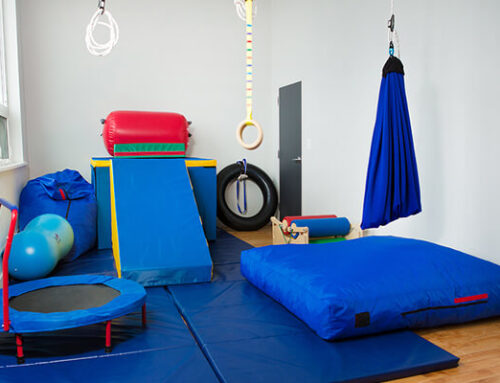
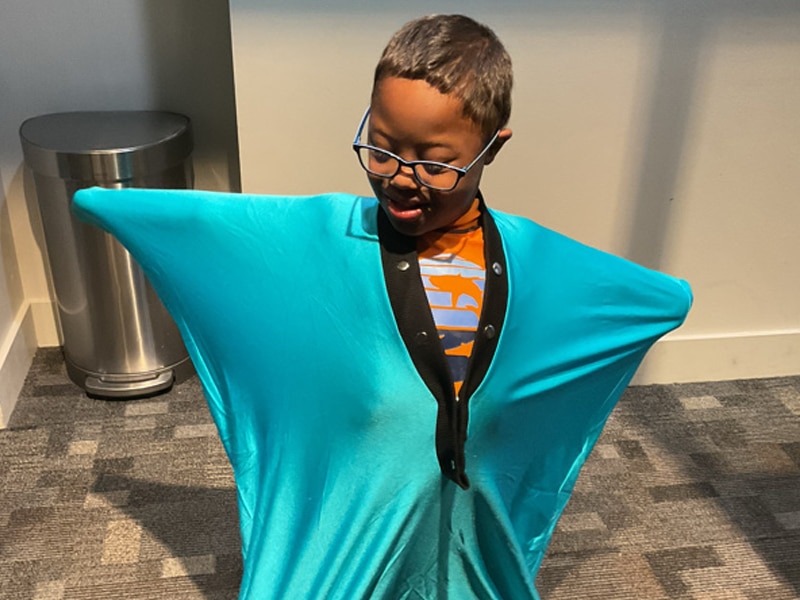
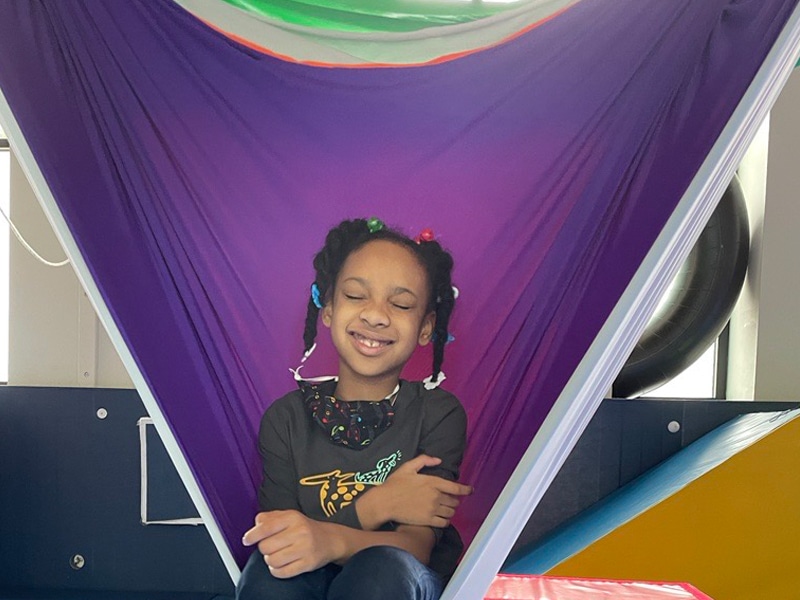
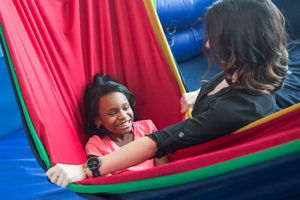
Today, if you walk into a pediatric therapy clinic, you will see Lycra everywhere. It appears in cocoon‑like swings that help children feel grounded, stretchy body socks that encourage movement and play, tunnels that turn crawling into a full‑body adventure, and compression garments that help kids stay focused and regulated.
Some therapy spaces even use room‑sized Lycra walls that children can push, climb, and lean into for deep sensory input.
You will find these tools in clinics, schools, early intervention programs, sensory‑friendly classrooms, and homes.
How Lycra Benefits Your Child
Incorporating Lycra into play-based activities offers numerous evidence-based benefits. Moving the body within this stretchy material provides natural resistance. This resistance helps elongate, activate, and strengthen the muscle groups in the arms, legs, and core.
When your child plays inside a Lycra tunnel or hammock, they must hold their body in position while the fabric moves beneath them. This dynamic environment creates opportunities to strengthen and stabilize multiple joints, including the shoulders, arms, and hands. The constant need to adapt to the instability of the fabric helps your child improve their balance, fluidity, and coordination.
Furthermore, sheets of Lycra can provide deep pressure. Deep pressure therapy is a firm, tactile sensory input that provides a calming effect on the nervous system. It helps improve body awareness, also known as proprioception.
Proprioception is the way your child senses their body in space. Improvements in strength, balance, coordination, and body awareness directly impact your child’s ability to participate in play, academics, and activities of daily living, such as dressing independently and completing simple chores.
Simple and Engaging Lycra Activities for Your Home
You don’t need a fully equipped sensory gym to support your child. By meeting your family where you are, you can use Lycra to create targeted, individualized sensory activities right in your living room or bedroom. Here are highly effective ways to use Lycra sheets and tubular Lycra at home.
The Under-Table Hammock
Sheets of Lycra can be suspended underneath a sturdy table to create a comforting hammock. By securing the corners of the fabric to the table legs using heavy-duty bungee cords, you create a suspended space that your child can climb into and lay within.
Using the fabric in this way provides steady, deep pressure. This calming input helps soothe a child who might feel overstimulated by their environment.
The hammock acts as a safe, quiet retreat that improves overall sensory integration while allowing your child to relax, read a book, or simply rest.
The Crawl-Through Tunnel
Tubular Lycra is a continuous loop of stretchy fabric that can be transformed into an engaging indoor obstacle. You can attach one end to a door frame or weigh it down with heavy cushions to create a tunnel across the floor.
Crawling through a Lycra tunnel naturally decreases excess visual stimulation while increasing tactile sensations across the entire body. This specific sensory input drastically improves body awareness. Your child can crawl forward, complete animal walks, or push a therapy ball from one end to the other. To increase the challenge and build motor planning skills, you can place soft items, such as pillows, underneath the tunnel. This provides your child with safe obstacles to navigate and climb over.
The Sensory Ball Pit Bag
You can easily transform tubular Lycra into an interactive sensory bag. Tie a secure knot at one end of the tubular fabric, and fill the inside with plastic ball pit balls, plush stuffed animals, and small textured toys.
Your child can sit on top of the filled bag to receive varied sensory input, or they can crawl completely inside the bag to search for hidden items. This activity encourages tactile exploration, fine motor manipulation, and imaginative play, all while providing the gentle, enclosing resistance of the stretchy fabric.
The Calming Bed Wrap
For children who struggle to settle down at night, tubular Lycra can be wrapped directly around a mattress to serve as a specialized bedsheet. The fabric fits snugly over the mattress and the child, providing continuous deep pressure throughout the night.
This sensation is highly calming to the central nervous system, mimicking the feeling of a firm, reassuring hug. It can help your child relax their body and transition more smoothly into sleep. Always consult with your child’s occupational therapist to ensure this specific strategy aligns with your child’s individualized nighttime routine and developmental stage.
Where to Find Lycra for Sensory Play
Setting up these activities requires the right materials, but sourcing them is straightforward.
- Local Fabric Stores: Lycra material can be purchased by the yard at many local craft and fabric stores. This allows you to feel the thickness and stretch of the material before taking it home.
- Online Retailers: Platforms like Amazon sell standard Lycra by the yard (1), Lycra by the yard (2). These are available in a wide variety of bright, engaging colors that your child will love.
- Specialty Therapy Shops: For pre-made equipment, you can purchase Lycra bed sheets, ready-made tunnels, and other sensory equipment through dedicated pediatric therapy websites such as sensorytherapyshop.com.
Every child grows differently, and the tools you use should fit their needs. Adding a few simple, evidence‑based Lycra activities to your daily routine gives your child natural ways to build strength, confidence, and sensory skills right at home.
When sensory needs go unaddressed, progress can slow during important stages. Starting now with small, supportive activities helps your child feel more regulated today while building skills for the future.
The first step is picking up a few yards of Lycra and creating a simple tunnel or hammock this week. And if you want guidance choosing activities that match your child’s goals, an experienced occupational therapist can help you build a plan that fits your family.
If you would like more personalized insights, contact us today! We’re here to support you every step of the way.
Frequently Asked Questions
Is Lycra safe for all children to use for sensory activities?
Lycra is generally safe when used as directed and supervised by an adult. However, children with specific medical conditions or those prone to restricted movement should always use Lycra equipment under the guidance of a licensed occupational therapist. Always check that your child can remove themselves from any Lycra setup independently and avoid activities that may pose a risk for entrapment.
How do I clean and care for Lycra used in sensory play?
Lycra fabric is easy to care for and can be machine washed on a gentle cycle using cold water. It’s best to air dry or use a low-heat setting in the dryer to preserve its stretch and softness. Always check product labels, especially for equipment with attachments, and avoid using harsh detergents that can wear down the fibers.
Can I use Lycra activities as part of my child’s therapy plan at home?
Yes, many occupational therapists recommend incorporating Lycra-based activities into home routines to support therapy goals. It’s a good idea to consult with your child’s therapist about which specific activities are most appropriate for your child’s age, needs, and abilities. This ensures every activity is tailored to your child’s goals and complements their ongoing therapy sessions.
Eyas Landing is a therapy clinic with a mission to provide evidence-based and family-centered therapy services for children, adolescents, and their families. The primary goal is to deliver relationship-based interventions within the most natural environments and to empower families to reach their full potential. To achieve this goal, our highly educated, compassionate staff dedicates time and expertise to create experiences that maximize therapeutic outcomes. The strength, determination, and perseverance of our clients are evident as they succeed in therapy, and ultimately in their daily lives.
Eyas Landing offers a wide range of comprehensive services including Speech Therapy, Occupational Therapy, Physical Therapy, ABA Therapy, Social Work, Family Therapy, and Neuropsych testing. Services are provided throughout the Chicagoland area via Telehealth, In-Home, and in our state of the art clinic.
Want to learn more or you have a specific question? Feel free to connect with us here!