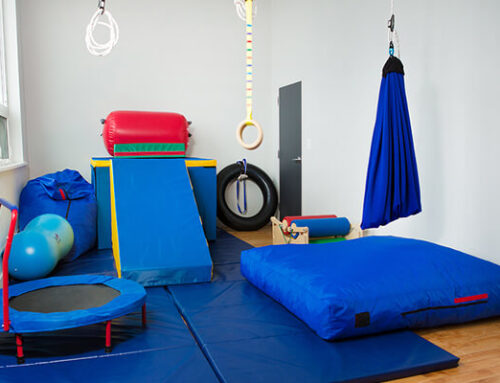
Did you know that the most powerful tool for supporting your neurodiverse child isn’t a therapy session? It’s you, the caregiver!
At the heart of Early Intervention is not the therapy session itself but the process of empowering parents, grandparents and caregivers with the knowledge and confidence to support their neurodiverse child’s development through daily interactions and routines.
In a city as diverse and dynamic as Chicago, there are services in place for caregiver coaching ensuring that every family, regardless of neighborhood, culture, or ethnic background is empowered to help their child.
For thousands of families across Chicago, Early Intervention (EI) through the Illinois Department of Human Services provides life changing support for infants and toddlers with developmental delays.
EI offers therapeutic services for children ages birth to three, helping them build foundational skills. More importantly, it changes outcomes by catching correctable issues early on.
Whether your child is navigating Autism, speech delays, torticollis, sensory differences, or developmental delays, Chicago’s Early Intervention system offers therapy, partnership, education, and most of all direction and hope for your entire family.
This article explores the history of Early Intervention, Chicago’s leadership in the field, the pioneering work of Dr. Megan Roberts and Dr. Laura Mraz, and the powerful role of caregiver coaching in shaping developmental outcomes for young children.
If you’d like more personalized insights, please contact us today. Our team at Eyas Landing is here to support you every step of the way.
A Brief History
Early Intervention in the United States grew out of the 1960s civil rights movement and the push for equitable access to education for children with disabilities. In 1986, the federal government passed Part C of the Individuals with Disabilities Education Act (IDEA), establishing EI as a nationwide program for infants and toddlers.
Chicago quickly became a national leader in Early Intervention research and practice. Institutions, as well as individuals such as the ones listed below have shaped the way therapists across the country understand early development, parent child interaction, and the power of coaching.
- Erikson Institute
- University of Illinois at Chicago (UIC)
- Northwestern University
- Rush University Medical Center
- Ann & Robert H. Lurie Children’s Hospital of Chicago
A Chicago Pioneer in Multidisciplinary Early Intervention
Among Chicago’s influential leaders is Dr. Laura Mraz (OTD, OTR/L), a nationally recognized occupational therapist, scholar, and founder of Three Birds One Mission, the umbrella organization for Eyas Landing, Blue Bird Day, and Merlin Day Academy.
Dr. Mraz has spent nearly two decades advancing a multidisciplinary, relationship based model of pediatric therapy that integrates:
- Occupational therapy
- Speech language therapy
- Physical therapy
- Applied behavior analysis (ABA)
- Feeding Therapy
- Social work and mental health supports
Dr. Laura Mraz’s clinics set a new standard for pediatric therapy in Chicago. Blue Bird Day was the first pediatric clinic in the nation to adopt a fully integrated collaborative care model, bringing therapists together literally and clinically to align goals, share data, and coordinate strategies for each child.
Therapists stopped working in silos and began collaborating.
Her multidisciplinary framework reflects the very foundation of Early Intervention: meaningful progress happens when caregivers and clinicians work together as one team.
Dr. Mraz’s leadership has helped shape Chicago’s EI landscape by emphasizing:
- Caregiver empowerment
- Natural environment learning
- Play based intervention
- Neurodiversity affirming practices
- Evidence based coaching models
Her work aligns closely with the Teach Model Coach Review framework developed at Northwestern University, and her clinics continue to train therapists in best practices for coaching families in both home based and clinic based settings.
Today, Chicago remains at the forefront of Early Intervention innovation, thanks in part to leaders like Dr. Mraz who have elevated multidisciplinary collaboration and caregiver partnership as the gold standard.
The Chicago Caregiver Advantage
In a typical week, a child may receive one hour of Early Intervention therapy. But a caregiver interacts with that child dozens of hours every day—during meals, diaper changes, playtime, bath time, and bedtime routines. When caregivers learn therapeutic strategies, they can embed them into these everyday moments, creating hundreds of opportunities for learning.
This is why caregiver coaching is the most effective approach in Early Intervention. Research consistently shows that:
- Children make faster progress when caregivers are active participants
- Skills learned in therapy generalize better to real life
- Caregivers feel more confident and empowered
- Families build stronger, more connected relationships
In a city like Chicago—where families juggle work schedules, commutes, childcare, and community life—coaching ensures that therapy fits naturally into daily routines rather than adding stress or complexity.
What Early Intervention Looks Like in Chicago
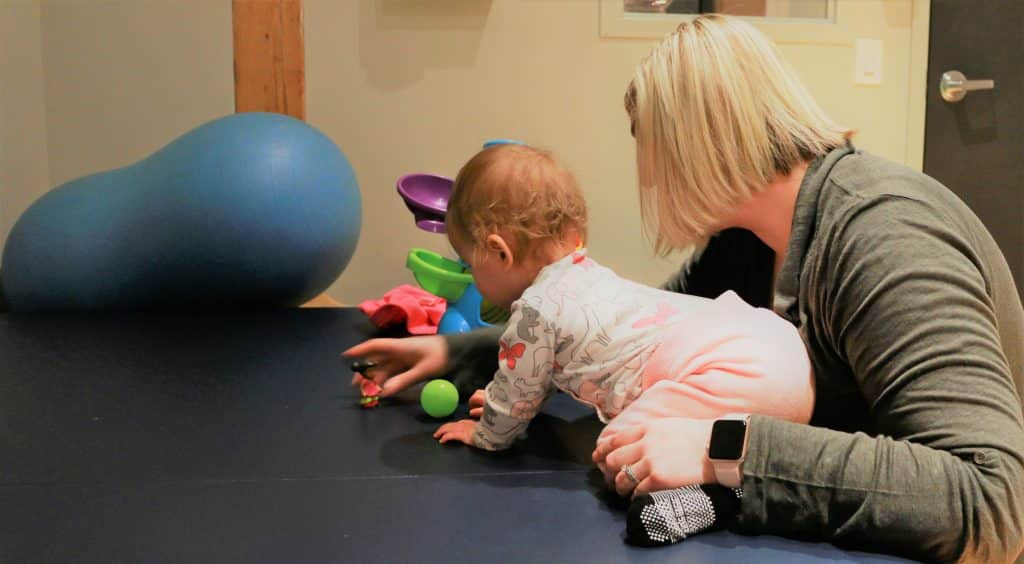
Chicago’s Early Intervention system is designed to meet families where they are—literally and figuratively. Services can take place:
- In your home
- In your child’s daycare or preschool
- In a community setting
- In a state of the art clinic
Caregivers may include parents, grandparents, foster parents, babysitters, or daycare staff—anyone who spends meaningful time with the child.
Many caregivers initially view therapy sessions as a chance to catch up on laundry, cook dinner, or take a break. But staying involved during sessions is one of the most impactful things you can do for your child.
You’re the expert on your child’s preferences, routines, and personality. When you participate, therapists can tailor strategies to your real life environment, and you can practice techniques that will make a difference all week long.
One hour of therapy works gradually. But one hour of therapy combined with caregiver coaching and reinforcement transforms development.
What to Expect
Every therapist has their own style, but most EI sessions follow a predictable rhythm. Some therapists bring a toy bag, but many prefer to use items already in your home—pots, spoons, pillows, books, blocks, laundry baskets—because these are the tools you’ll use between sessions.
The foundation of the session is the coaching model, which ensures that caregivers learn, practice, and feel confident using strategies throughout the week.
One of the most widely used frameworks is the Teach Model Coach Review technique, developed by Dr. Megan Roberts and colleagues at Northwestern University.
Teach
The therapist introduces a strategy—such as modeling language, supporting motor skills, or encouraging joint attention. They may use a handout, video, or simple verbal explanation.
Model
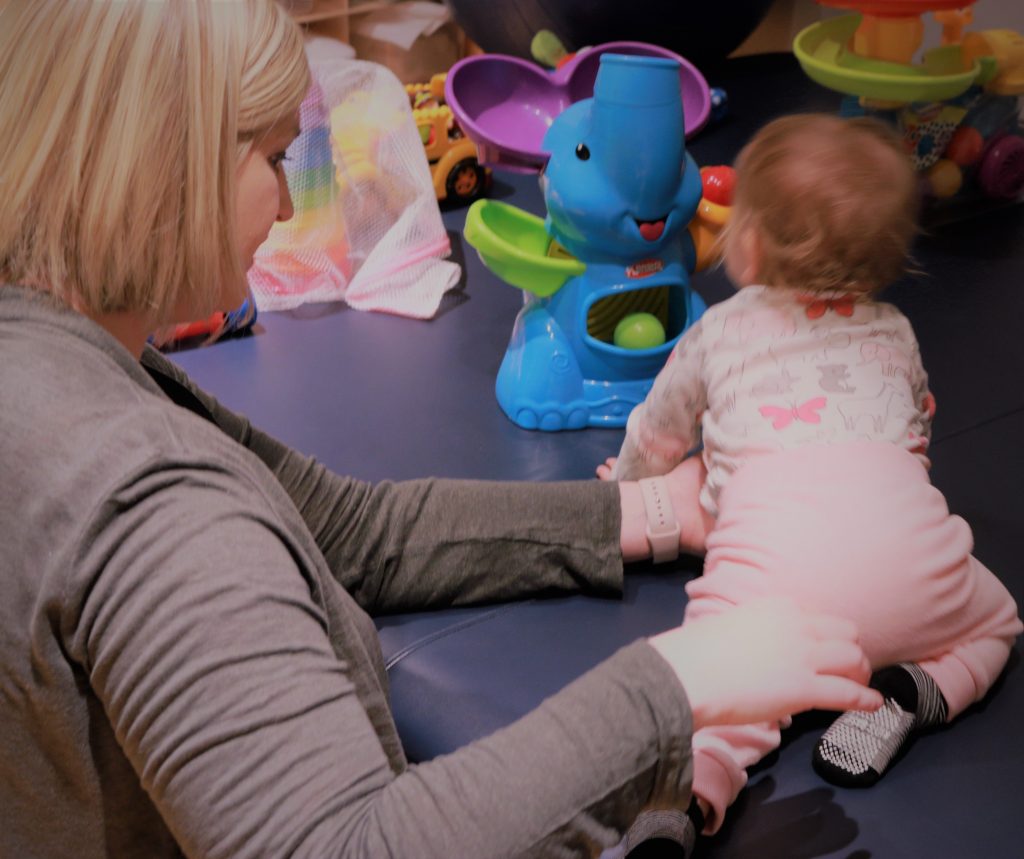
The therapist demonstrates the strategy with your child so you can see it in action.
Coach
You practice the strategy while the therapist offers guidance, feedback, and encouragement. This is where confidence grows.
Review
You and the therapist reflect on what worked, what felt challenging, and how to use the strategy during the week. Together, you plan next steps for future sessions.
At first, it may feel awkward to practice new skills with a therapist watching. But this is normal—and temporary. Over time, most caregivers report feeling empowered, supported, and proud of their growing skill set.
Chicago’s Multidisciplinary Approach: A Team Working for Your Child
At clinics like Eyas Landing—founded by Dr. Laura Mraz—children benefit from a team of Early Intervention–credentialed professionals, including:
- Occupational Therapists (OTs)
- Speech Language Pathologists (SLPs)
- Physical Therapists (PTs)
- Social Workers (LSWs)
- Counselors (LPCs)
- Behavior Therapists (BCBAs)
This team continually evaluates your child’s goals, progress, and needs. Treatment activities are tailored to your child’s unique developmental profile, whether they’re working on communication, sensory processing, motor skills, feeding, emotional regulation, or social engagement.
Dr. Mraz’s clinics were among the first in Chicago to integrate multidisciplinary collaboration into a seamless, child centered model—one that mirrors the philosophy of Early Intervention and elevates caregiver coaching as a core component of treatment.
The Science Behind the Success
Caregiver coaching is not a trend. It works and is backed by decades of research and studies show that:
- Children learn best through repetition in natural routines
- Caregivers are the most influential teachers in a child’s life
- Coaching increases caregiver confidence and reduces stress
- Children show greater gains in communication, motor skills, and social engagement
The landmark study by Roberts & Kaiser (2015) demonstrated that toddlers with language delays made significantly greater progress when caregivers were coached using structured, evidence based strategies.
In Chicago, where families come from diverse cultural, linguistic, and socioeconomic backgrounds, coaching ensures that therapy is personalized, respectful, and sustainable.
To All Chicago Caregivers
You’re the heart of your child’s Early Intervention team. Your presence, your voice, your routines, and your love shape your child’s development more than any therapy session ever could.
Every diaper change is a chance to build communication.
Every meal is an opportunity for motor practice.
Every walk through your Chicago neighborhood is a sensory adventure.
Every bedtime story strengthens connection and language.
You’re already doing so much. Early Intervention simply gives you more tools, more strategies, and more support to help your child grow.
You are not alone.
You are capable.
You are your child’s greatest teacher.
And with the right coaching, your child’s potential is limitless.
Coaching Chicago caregivers in Early Intervention is about teaching strategies, building confidence, strengthening families, and empowering caregivers to support their child’s development every single day.
With Chicago’s rich history of leadership in early childhood research, its diverse and resilient communities, and its dedicated multidisciplinary therapy teams, including the pioneering work of Dr. Laura Mraz and Dr. Megan Roberts, families have access to some of the most effective and compassionate EI services in the country.
If you have concerns about your child’s development, reach out for an Early Intervention evaluation. The earlier we start, the more we can accomplish—together.
Frequently Asked Questions About Early Intervention in Chicago
What happens to Early Intervention services when my child turns three?
This is one of the most common questions families ask, and it’s completely understandable to feel anxious about this transition. When your child approaches their third birthday, your Early Intervention team will begin planning for the next step—a process called transition planning.
In Illinois, this typically means your child may move into services through the Chicago Public Schools or your local school district under an Individualized Education Program (IEP). Your EI team, including therapists from clinics like Eyas Landing, will work closely with you to prepare for this shift, share your child’s progress and goals with the receiving team, and make sure nothing falls through the cracks.
The coaching skills you’ve built throughout Early Intervention don’t disappear at age three—they become the foundation you carry with you into every new stage of your child’s journey. If you have questions about what comes next, our team at Eyas Landing is here to walk you through your options and help your family move forward with confidence.
What does caregiver coaching actually look like during an Early Intervention session?
Many parents wonder if they’ll need special training or prior knowledge to participate—and the answer is no. Caregiver coaching is built into every session, and your therapist will guide you every step of the way. Rather than sitting on the sidelines while the therapist works with your child, you’ll be an active part of the session.
Your therapist will show you a strategy—like how to encourage your child to reach for a toy to build motor skills, or how to pause and wait during play to invite more communication. Then you’ll try it yourself, with your therapist offering gentle guidance and encouragement.
At the end of the session, you’ll talk through what worked and how to weave these strategies into your daily routines at home. Over time, these small, consistent moments—during bath time, meals, or a walk around your Chicago neighborhood—add up to meaningful, lasting progress for your child.
How do I know if my child qualifies for Early Intervention services in Chicago?
Any child under the age of three who has a developmental delay or a diagnosed condition that may affect their development may qualify for EI services in Illinois. To get started, you can self-refer or ask your pediatrician to refer your child for a free evaluation through the Illinois Early Intervention Program.
A team of specialists will assess your child’s development across areas like communication, movement, and social skills. If your child qualifies, you and your family will work with the team to build an Individualized Family Service Plan (IFSP)—a personalized roadmap that outlines your child’s goals and the services that will best support your family.
There is no cost for the evaluation, and many families find the process far less overwhelming than they expected.
This post was originally published in March 2022 and was rewritten in July 2026 to include updated strategies.

Eyas Landing is a therapy clinic with a mission to provide evidence-based and family-centered therapy services for children, adolescents, and their families. The primary goal is to deliver relationship-based interventions within the most natural environments and to empower families to reach their full potential. To achieve this goal, our highly educated, compassionate staff dedicates time and expertise to create experiences that maximize therapeutic outcomes. The strength, determination, and perseverance of our clients are evident as they succeed in therapy, and ultimately in their daily lives.
Eyas Landing offers a wide range of comprehensive services including Speech Therapy, Occupational Therapy, Physical Therapy, ABA Therapy, Social Work, Family Therapy, and Neuropsych testing. Services are provided throughout the Chicagoland area via Telehealth, In-Home, and in our state of the art clinic.
Want to learn more or you have a specific question? Feel free to connect with us here!