If you’ve ever picked up your child from school in the West Loop of Chicago and were greeted by a shirt sleeve so drenched it could qualify as a small pond, then congratulations! You’re now part of a global community known as the Wet Sleeve Club.
You know the scene: Your child bounds toward you, smiling and wearing a sleeve that looks like it survived a monsoon. The teacher gives you that sympathetic nod. Yep, it happened again. You’re standing there, holding your child’s backpack, thinking: Why is my kid chewing their clothing like it’s their favorite snack?
Before you blame yourself, take a breath. You’re not alone. This soggy ritual has baffled parents worldwide. And here’s the twist: Your child isn’t trying to ruin their wardrobe. They’re trying to regulate their nervous system.
Let’s dive into the science, the humor, and the survival strategies behind the mysterious world of soggy sleeves.
If you’d like more personalized insights, please contact us today! We’re here to support you every step of the way.
The Secret Language of Soggy Sleeves
Children don’t chew on clothing because they’re bored or rebellious. They chew because their brain is craving oral sensory input. A fancy way of saying their nervous system is looking for something to bite, suck, or gnaw on to help them feel calm, focused, or grounded.
Think of it like this: Some adults tap their foot. Some twirl their hair. Some stress-eat pretzels at 10pm.
Your child? They chew their sleeve.
It’s the same idea — just wetter.
Why Kids Chew Clothing: The Real Reasons Behind the Ritual
1. Sensory Seeking Behavior
This is the big one. Many children chew because their brain is looking for deep pressure input through the jaw. It helps them feel “just right.”
Chewing gives them:
- Comfort
- Focus
- Regulation
- A sense of grounding
It’s not random. It’s not misbehavior. It’s a sensory strategy.
2. Overwhelm and Anxiety
Too much noise, too many people, too many transitions — chewing helps kids cope.
3. Under-stimulation
Sometimes kids chew because they’re bored or need more sensory input to stay alert.
4. Focus and Concentration
Chewing can actually help children concentrate on difficult tasks. It’s like their version of a fidget spinner… but attached to their body.
When Should You Worry?
A little chewing is normal. But there are some red flags worth paying attention to.
Age Considerations
If your child is over five and still chewing clothing frequently, it may indicate an underlying sensory need that hasn’t been addressed.
Impact on Daily Life
Chewing becomes a concern when it:
- Damages teeth
- Interferes with eating
- Causes social embarrassment
- Disrupts focus
- Creates choking hazards
Sudden Changes
If chewing starts suddenly or intensifies after stress, transitions, or trauma, it may be a coping mechanism for anxiety.
The Usual Suspects: What Causes Clothing Chewing?
Medical Factors
- Iron or zinc deficiencies
- Dental issues
- GI discomfort
Sensory and Developmental Factors
- Sensory Processing Disorder
- Autism Spectrum Disorder
- ADHD
- Anxiety
In other words: Their nervous system is trying to communicate.
A Parent’s Guide to Surviving the Soggy Sleeve Era
Let’s be honest: You can’t stop your child from needing oral input. But you can stop them from destroying every shirt they own.
Here’s how.
The Great Chew Swap: Safe Alternatives to Clothing Chewing
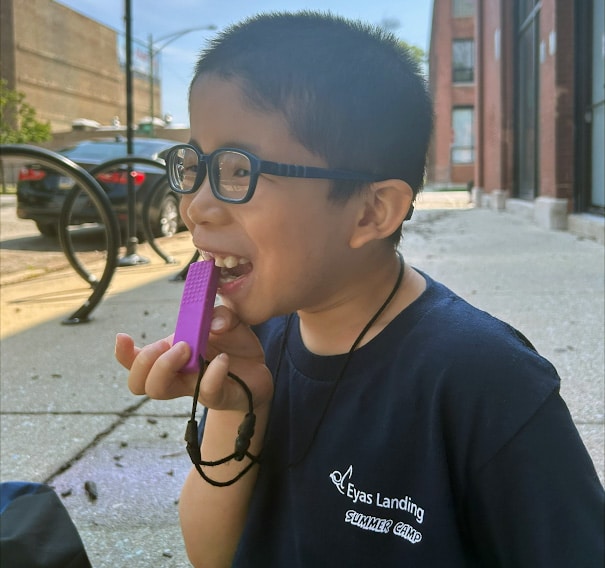
Silicone necklaces, bracelets, or pendants designed for chewing.
Bonus: They look cool and don’t require stain remover.
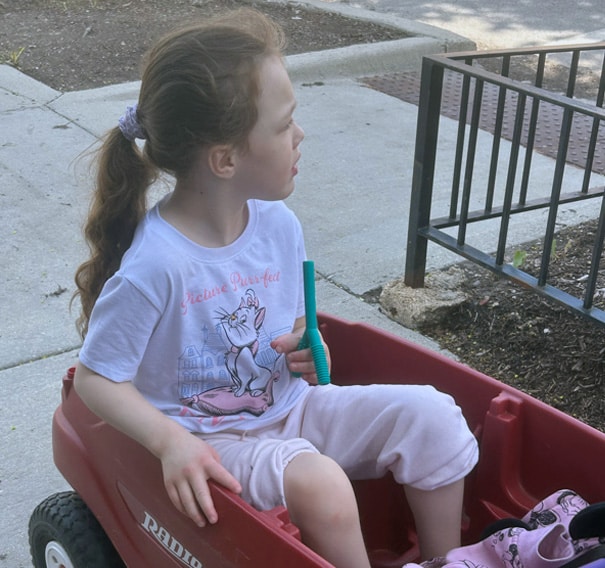
Rubber tubes, chew sticks, or fidget chews with different resistance levels.
A designated chew spot that saves the rest of the shirt from ruin.
Carrots, pretzels, licorice, sugar-free gum — nature’s chew toys.
5. Thick Liquids Through Straws
Smoothies + resistance straws = oral sensory jackpot.
Electric toothbrushes or oral massagers for quick sensory resets.
Setting Your Child Up for Success
- Build sensory breaks into the day.
- Track triggers (you’ll start seeing patterns).
- Create a sensory toolkit for home, school, and the car.
This is the sensory equivalent of keeping snacks in your purse.
How to Introduce Alternatives
- Observe first — when and why is your child chewing?
- Offer one new option at a time.
- Let your child choose — autonomy matters.
- Redirect gently — “Your shirt isn’t for chewing, but this is.”
- Celebrate wins — even small ones.
Kids respond better to encouragement than to “Stop that!”
When to Call in the Professionals
If your child is over five, chewing constantly, or struggling socially, it may be time to bring in an occupational therapist.
OTs can help with:
- Sensory processing evaluations
- Oral motor plans
- School accommodations
- Family training
A multidisciplinary team — including speech therapists and behavior analysts — can also help address oral motor skills, triggers, and behavior patterns.
A Love Letter to the Soggy Sleeve
Let’s take a moment to appreciate the humble soggy sleeve.
It has been:
- A stress ball
- A pacifier
- A fidget toy
- A coping mechanism
- A concentration aid
- A silent communicator
It has served your child well. But now it’s time to retire it — gently, respectfully, and with a replacement chew tool that won’t require stain remover.
Supporting Your Child’s Sensory Journey
Clothing chewing isn’t a problem to punish — it’s a need to understand.
Your child isn’t being defiant or destructive when they chew their sleeves. They’re using the tools available to them to regulate their sensory system.
With the right strategies, alternatives, and support, your child can learn healthier ways to meet their sensory needs… and you can finally stop Googling “how to remove drool stains from cotton.”
If you would like more personalized insights, contact us today! We’re here to support you every step of the way.
Frequently Asked Questions
Is clothing chewing harmful?
Not usually — unless your child is ingesting fabric or destroying shirts faster than you can buy them.
Will my child outgrow it?
Some do. Some don't. But with support, they can learn healthier ways to meet their sensory needs.
Can I just tell them to stop?
You can, but it won't work. This behavior is meeting a neurological need, not a behavioral whim.
What if school doesn't get it?
Advocate. Educate. Bring resources. And if needed, have your Occupational Therapist talk to the school.
This post was originally published in September 2025 and was rewritten in June 2026 to include updated strategies.
Eyas Landing is a therapy clinic with a mission to provide evidence-based and family-centered therapy services for children, adolescents, and their families. The primary goal is to deliver relationship-based interventions within the most natural environments and to empower families to reach their full potential. To achieve this goal, our highly educated, compassionate staff dedicates time and expertise to create experiences that maximize therapeutic outcomes. The strength, determination, and perseverance of our clients are evident as they succeed in therapy, and ultimately in their daily lives.
Eyas Landing offers a wide range of comprehensive services including Speech Therapy, Occupational Therapy, Physical Therapy, ABA Therapy, Social Work, Family Therapy, and Neuropsych testing. Services are provided throughout the Chicagoland area via Telehealth, In-Home, and in our state of the art clinic.
Want to learn more or you have a specific question? Feel free to connect with us here!