Neurodiverse children who struggle with speech, movement, social connection, or learning need more support than ever. Parents see it. Schools see it. Pediatric therapy is in high demand, creating a surge of opportunities for therapists ready to make a genuine impact.
The question is: where do you want to begin?
You need more than a paycheck. You need quality training, real mentorship, and a team that believes in your development. You need an organization that can provide these resources. That organization is Three Birds. One Mission. The Three Birds–Blue Bird Day, Eyas Landing, and Merlin Day Academy–each serves a unique purpose but all three share one commitment: helping children from birth through adolescence reach their fullest potential.
For new therapists, these clinics offer a unique opportunity to work in different environments. If you choose this route, you will be mentored by experienced professionals in speech, occupational, physical, and behavioral therapies, as well as social work and counseling.
You will see how your role contributes to outcomes that change lives while your career takes flight.
Integrated Care
Today more than ever before, more children are receiving diagnoses of autism, ADHD, sensory processing disorders, and developmental delays. Because of better screening, parents, pediatricians, and schools spot challenges earlier and catch learning differences sooner.
Yet awareness alone falls short. Insurance coverage varies. Wait lists are long and families drive for hours for quality services where the care rarely connects.
A child sees a speech therapist Monday, an occupational therapist Wednesday, and a behavioral specialist Friday. Each works in isolation with separate goals. Nobody coordinates the therapies. Each does its own thing.
Parents exhaust themselves juggling schedules, driving all over the place and listening to conflicting advice. Teachers have no clue what happens in therapy or how to support the same skills in class. This fragmented approach wastes time, stalls progress, and is outdated.
The future of pediatric therapy belongs to multi-disciplinary integrated, family-centered models that recognize children exist within families, schools, and communities. This is exactly the model used by Three Birds.
The results speak volumes of success. Children are achieving developmental milestones with positive family feedback. They are thriving because everyone works together. When therapists know what their colleagues target, they reinforce those skills in their own sessions. Layering the therapies. When teachers understand therapeutic goals, they weave practice into the school day. When families receive consistent strategies, they actually use them at home. The child receives consistent support throughout their day.
For new therapists, this shift is a glimpse into the future. Those who collaborate across multi disciplines, communicate clearly with families, and approach child development in a holistic manner will lead the field forward.
The Initiative
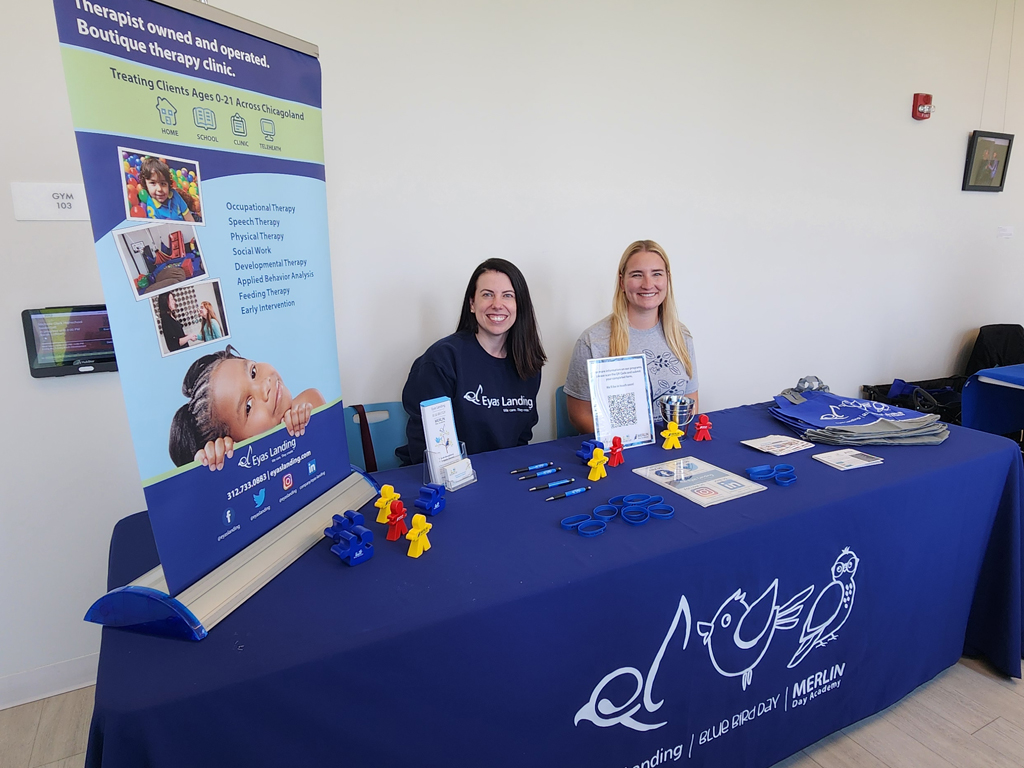
The name “Three Birds One Mission” comes from the fact that three separate organizations work together as one group under a single umbrella. They coordinate closely to provide seamless care for neurodiverse children as they grow and their needs change.
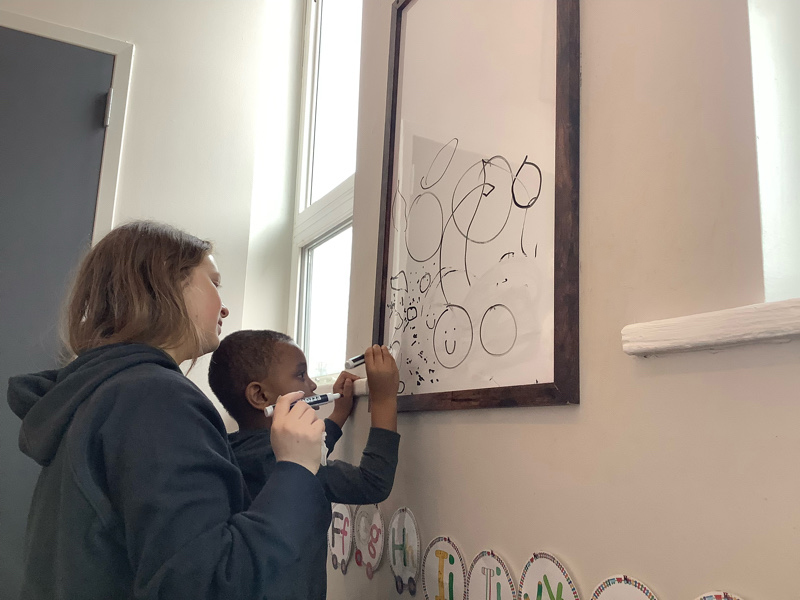
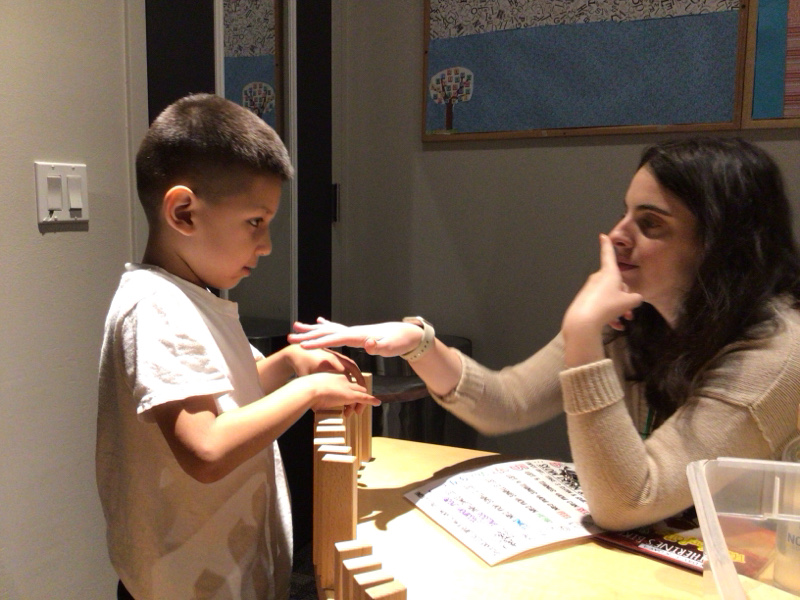
Blue Bird Day is a therapeutic preschool and kindergarten program for young children. The team uses a multidisciplinary approach bringing together speech therapists, occupational therapists, physical therapists, social workers, and board-certified behavior analysts. These professionals work side by side, often in the same rooms, observing each other and sharing ideas in real time. The child benefits immensely. This approach multiplies therapy’s impact because children practice skills throughout the day.
Eyas Landing provides outpatient therapy services for children and adolescents across a wider age range. The key difference from traditional outpatient clinics is the emphasis on individualized care plans developed in collaboration with families.
Therapists spend time getting to know each child and family, asking about daily routines, family priorities, and cultural values. They consider what matters most to parents, not just what standardized assessments reveal.
Many children transition from Blue Bird Day or Eyas Landing into Merlin Day Academy. Merlin integrates educational programming with therapeutic support for school-aged children who need more than what typical classrooms can provide. Teachers and therapists collaborate constantly.
Speech therapists help teachers adapt language in lessons. Occupational therapists consult on classroom setup and sensory supports. Behavior analysts collaborate with teachers to implement positive behavior support plans.
Students do not miss important instructions to attend therapy. They practice therapeutic skills in natural contexts throughout the day. Teachers see therapeutic strategies in action and learn how to use them independently.
A Great Starting Point
The training you will receive goes far beyond what most entry-level positions offer. Even if you trained as an occupational therapist, you would learn from speech therapists, physical therapists, social workers, and behavior analysts.
You will understand how different therapeutic approaches complement each other and recognize when another discipline might help a child more effectively. Collaboration is built into the structure.
Team meetings happen regularly. Therapists observe each other and provide feedback. Challenging cases get discussed with multiple perspectives contributing to solutions. This accelerates your learning because you benefit from collective wisdom, not just your own experience.
New therapists participate in structured mentorship programs where experienced clinicians provide regular guidance. Your mentor helps you interpret evaluations, develop appropriate goals, and refine your treatment techniques.
The organizations bring in outside experts for training workshops, support therapists attending conferences, and create internal training sessions where team members share specialized knowledge.
The hands-on experience you gain is invaluable. You work with diverse populations and see a wide range of diagnoses and presentations.
You practice difficult skills like delivering challenging news to parents, collaborating with reluctant team members, and modifying treatment when progress stalls.
Career growth opportunities exist within the system. As you gain experience, you can take on more complex cases, lead a therapy team, or mentor newer therapists. You might specialize in a particular area.
Some therapists transition into leadership roles. Others move between the three organizations, gaining experience in different settings while staying within the same mission-driven system.
You will see the real impact of your work. A nonverbal toddler speaks their first words. An anxious middle schooler makes friends. A teenager develops the executive functioning skills needed for independent living. It is extremely rewarding to witness these transformations.
Training
Orientation and onboarding lasts weeks. You do not jump into a full caseload. Instead, you observe experienced therapists, shadow team meetings, and gradually take on responsibilities. You learn organizational systems, documentation requirements, and communication protocols.
Once you begin seeing clients independently, your days include a mix of direct therapy, family communication, and collaboration. You might provide individual sessions, lead groups, or deliver therapy in classroom settings depending on which organization you work in primarily.
Family communication happens frequently. You send home updates after sessions, schedule regular meetings to review goals and progress, and teach parents specific strategies. You celebrate successes together and adjust plans when needed.
Documentation is a daily ritual, and the organizations provide templates and training to make it easy and efficient.
Growth happens gradually. In your first months, you focus on building confidence with basic skills. You learn to manage a caseload, balance productivity with quality, and establish rapport with your clients and families.
Family
Families know their children best. Their input is critical. They see behaviors in multiple contexts and conduct the majority of interventions.
Standardized assessments might identify delays in fine motor skills, but families can tell you whether those delays actually interfere with daily life.
Maybe the child cannot button their coat, making morning routines stressful. When goals address these real concerns, families invest more energy in working toward them.
Progress occurs as families grasp both the objectives and methods of therapy. They create opportunities for practice at home to reinforce emerging skills.
When therapists collaborate with families and clients about goals everyone takes ownership.
Implications
What happens at Three Birds demonstrates what pediatric therapy could look like if the field embraced integrated, collaborative models. Traditional therapy operates in silos. Different disciplines have separate professional organizations, separate conferences, and separate cultures.
Therapists enter into practice believing their approach holds the key to helping children. When services happen independently with minimal coordination, progress suffers.
Integrated models break down these silos. Therapists learn to value multiple perspectives and recognize that effective intervention requires combining insights from different disciplines.
Family-centered care challenges traditional practices where therapists function as experts who tell families what to do. Instead, therapists position themselves as partners who bring expertise about intervention strategies while families bring expertise about their child and priorities.
Some regions have begun experimenting with similar models. A few hospitals have created integrated therapy departments. Some school districts are moving toward collaborative service delivery models. But these efforts remain exceptions rather than the rule.
New therapists can drive this change by seeking positions at organizations that already embrace these values and by advocating for collaborative approaches wherever they work.
Therapists who train in integrated models carry these values throughout their careers and influence the field in countless settings. Your first position shapes your clinical skills, professional identity, and understanding of what therapy can accomplish.
Three Birds provides a foundation built on collaboration, evidence-based practice, and family partnership. You learn to collaborate with colleagues across disciplines, develop skills in family-centered care, and gain exposure to multiple settings and age groups.
Beyond professional development, you join a mission that could transform pediatric therapy. The field needs more professionals who embrace this approach.
As you consider where to launch your career, keep in mind what impact you want to have, and the model of care you want to be part of. Three Birds One Mission offers an unparalleled opportunity for growth and development.
When your career begins here you can build a solid foundation for the type of therapist you want to be in the future.
Frequently Asked Questions (FAQ)
Q: What qualifications do I need to start at Three Birds?
A: Entry-level therapists typically hold a relevant degree (such as OT, PT, SLP, SW, LPC, RBT, or BCBA) and an active license or certification in their specialty. We also have Therapeutic Assistant positions available for people who don’t yet have a degree and want to explore their options.
Q: Will I receive mentorship or training as a new therapist?
A: Yes! All new therapists participate in a structured mentorship program, ongoing professional development, and hands-on training with experienced clinicians.
Q: Which populations will I work with?
A: You’ll have the opportunity to work with children and adolescents across a range of ages and diagnoses, depending on your placement within the organization.
Q: Can I specialize or move between different locations or disciplines?
A: Absolutely. As your skills and interests evolve, you can explore new roles, settings, or specialties within Blue Bird Day, Eyas Landing, or Merlin Day Academy.
Q: How do I apply?
A: Visit the careers page on our website to view current openings and submit your application online. We look forward to hearing from you!
If you have more questions, don’t hesitate to contact our recruitment team.

Eyas Landing is a therapy clinic with a mission to provide evidence-based and family-centered therapy services for children, adolescents, and their families. The primary goal is to deliver relationship-based interventions within the most natural environments and to empower families to reach their full potential. To achieve this goal, our highly educated, compassionate staff dedicates time and expertise to create experiences that maximize therapeutic outcomes. The strength, determination, and perseverance of our clients are evident as they succeed in therapy, and ultimately in their daily lives.
Eyas Landing offers a wide range of comprehensive services including Speech Therapy, Occupational Therapy, Physical Therapy, ABA Therapy, Social Work, Family Therapy, and Neuropsych testing. Services are provided throughout the Chicagoland area via Telehealth, In-Home, and in our state of the art clinic.
Want to learn more or you have a specific question? Feel free to connect with us here!