Is Toe Walking Common in Children?
Of all the things you expected to see when your child started walking, a little tiptoe strut probably was not on the list. It can be a bit strange, like watching a tiny ballet dancer who has not yet had any lessons.
One moment they are taking their first wobbly steps, and the next, they are gliding across the living room on the balls of their feet. While it might look a little peculiar, toe walking is a common observation in early childhood development.
For many children, it is a passing phase they outgrow on their own. However, for others, it can be an indicator of underlying developmental or physical issues that need a closer look. Understanding what toe walking is, what causes it, and when to seek professional guidance is the first step for any parent navigating this unique gait pattern.
 What Exactly Is Toe Walking?
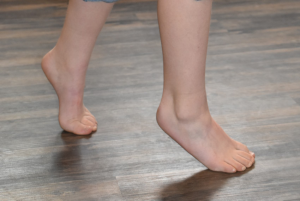
In technical terms, toe walking is a gait pattern where a child walks on their toes or the balls of their feet without their heels making contact with the ground. A typical walking pattern, or gait cycle, involves a heel-to-toe movement. The heel strikes the ground first, the foot rolls forward, and then the person pushes off from their toes to take the next step. In toe walking, the first part of this sequence is skipped entirely. The child initiates their step from the front of the foot, resulting in a toe-to-toe pattern.
This is not something to immediately panic about. Many toddlers experiment with different ways of moving as they learn to control their bodies. They might toe walk for a few weeks or months and then transition to a standard heel-to-toe gait without any intervention. This period of exploration is a normal part of motor development. The concern arises when toe walking persists beyond the age of two or three, or if it is the only way the child walks. When it becomes a consistent pattern, it is time to consider the potential causes.
 Distinguishing Between Different Types of Toe Walking
Not all toe walking is the same. The most common form is known as Idiopathic Toe Walking (ITW). The word “idiopathic” is a medical term that simply means the cause is unknown. Children with ITW are often able to stand flat footed and can walk with a normal heel-to-toe pattern when asked to do so. They just prefer not to. Their toe walking might be intermittent, appearing more frequently when they are excited, tired, or walking on certain surfaces.
However, toe walking can also be a symptom of an underlying medical condition. It is important for healthcare professionals to rule out these other possibilities. These conditions can include:
- Neurological Disorders: Conditions like Cerebral Palsy can affect muscle tone, control, and coordination, leading to an abnormal gait. In these cases, toe walking is often accompanied by other signs, such as stiff muscles or delayed motor milestones.
- Muscular Disorders: Certain forms of Muscular Dystrophy, such as Duchenne Muscular Dystrophy, cause progressive muscle weakness. As the calf muscles weaken and shorten, it can pull the heel up and force a child onto their toes.
- Tethered Spinal Cord Syndrome: This is a rare condition where the spinal cord is abnormally attached to the tissues around it, restricting its movement. This can cause a variety of neurological issues, including toe walking.
- Short Achilles Tendon: The Achilles tendon connects the calf muscles to the heel bone. If this tendon is congenitally short or becomes tight over time, it can physically prevent the heel from touching the ground, making toe walking a necessity rather than a choice.
Because the potential causes are so varied, a thorough evaluation by a medical professional is crucial to determine why a child is toe walking.
The Connection to Developmental and Sensory Processing Disorders
Beyond the physical causes, there is a well established link between persistent toe walking and certain developmental conditions, particularly Autism Spectrum Disorder (ASD) and sensory processing challenges. We understand you are seeking the best ways to support your child’s unique journey, and exploring this connection can provide valuable insights.
For some children, toe walking is related to how their bodies process sensory information. Our senses give us constant feedback about our environment and our body’s position within it. Some children may be hyposensitive, meaning they need more sensory input to feel grounded and aware of their bodies. Walking on the toes increases the force of impact with each step because the ground reaction force is concentrated on a smaller area, the balls of the feet. This intensified feedback can be organizing and calming for a child who is sensory seeking.
Conversely, a child might be hypersensitive, meaning they are easily overwhelmed by sensory input. They may not like the feeling of certain textures on their feet, such as cold tile, rough carpet, or even blades of grass. Rising up on their toes minimizes the surface area of the foot that comes into contact with the floor, reducing the amount of sensory information they have to process. It becomes a strategy to avoid unpleasant sensations. Parents consistently tell us they notice this pattern more when their child is barefoot on different surfaces. For these children, toe walking is an adaptive behavior that helps them regulate their sensory experience.
Understanding this sensory component is a key part of our empathy driven care. We see it not as a “bad habit,” but as a form of communication. Your child’s gait is telling a story about what their body needs.
Why Persistent Toe Walking Can Be a Problem
If a child continues to toe walk for an extended period, it can lead to secondary physical issues. The human body is an interconnected system, and an abnormal gait pattern can have a domino effect.
One of the primary concerns is the development of muscle contractures. When a child constantly walks on their toes, the calf muscles (the gastrocnemius and soleus) remain in a shortened position. Over time, these muscles and the connecting Achilles tendon can lose their flexibility and become permanently tight. This can make it physically impossible for the heel to reach the floor, even when the child is standing still. A tight Achilles tendon can lead to other problems, including pain in the feet and ankles, poor balance, and an increased risk of injury.
Beyond the calf muscles, toe walking can affect the development of other muscles and bones in the feet, legs, and even the hips and back. It alters the body’s alignment and can lead to:
- Poor Balance: Walking on a smaller base of support makes a child less stable and more prone to tripping and falling.
- Weakened Muscles: While the calf muscles become tight, other muscles in the front of the shin that are responsible for lifting the foot (dorsiflexion) can become weak from underuse.
- Foot Problems: Over time, the altered pressure distribution can contribute to foot deformities or pain.
- Difficulty with Activities: As a child gets older, persistent toe walking can make it difficult to participate in sports or other physical activities that require a flat foot, such as squatting, jumping, or wearing certain types of shoes like ice skates or ski boots.
Your child’s unique journey deserves support every step of the way, and addressing these potential long term effects early is a cornerstone of effective care.
What to Do If Your Child Is Toe Walking
If you have noticed your child consistently walking on their toes, especially after the age of two, the first step is to consult with their pediatrician. The doctor can perform an initial physical examination and discuss your child’s developmental history to help determine if a referral to a specialist is needed.
In many cases, that specialist will be a Physical Therapist. Physical Therapists are experts in movement and the musculoskeletal system. They have the specialized knowledge to evaluate a child’s gait, muscle strength, flexibility, and overall motor skills. At Eyas Landing, our physical therapy team partners with your family to understand the complete picture. An evaluation will typically involve:
- Observing the Child’s Gait: The therapist will watch your child walk, run, and move in different ways to assess the consistency and nature of the toe walking.
- Assessing Range of Motion: The therapist will gently move the child’s feet and ankles to check for any tightness in the Achilles tendon or calf muscles.
- Testing Muscle Strength: The evaluation will include checking the strength of various muscle groups in the legs and feet.
- Evaluating Balance and Coordination: The therapist will use fun activities to see how well your child can balance and coordinate their movements.
- Discussing Developmental and Sensory History: A crucial part of the process is talking with you. We understand your concerns are completely valid, and your insights into your child’s behavior and preferences are invaluable.
Based on this comprehensive evaluation, the physical therapist can determine the likely cause of the toe walking and develop an individualized treatment plan tailored for your child’s success. The goal is not just to stop the toe walking but to address the underlying reasons for it, whether they are physical, sensory, or habitual.
Therapeutic Interventions and Activities for Toe Walking
Treatment for toe walking is often multi-faceted and focuses on improving flexibility, strengthening key muscles, enhancing balance, and providing appropriate sensory input. Our shared goal is to build confidence, one milestone at a time. Here are some of the strategies and activities a physical therapist might use during sessions and recommend for home practice.
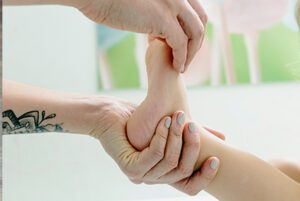
Stretching for Flexibility
If tightness in the calf muscles is a contributing factor, gentle stretching is essential. It is important that these stretches are performed correctly to be effective and avoid injury.
- Gastrocnemius Stretch: This stretch targets the larger calf muscle. With your child lying on their back or sitting, you can gently hold their foot and apply light pressure to flex it upward, bringing the toes toward the shin. You should stop when you feel a gentle resistance and hold the stretch for 15 to 30 seconds.
- Hamstring Stretch: Tight hamstrings can also contribute to an altered gait. With your child lying on their back, you can gently lift one leg, keeping the knee straight, until you feel a light stretch in the back of the thigh.
A physical therapist can demonstrate the proper techniques and ensure you feel comfortable and confident performing these stretches at home.
Strengthening for Muscle Balance
Building strength in the muscles that oppose the tight calf muscles is just as important as stretching.
- Penguin Walks: This fun activity encourages walking on the heels with the toes lifted off the ground. You can make it a game by having races across the room.
- Picking Up Objects with Toes: Have your child sit in a chair and use their toes to pick up small items like pom poms or marbles and place them in a bucket. This is a wonderful way to strengthen the small, intrinsic muscles of the feet. For younger children, you can use larger, safer items like soft foam shapes.
- Crab Walks: This classic childhood activity is a fantastic full body exercise. By having your child move forward and backward on their hands and feet with their bottom off the floor, they engage their core, arms, and legs in a new way.
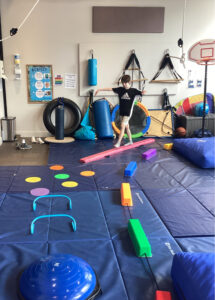 Improving Balance and Body Awareness
Activities that challenge a child’s balance encourage them to use a wider, more stable base of support, which means keeping their feet flat.
- Standing on Unstable Surfaces: Having a child stand on a wobble board, dyna disc, or even a firm pillow requires them to constantly make small adjustments with their feet and ankles to maintain balance. You can make this more engaging by playing catch or singing songs while they balance.
- Balance Beam Walks: Walking on a low balance beam or even a line of tape on the floor encourages a more deliberate, heel-to-toe pattern.
- Obstacle Courses: Creating a fun obstacle course that involves squatting to pick things up, stepping over objects, and walking on different textures can be a playful way to promote flat footed standing and walking.
Sensory Strategies for Toe Walking
If sensory processing is a factor, interventions will be tailored to your child’s specific needs.
- For the Sensory Seeker: Activities that provide strong input, like stomping like a dinosaur, jumping on a mini trampoline, or receiving deep pressure massage on the feet and legs, can help satisfy their need for input and reduce the drive to toe walk.
- For the Sensory Avoider: Gradual exposure to different textures can help desensitize the feet. You can create a sensory path with squares of different materials like soft carpet, bumpy mats, cool tile, and smooth vinyl for the child to walk across. Using “messy play” activities like playing with sand, water beads, or shaving cream can also help, letting them explore with their feet in a fun, low pressure setting.
Other Treatment Options
For more persistent or severe cases of toe walking, a physical therapist may recommend additional interventions.
- Serial Casting: This involves applying a series of casts to the lower leg and foot, each one stretching the calf muscles a little more than the last. The casts are changed every one to two weeks over a period of several weeks to gradually increase ankle flexibility.
- Ankle Foot Orthoses (AFOs): These are custom made braces that are worn during the day to hold the foot in a neutral position and prevent toe walking. They provide a physical block that encourages a heel-to-toe gait pattern.
- Kinesiology Taping: A therapist might use special elastic tape applied to the leg in a specific pattern to either facilitate or inhibit certain muscle groups, providing sensory cues to encourage a flatter foot position.
- Surgical Intervention: In rare cases where conservative treatments have not been successful and a severe contracture has developed, surgery to lengthen the Achilles tendon may be considered. This is typically seen as a last resort.
Your next step is to partner with a team that sees the whole child, not just the diagnosis. At Eyas Landing, we believe in comprehensive care under one roof. Our physical therapists collaborate closely with occupational therapists, speech therapists, and behavior analysts to ensure every aspect of your child’s development is supported. This multi-disciplinary approach allows us to address the physical, sensory, and behavioral components of toe walking in a holistic way.
Transforming potential into progress begins with understanding. While toe walking can be a complex issue, it is one that can be successfully managed with the right support and intervention. By meeting your family where you are, we can create an individualized plan that builds on your child’s unique strengths and helps them move forward with confidence, one flat footed step at a time.
 How Physical Therapy Helps Children Who Toe Walk
Physical therapy is a cornerstone of effective treatment for persistent toe walking. At Eyas Landing, our physical therapists blend clinical skill with a playful, family-centered approach, making sessions feel safe and motivating for your child. Here’s how physical therapy can make a real difference:
1. Individualized Assessment and Goal Setting
Every child is unique, so we begin by truly listening to your concerns and observing your child’s gait, flexibility, strength, and sensory preferences. Together, we set meaningful goals—like walking barefoot across the kitchen or participating fully in gym class.
2. Stretching and Flexibility Exercises
Many children who toe walk have tightness in their calf muscles or Achilles tendon. Physical therapists guide families through safe stretching routines, demonstrating:
- Gastrocnemius and soleus (calf) stretches to increase ankle movement
- Hamstring stretches to support balanced leg mechanics
Therapists model these stretches, give hands-on adjustments if needed, and design home programs with clear instructions.
3. Strength and Balance Training
Toe walking often leads to weaker muscles in the front of the ankle and disrupted balance. Physical therapy sessions use games and movement challenges to help your child:
- Strengthen foot and ankle muscles with activities like “penguin walks,” heel walking, and picking up objects with toes
- Practice standing and moving on uneven surfaces (using wobble boards or balance discs)
- Develop whole-body stability through obstacle courses, crab walks, ball tosses, and dynamic balancing games
4. Sensory Integration and Environmental Adjustments
If your child’s toe walking has a sensory basis, therapists introduce gradual exposure to different textures and surfaces in a fun, supportive environment. They’ll suggest ways for families to create sensory “paths” at home and offer strategies for both sensory seekers and avoiders, like stomping games or foot massages.
5. Gait Retraining and Manual Cueing
Physical therapists use gentle, hands-on techniques and verbal cues to teach your child a “heel-to-toe” gait. This might involve guided practice walking on tape lines, balance beams, or even navigating creative obstacle courses that reward each flat-footed step.
6. Orthotic Recommendations and Progress Tracking
For some children, the therapist may recommend temporary use of orthotics (like shoe inserts or ankle-foot orthoses) to support the ankle and encourage proper gait. Regular progress checks ensure interventions are promoting skill gains and comfort for your child.
7. Family Support and Education
Parent involvement is vital. Your therapist will coach you on how to encourage healthy walking at home, answer your questions, and adjust the plan as your child develops. We believe real progress happens when families feel empowered by clear information and collaborative support.
Physical therapy does not offer overnight fixes, but with patience, consistent practice, and expert guidance, most families see encouraging changes. Children typically become more stable, confident, and comfortable in their movements. Engaging, playful therapy helps kids make real-world skills stick—so those tiptoes can give way to grounded, joyful steps wherever life takes them.
“Eyas” is defined as a young hawk in the developmental stage of learning to fly. At Eyas Landing, it’s not only
about the flight, but also the landing. “As our clients succeed in therapy, they succeed in every aspect of their daily life.”- Dr. Laura Mraz, OTD, OTR/L Founder of Eyas Landing since 2007
Three Birds. One Mission.
Eyas Landing is just one part of your child’s journey! Our sister companies, Blue Bird Day and Merlin Day Academy, work together to support your child as they grow. Blue Bird Day, our therapeutic preschool and kindergarten program, is an intensive rotational therapeutic program designed to provide children ages 2-7 with the tools they need to succeed in a classroom environment. Merlin Day Academy— accredited by the Illinois State Board of Education—provides special education and multi-disciplinary therapy for children ages 6-14 with neuro-diverse learning needs.

Eyas Landing is a therapy clinic with a mission to provide evidence-based and family-centered therapy services for children, adolescents, and their families. The primary goal is to deliver relationship-based interventions within the most natural environments and to empower families to reach their full potential. To achieve this goal, our highly educated, compassionate staff dedicates time and expertise to create experiences that maximize therapeutic outcomes. The strength, determination, and perseverance of our clients are evident as they succeed in therapy, and ultimately in their daily lives.
Eyas Landing offers a wide range of comprehensive services including Speech Therapy, Occupational Therapy, Physical Therapy, ABA Therapy, Social Work, Family Therapy, and Neuropsych testing. Services are provided throughout the Chicagoland area via Telehealth, In-Home, and in our state of the art clinic.
Want to learn more or you have a specific question? Feel free to connect with us here!