Gross Motor Milestones: What They Mean for Your Child
If you ever watched a baby try to eat their own toes and thought, “That kid is a natural-born yogi,” you are not wrong. Kids do all sorts of wild things as they grow, and those moves are part of hitting gross motor milestones. These milestones are not just boxes to check—they are a sign your child is learning new ways to move, play, and get to know their world.
Tracking your child’s progress sometimes feels like reading tea leaves. One week your baby barely lifts their head, the next they are rolling across the living room floor when you blink. Most kids reach these milestones within a certain range, but every child has their own style and tempo. If your child seems a little late to the party, that does not mean there is a problem, but sometimes it can be a cue to talk with someone who knows their stuff.
A pediatric physical therapist is that someone. Think of them as a coach, but for crawling, rolling, and sitting up—PhD-level experts who turn wobbles into wins. These therapists can spot what is going on, give you a plan, and help your child stretch, play, and move with confidence. If something more is needed, they know other doctors who can help.
Let us take a look at some of the big gross motor milestones from birth through age three, and what you can do to help your child along the way.

The First Year: Growing a Little Mover
Babies start life as floppy bundles, but within a year many are zooming around the house faster than you can hide your coffee. Every bit of progress is like unlocking a new level in a video game—just with less screen time and more Cheerios on the floor.
1–3 Months: Little Movements, Big Steps
In the first few months, things are simple. Your baby looks like they are working out at the tiniest gym: legs kicking, arms waving, hands and feet moving toward their middle like they are meeting for a secret handshake. These tiny workouts prep your child for rolling, crawling, and reaching for toys (and anything else within six feet).
- Kicking while on their back is a baby’s way of doing leg lifts at the gym. This gets muscles ready for moving across the floor.
- Lifting arms up off the ground during tummy time is not just adorable—it is how babies practice for pushups later. Strong neck and shoulders mean fewer head flops and smoother feeding.
- Bringing hands or feet to the middle helps babies coordinate the left and right sides of their body. If you see your child attempt to grab their own feet, you are on track.
If these moves are not happening—if you do not see much kicking or your baby has trouble lifting their head—building basic muscle strength may take longer. Low head control makes looking around (and eating) harder. Babies who do not bring their hands together or to their feet are missing out on learning how to use both sides of the body together, which is important for everything from clapping to tying shoes down the road.
How to help: Tummy time is not just doctor’s orders. Lie down on the floor with your baby and make funny faces. Keep it short and sweet, several times a day. Use colorful toys just out of reach or gently stretch their feet toward their hands. Playtime means muscle time.

4–6 Months: Ready, Set, Roll
By now, babies get a bit more control over their neck and trunk. Holding their head up is less like a bobblehead doll and more like a practiced game of peek-a-boo.
- Head stays steady when you carry them. This is like finally mastering holding a bowling ball without dropping it.
- Pushing up on elbows during tummy time looks like a mini pushup contest. You might spot your baby arch their back a bit and look around like a meerkat.
- Rolling from tummy to back—sometimes on purpose, sometimes by accident. It is the first way most babies get mobile.
- Grabbing their legs or feet while lying down. Babies love to practice “happy baby pose.”
- Standing with support (no stiff knees). Holding your baby upright lets them bounce a little. They should not lock their knees like toy soldiers.
If rolling and sitting are not on the menu, your baby is missing out on some great views of their world. This can delay playing and exploring, and it may slow down sensory skills too.
How to help: Help your baby roll by gently guiding their leg across their body or use a favorite toy to lead their gaze and reach. Arrange toys around them for tummy time stretching—think of it as baby yoga, but with more giggles. Use cushions when working on sitting so tumbles are soft landings.
7–9 Months: Look Who’s Sitting Up
Now your baby is getting in and out of sitting without your help. Rolling both ways, pivoting on their tummy, sitting up straight—these are signs their core is working just fine. If your child is not sitting alone or moving much, they will need you to do a lot more of the positioning for play. This can limit the fun and ways they figure out their world.
How to help: Build a simple obstacle course out of rolled-up towels or couch cushions. Let your baby figure out how to go over or around them. Teach them to get from side-lying to sitting instead of placing them upright every time—you want your child to learn the moves, not just enjoy the views. Mirrors on the floor make for fun faces and a good motivation to pivot.
10–12 Months: Cruising and Crawling
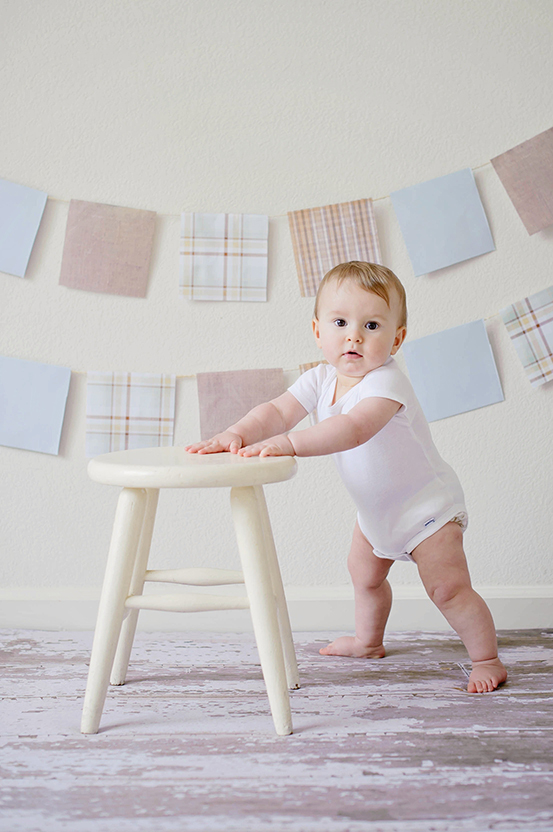
By now, your child might be crawling, pulling up to stand, and moving along the furniture like a little cruise ship passenger. Getting in and out of sitting should be a smooth move, not a clumsy fall. Crawling with opposite arms and legs (right hand with left knee, and vice versa) is best for coordination and practicing the cross-brain communication that makes later learning easier.
If crawling or standing are lagging, your child can have trouble catching up with other toddlers or miss out on muscle building. This can make playtime at daycare or with siblings frustrating.
How to help: Put favorite toys up on the couch to inspire some climbing. Create safe spaces for “cruising” by moving the furniture into lines. Offer push toys that move slowly and cannot run away—think of a weighted shopping cart but for toddlers.
The Toddler Times: Chaos, Climbing, and Coordination
When a child starts walking, everything changes. Gone are the days of setting them down and expecting them to stay put at story time. Now you are chasing after someone who is part explorer, part athlete.
Age 2: All About Action
Toddlers love to test themselves. They try out running, walking backward, going up stairs, kicking balls—sometimes all before breakfast.
- Running takes practice. First runs look more like a fast walk with a high chance of crash landings. Balance improves with time.
- Walking backward is tricky. Imagine moving furniture without looking; that is what your toddler is trying to do.
- Jumping forward needs bending and landing together. The first attempts may look more like enthusiastic calf raises.
- Stairs are a big step. Some toddlers climb upright, others go down on their bottoms. Both are okay.
- Kicking or catching a ball (arms out to guard it) requires patience. Letting go of the couch to kick, and watching the ball, is no small feat for a two-year-old.
Kids who are not trying these moves often find playing with others tough. They may hang back at the playground, sit out ball games, or act shy—not because they will not, but because their body is not ready yet.
How to help: Blow bubbles and let your child run and pop them. Walk like animals—crawl like a bear, hop like a frog, waddle like a duck. Place a soft ball at their feet and watch them try to kick it (and sometimes miss). Use stairs together, cheering each step.
Age 3: Balancing and Big-Kid Moves
Preschoolers want to keep up with older siblings. You might see your child stand on one foot for a second or two—birds and flamingos would be impressed. Climbing ladders or jungle gyms is fun, even if you need an extra cup of coffee to keep up.
- Imitate standing on one foot or swinging arms together. Think of follow-the-leader games or copycat dance moves.
- Climbing play equipment builds coordination and confidence.
- Pedal a tricycle shows they can alternate their legs and steer.
- Stairs can be a test. Using alternating feet (one per step) shows balance is improving.
- Jumping is now more powerful. Most kids can cover more distance and land solidly by three.
- Walking on tiptoes asks their calves to show off some strength. It feels silly but looks impressive.
- Catching balls with their body blocks instead of hands count, too.
If your child hesitates to join in or struggles with these moves, playgrounds and birthday parties can feel overwhelming. This can chip away at their confidence and leave them watching rather than joining the fun.
How to help: Find a curb or a tape line in the driveway and play balance beam. Make obstacle courses with couch cushions and pillows. Pick music and have silly dance parties; jump, stretch, march, and spin together. Try simple games like “Red Light, Green Light” to practice starting and stopping.

Why Early Help Matters
Sometimes certain moves come late, and that can keep a child from joining the action, building skills, or feeling good about movement. The earlier you get extra support, the easier it is for your child’s brain and body to pick up new skills. Quick action can smooth things out and get your child back in step with their peers.
Eyas Landing can help you sort through what is typical and what needs some extra practice. Our therapists look at your child’s strengths, teach play-based strategies, and work alongside you so your child builds confidence one step at a time. If you are ever unsure, reach out for a screening. There is zero harm in checking in, and a little help now can mean more fun and less frustration down the road.
Use this as a basic checklist, not a substitute for a full evaluation. If you have concerns about your child’s movement or play, call Eyas Landing. We are here to talk, help, and cheer your child on—every hop, step, and jump of the way.
“Eyas” is defined as a young hawk in the developmental stage of learning to fly. At Eyas Landing, it’s not only
about the flight, but also the landing. “As our clients succeed in therapy, they succeed in every aspect of their daily life.”- Dr. Laura Mraz, OTD, OTR/L Founder of Eyas Landing since 2007
Three Birds. One Mission.
Eyas Landing is just one part of your child’s journey! Our sister companies, Blue Bird Day and Merlin Day Academy, work together to support your child as they grow. Blue Bird Day, our therapeutic preschool and kindergarten program, is an intensive rotational therapeutic program designed to provide children ages 2-7 with the tools they need to succeed in a classroom environment. Merlin Day Academy— accredited by the Illinois State Board of Education—provides special education and multi-disciplinary therapy for children ages 6-14 with neuro-diverse learning needs.

Eyas Landing is a therapy clinic with a mission to provide evidence-based and family-centered therapy services for children, adolescents, and their families. The primary goal is to deliver relationship-based interventions within the most natural environments and to empower families to reach their full potential. To achieve this goal, our highly educated, compassionate staff dedicates time and expertise to create experiences that maximize therapeutic outcomes. The strength, determination, and perseverance of our clients are evident as they succeed in therapy, and ultimately in their daily lives.
Eyas Landing offers a wide range of comprehensive services including Speech Therapy, Occupational Therapy, Physical Therapy, ABA Therapy, Social Work, Family Therapy, and Neuropsych testing. Services are provided throughout the Chicagoland area via Telehealth, In-Home, and in our state of the art clinic.
Want to learn more or you have a specific question? Feel free to connect with us here!