When a child is first diagnosed with autism, parents often find themselves navigating a maze of information, opinions, and treatment options. We understand how overwhelming this can feel. It can be difficult to sort through what’s evidence-based, what’s developmentally appropriate, and what will truly support your child’s unique journey.
At Eyas Landing in Chicago, we believe families want therapy that is not only effective but also respectful, joyful, and aligned with how children naturally learn.
That’s why Naturalistic Developmental Behavioral Interventions—known as NDBIs—are at the heart of our approach.
These interventions blend the best of developmental science with the proven strategies of behavioral learning, all delivered through play, connection, and everyday routines. For many families, NDBIs feel like a breath of fresh air: child-led, affirming, and grounded in strong research.
This article will walk you through what NDBIs are, why they matter, how they work, and how Eyas Landing integrates them across our multidisciplinary therapy model. Our goal is to give you clarity, confidence, and a sense of hope as you explore the best path forward for your child.
What Are NDBIs?
Naturalistic Developmental Behavioral Interventions are a family of evidence-based therapies designed specifically for young children with autism. They combine two powerful approaches:
- Developmental principles: This means understanding how children naturally grow, communicate, and build relationships.
- Behavioral learning strategies: This involves using structured teaching methods to help children learn new skills, breaking complex skills into small, achievable steps.
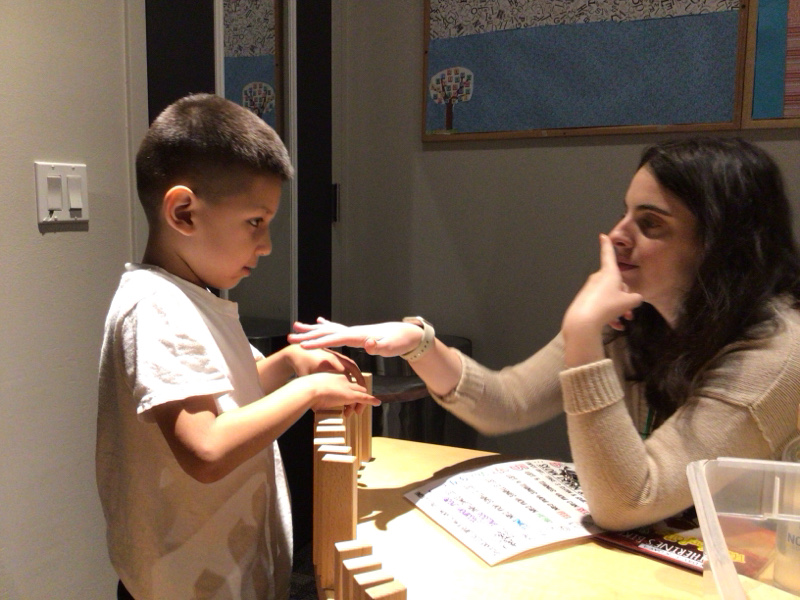
Unlike some traditional programs, NDBIs take place in natural environments—during play, daily routines, and child-led interactions. Instead of sitting at a table completing tasks, children learn through activities they already enjoy. Therapists follow the child’s lead, build on their interests, and embed teaching moments into joyful, meaningful experiences.
NDBIs are widely considered gold-standard interventions for young children with autism because they are:
- Evidence-based
- Developmentally appropriate
- Relationship-centered
- Flexible and individualized
- Effective across communication, social, play, and adaptive skills
Parents consistently tell us that NDBIs feel more intuitive and more aligned with their child’s personality and strengths.
Core Principles
While each NDBI model has its own structure, they all share a set of core principles that guide how therapy is delivered. These principles ensure that learning is natural, motivating, and developmentally grounded.
1. Child-Led Engagement
Therapists follow the child’s interests—whether that’s bubbles, cars, pretend cooking, or building with blocks. When a child is engaged, their brain is primed for learning. This intrinsic motivation is a powerful driver of progress.
2. Learning in Natural Environments
Skills are taught during everyday activities: playtime, snack time, dressing, transitions, or outdoor exploration. This helps children generalize skills across different settings and with different people, so what they learn in therapy transfers to real life.
3. Developmental Sequencing
Therapists teach skills in the order children naturally acquire them. For example, before expecting a child to use words, we build foundational skills like joint attention (sharing an experience with someone), using gestures, and shared engagement.
4. Shared Control Between Child and Therapist
Instead of adult-directed instruction, NDBIs emphasize collaboration. The child leads the play, and the therapist gently shapes learning opportunities within that play. This partnership builds confidence and cooperation.
5. Positive, Responsive Interactions
Therapists model language, expand on the child’s communication, and reinforce attempts in warm, natural ways. The relationship—not the task—is the foundation for growth.
These principles create a therapeutic environment that feels safe, joyful, and empowering for both children and families.
Evidence-Based NDBI Models Used at Eyas Landing
Eyas Landing integrates several NDBI frameworks, allowing our specialists to tailor therapy to each child’s developmental profile, sensory needs, and communication style. Some of the most widely used models include:
- Early Start Denver Model (ESDM): A comprehensive, play-based intervention for toddlers and preschoolers that focuses on social engagement, communication, and cognitive development.
- Pivotal Response Treatment (PRT): Targets “pivotal” areas such as motivation, self-initiation, and responsiveness to multiple cues. PRT is known for its natural reinforcement strategies.
- JASPER: A model designed to build joint attention, symbolic play, engagement, and emotional regulation—skills that are foundational for communication.
- Enhanced Milieu Teaching (EMT): A language-focused NDBI that uses modeling, expansions, and natural prompts to support expressive communication.
- Project ImPACT: A parent-coaching model that helps caregivers use NDBI strategies during everyday routines.
By drawing from multiple evidence-based models, Eyas Landing ensures that each child receives a highly individualized, developmentally aligned treatment plan. We partner with your family to find the approach that best fits your child’s unique journey.
How NDBIs Support Key Developmental Domains
NDBIs are effective because they target the areas that matter most for long-term development. Here’s how they support the whole child:
Communication & Language
NDBIs help children learn to communicate in ways that feel natural and meaningful. Therapists model language, expand on the child’s attempts, and create opportunities for communication within play. These strategies support both verbal children and those who use Augmentative and Alternative Communication (AAC).
Social Engagement
Children learn to share attention, take turns, and enjoy interactions with others. These early social skills are essential for building relationships and participating in group settings.
Play Skills
Play is the foundation of learning. NDBIs help children move from simple cause-and-effect play to more complex pretend and symbolic play, which supports language, problem-solving, and creativity.
Emotional Regulation
Therapists embed co-regulation strategies into play, helping children manage frustration, transitions, and sensory challenges in a supportive way.
Daily Living Skills
Because NDBIs take place in natural routines, children learn independence in dressing, mealtime, cleanup, and community outings.
This whole-child approach aligns beautifully with Eyas Landing’s multidisciplinary philosophy, where we see your child’s potential, not just their challenges.
NDBIs at Eyas Landing: A Multidisciplinary, Integrated Model
One of the things that makes Eyas Landing unique is our ability to integrate NDBI strategies across multiple disciplines. A child’s development doesn’t happen in isolated categories—communication, motor skills, sensory processing, and emotional regulation all interact. Our collaborative model reflects that reality.
Collaboration Across Disciplines
ABA therapists, occupational therapists, speech-language pathologists, physical therapists, and social workers work together to create unified treatment plans. This ensures consistency and maximizes progress.
Therapy That Feels Like Play
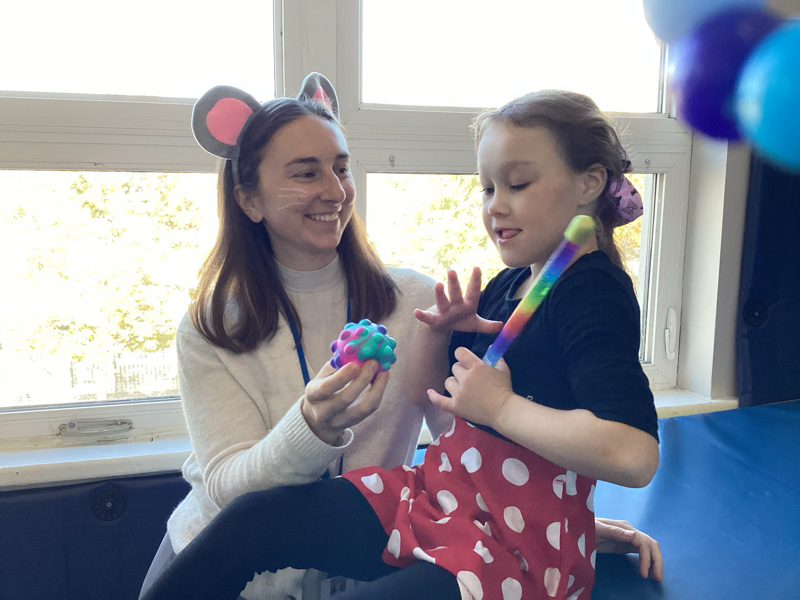
Our sensory-rich environments are designed to spark curiosity and engagement. Children climb, swing, explore, pretend, and create—while our expert therapists embed learning opportunities into every moment.
Individualized Treatment Plans
Every child receives a comprehensive assessment that considers their sensory needs, communication style, motor skills, emotional development, and family priorities. NDBI strategies are then tailored to your child’s strengths.
Family-Centered Care
Parents are essential partners in the process. We coach caregivers to use NDBI strategies at home, empowering you to support your child’s growth during everyday routines. Together, we can achieve breakthroughs.
This integrated approach ensures that therapy is not only effective but also meaningful and sustainable for families.
What NDBI Sessions Look Like at Eyas Landing
Parents often ask, “What does NDBI therapy actually look like?” Here are a few examples that bring the approach to life:
- A toddler learning communication through bubble play—reaching, gesturing, vocalizing, and taking turns.
- A preschooler practicing joint attention during pretend cooking, with the therapist modeling language and expanding play themes.
- A child building flexibility through turn-taking games, supported by sensory strategies from occupational therapy.
- A speech therapist using NDBI techniques to help a child request items, label actions, or use an AAC device during play.
- An ABA therapist embedding goals into natural routines like snack time, cleanup, or outdoor exploration.
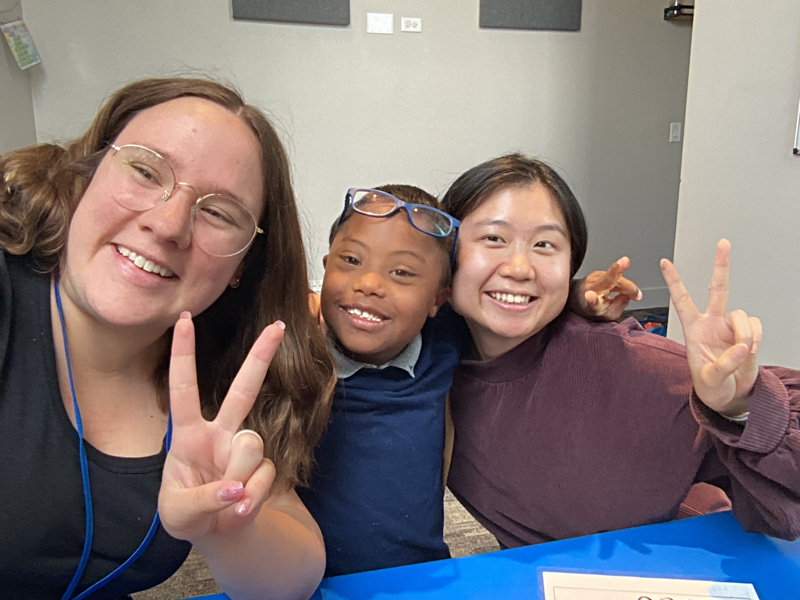
These sessions are joyful, dynamic, and deeply responsive to the child’s interests.
Parent Coaching
One of the most powerful aspects of NDBIs is the emphasis on parent involvement. Children spend far more time with their families than they do in therapy, and you are uniquely positioned to support learning throughout the day. Your expertise about your child is invaluable.
At Eyas Landing, parent coaching includes:
- Teaching caregivers how to recognize communication opportunities.
- Using natural routines—mealtime, bath time, playtime—as learning moments.
- Modeling strategies that build engagement and reduce frustration.
- Helping parents feel confident and supported.
When parents feel empowered, children thrive.
Research & Outcomes
Decades of research show that NDBIs lead to meaningful improvements in:
- Communication and language
- Social engagement
- Play skills
- Emotional regulation
- Adaptive functioning (daily living skills)
- School readiness
NDBIs are recommended by developmental pediatricians, psychologists, and autism researchers because they are both effective and developmentally respectful. They honor the child’s individuality while providing structured, evidence-based support.
Why Families in Chicago Choose Eyas Landing for NDBI-Based Care
Families come to Eyas Landing because they want the highest quality of care delivered with warmth, expertise, and respect. We meet your family where you are and provide specialists you can trust. Our strengths include:
- Experienced clinicians trained in multiple NDBI models
- A multidisciplinary team under one roof for comprehensive care
- Sensory-friendly, child-centered environments
- Strong relationships with Chicago schools and pediatricians
- A commitment to neuro-affirming, whole-child care
We are here to help your child grow through connection, joy, and developmentally grounded learning.
Getting Started at Eyas Landing
Beginning services is simple. Your next step is to connect with our team. Families can:
- Talk with our intake team
- Schedule an evaluation
- Tour the clinic
- Learn about insurance and scheduling options
- Collaborate with our clinicians to create a personalized treatment plan
We will walk with you every step of the way.

Eyas Landing is a therapy clinic with a mission to provide evidence-based and family-centered therapy services for children, adolescents, and their families. The primary goal is to deliver relationship-based interventions within the most natural environments and to empower families to reach their full potential. To achieve this goal, our highly educated, compassionate staff dedicates time and expertise to create experiences that maximize therapeutic outcomes. The strength, determination, and perseverance of our clients are evident as they succeed in therapy, and ultimately in their daily lives.
Eyas Landing offers a wide range of comprehensive services including Speech Therapy, Occupational Therapy, Physical Therapy, ABA Therapy, Social Work, Family Therapy, and Neuropsych testing. Services are provided throughout the Chicagoland area via Telehealth, In-Home, and in our state of the art clinic.
Want to learn more or you have a specific question? Feel free to connect with us here!