Everyday Occupational Therapy!
Everyday Occupational Therapy!

Supporting your child’s skill developmnt at home can feel like a never-ending quest. You want them to keep up the momentum they build in therapy or school, yet life rarely fits around a perfect schedule. Sometimes your best plans dissolve into laundry mountains, messy kitchens, or marathon toy cleanups. However, here is the secret: Occupational Therapy (OT) is not limited to sessions or clinics. It is woven into the fabric of everyday family routines. Every little moment—whether chaotic or calm—offers hidden potential for building essential skills.
You do not need to transform your home into a therapy center or buy specialized equipment. Progress is possible right where you are. At Eyas Landing, we meet families in their real lives, partnering to turn daily activities into meaningful growth. Let us walk through how chores, play, movement, and mealtimes can all connect to skill-building in a way that fits your family.
The Hidden Power of Household Chores
Most days, cleaning and organizing feel like tasks on your never-ending list. For kids, they might even be missions to avoid. However, these moments offer rich opportunities for practicing a range of OT goals.
Take laundry, for example. Sorting clothes by category or color builds visual discrimination and organizational skills. Matching socks transforms into a visual scanning and problem-solving challenge. Folding towels strengthens bilateral coordination—using both hands together with purpose, just like your child will need for cutting, writing, and daily tasks.
Wiping tables or counters works on core strength and body awareness. Reaching across the surface means crossing the midline—an important step for reading and coordinated movement. Handing your child the vacuum cleaner gives them a dose of “heavy work.” That means pushing and pulling, giving strong feedback to the body about where it is in the room. Heavy work feels organizing and calming for many kids, especially those with sensory needs.
Every chore is a lesson in sequencing and planning. Before you clean, you gather your supplies. Before you vacuum, you plug in the machine. These little routines strengthen the foundations for executive functioning—the ability to organize, plan, and follow steps. With small reminders or checklists, your child can build confidence and independence while helping out at home.
The Art of List Making
Most families rely on lists—think grocery lists, packing lists, or reminders on the fridge. Rather than keeping these to yourself, bring your child into the process. Every step is a boost for ideation and executive functioning: visualizing what is needed, brainstorming, and organizing information.
Invite your child to jot down what the family needs from the store, or what to pack for a weekend outing. The very act of writing furthers handwriting skills, and grouping similar items helps them strengthen organizational thinking.
Taking a list on a shopping trip gives new purpose to reading, scanning, and navigation. Your child learns to track down items, check them off, and take ownership in a busy environment. This builds attention to detail, the ability to filter distractions, and that rewarding sense of being an essential team member.
For some kids, especially those who get anxious about changes or surprises, lists provide structure and reduce worry. Knowing what is coming next can help everyone feel more at ease.
Chair Yoga and Movement Breaks
Modern family life involves plenty of time sitting—at mealtime, for homework, or while watching TV. Still, our bodies crave movement to stay regulated. Instead of relying on fancy yoga props, you can work in simple “chair yoga” or stretches wherever your family gathers.
A few ideas:
- Body Twist: Sit tall and gently twist side to side, holding the seat for support.
- Arm Circles: Stretch arms out and slowly draw circles, forwards and backwards.
- Toe Touches: Reach down to toes from the chair, then up to the ceiling.
- Bicycle Kicks: Lean back and move your legs as if pedaling a bike—great core work.
- Push and Pull: Press down on the seat beside you or on the tabletop. Feel those muscles working for a few seconds.
These moments break up the monotony, fuel the brain with movement, and help regulate energy. Making a game of it—who can stretch the highest or twist the farthest—keeps things playful and naturally encourages everyone to join in.
The Kitchen Classroom
Mealtimes and food prep are constant features of daily life, and every step invites OT progress. Invite your child to help set out ingredients, tear lettuce leaves, pour water, or stir batter. Each of these actions tackles fine motor skills, bilateral hand use, grading pressure, and core strength.
For kids with sensory sensitivities or picky eating, simply exploring food by touching, smelling, or preparing builds comfort. Working alongside you, they experience new textures and smells without pressure to take a bite right away.
Following a basic recipe is a built-in lesson in sequencing. Gathering supplies, measuring, and counting all connect academic skills to practical experience. Setting the table needs one-to-one matching—one plate per person, one cup at every spot—reinforcing early math.
Cooking offers a meaningful way to engage socially, too. Your child helps with real family tasks, practices waiting for turns, and shares a sense of accomplishment when everyone eats the meal together.

Building Independence with Dressing Skills
Getting dressed, especially in challenging weather or for new events, asks for a surprising amount of coordination. Zippers, buttons, hats, and boots are all mini-workouts for fingers and hands.
Support your child by picking one part of the routine to practice at a time—maybe pulling on socks this week, or managing the zipper next. Backward chaining, where the adult does most steps and the child finishes the task, helps keep things positive. For example, you start the zipper and your child finishes it for that last satisfying pull.
Give extra time so nobody feels rushed. If your child works hard at something—even if it does not go perfectly—recognize the effort. “You slid your arm all the way through the sleeve by yourself” is powerful encouragement.
Letting kids practice dressing creates daily opportunities for problem solving, hand strength, balance, and pride in their capabilities.
The Importance of Play
No matter what else is happening in your home, never underestimate the value of play. Play is not just fun—it is a core job of childhood and an OT favorite.
Playing games builds social skills like turn-taking, rule-following, and flexible thinking. Negotiating who goes first, handling wins and losses, and coming up with imaginative stories help develop language and reasoning in real time.
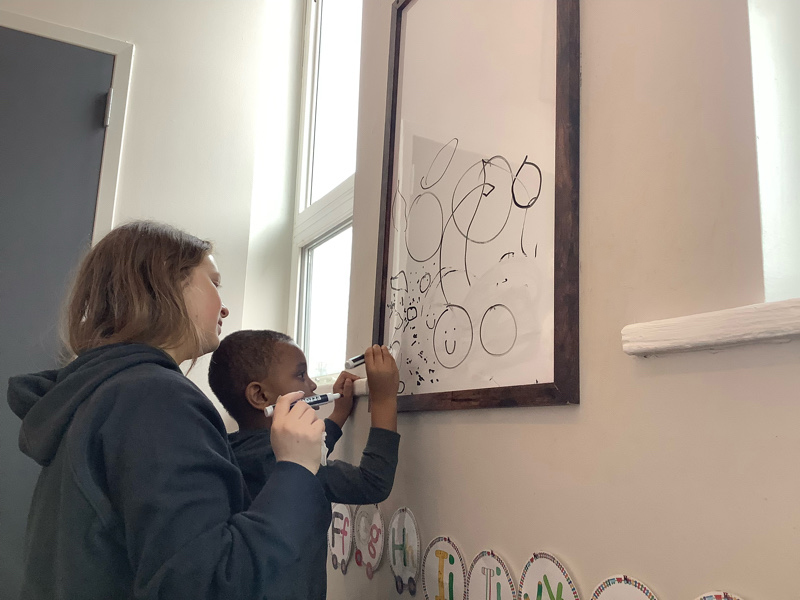
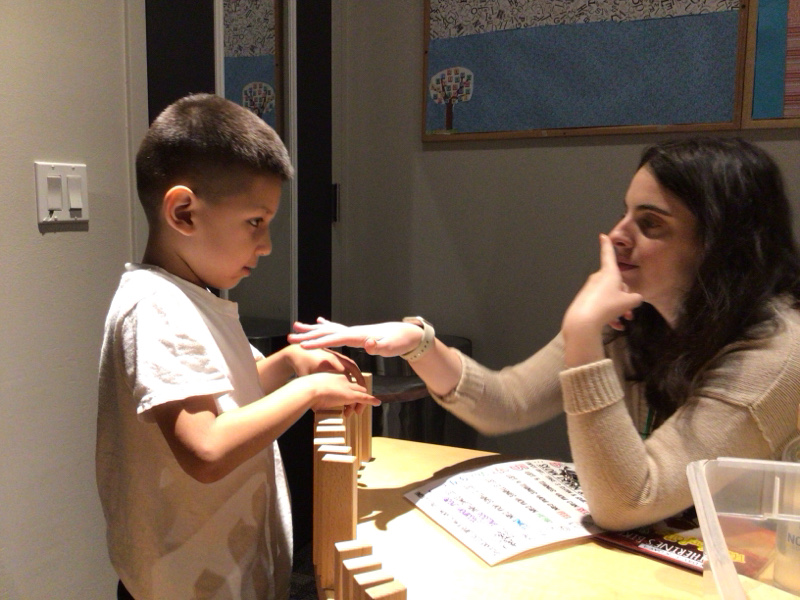
Play also builds both fine and gross motor skills. Climbing, bouncing, and running outdoors develop strength and balance. Inside, stringing beads, building with blocks, or drawing helps with dexterity and finger strength.
Perhaps most important, play nurtures connection. When you play side by side with your child—or jump right into their imaginative world—it says: you are valued, and your ideas matter.
Both structured games and creative, open-ended play matter. A cardboard box can become a spaceship, a robot house, or anything else your child invents. These moments support creative thinking and self-confidence.
Flexibility and Family Engagement
Supporting OT goals at home works best when you let flexibility lead. Some days, your child might need calming and comfort more than formal practice. Other times, unexpected setbacks or messes will become the best opportunities for learning. If a planned cooking activity ends as flour art across the kitchen, plenty of real skill-building happened anyway.
You do not need to do every activity or follow a strict plan. Pick what fits into your routines or feels natural. When something is not working, pause and try another approach. The aim is progress and connection, not perfection.
Focus on the process rather than the finished product. Celebrate effort and small steps forward, whether that means managing a new fastener or organizing toys into bins.
Family wellbeing matters, too. Children pick up on adult stress. Give yourself permission to step back and breathe. Recognize the tasks you accomplish together, whether big or small.
Making Everyday Activities Meaningful
Every interaction, from getting dressed to making snacks, is a chance to build life skills. Integrating OT strategies into your routines keeps those neural pathways active and ensures progress is not limited to therapy appointments.
Your child has a unique way of learning and a personal set of motivators. Use what you know about their interests—if dinosaurs are a favorite, integrate them into your lists or chores. If music is engaging, play favorite songs during stretches or clean up.
Share your observations with your therapy team. If you notice that matching socks clicks but zipping is tough, bringing this info helps create targets and solutions that work.
You are not only keeping skills fresh, but also building the foundation for independence—being able to dress independently, contribute to household routines, or try new foods with less worry.
Creating a Sensory-Friendly Home
Everyday OT is not only about what you do, but about shaping an environment that helps your child feel safe and successful. For kids with sensory sensitivities, consider the lighting, noise level, or overall energy in each room.
Create a quiet “cozy corner” with soft cushions for breaks when the world feels too bright or noisy. Use visual schedules or checklists—photos or written words—to map out what the day will look like, reducing guesswork and worry.
Talk through changes in plans ahead of time, role-play new situations, and listen when your child sets boundaries about touch or noise. Advocating for their comfort and choices helps them feel confident at home and beyond.
The Gift of Meaningful Presence
You may feel pressure to fill each day with progress, but sometimes being present is the best support. Take breaks from screens or distractions, observe your child, notice what lights them up, and join in.
Validating effort and celebrating successes—no matter how small—builds trust and motivation. Moving away from a “fix-it” mindset and focusing on growth lifts up both you and your child.
By using everyday routines as OT opportunities, you equip your child with real-life skills that matter—in the classroom, with friends, and in the community.
Moving Forward
Reflect at the end of the week or month. What new independence did you notice? What routines became opportunities? What challenges surprised you?
Pass the feedback along—share with your child’s therapy team, knowing that every observation counts. No degree required—your love, consistency, and adaptability matter most.
Keep building those skills, side by side, at the kitchen counter, in the playroom, or while sorting socks. The work you do every day is laying a foundation for lifelong independence.
Contact Us
If you want to learn more about supporting your child’s OT goals, reach out to Eyas Landing. Whether you are searching for a comprehensive evaluation, ongoing therapy, or a supportive educational environment such as Merlin Day Academy, we are here to help.
We serve families in the Chicago area with clinic-based, home-based, school-based, and TeleHealth services. Every program is grounded in evidence and developed with your family’s specific needs in mind.
Let us work together to help your child thrive and reach their fullest potential. OT is everywhere, every day.
“Eyas” is defined as a young hawk in the developmental stage of learning to fly. At Eyas Landing, it’s not only
about the flight, but also the landing. “As our clients succeed in therapy, they succeed in every aspect of their daily life.”- Dr. Laura Mraz, OTD, OTR/L Founder of Eyas Landing since 2007
Three Birds. One Mission.
Eyas Landing is just one part of your child’s journey! Our sister companies, Blue Bird Day and Merlin Day Academy, work together to support your child as they grow. Blue Bird Day, our therapeutic preschool and kindergarten program, is an intensive rotational therapeutic program designed to provide children ages 2-7 with the tools they need to succeed in a classroom environment. Merlin Day Academy— accredited by the Illinois State Board of Education—provides special education and multi-disciplinary therapy for children ages 6-14 with neuro-diverse learning needs.


Eyas Landing is a therapy clinic with a mission to provide evidence-based and family-centered therapy services for children, adolescents, and their families. The primary goal is to deliver relationship-based interventions within the most natural environments and to empower families to reach their full potential. To achieve this goal, our highly educated, compassionate staff dedicates time and expertise to create experiences that maximize therapeutic outcomes. The strength, determination, and perseverance of our clients are evident as they succeed in therapy, and ultimately in their daily lives.
Eyas Landing offers a wide range of comprehensive services including Speech Therapy, Occupational Therapy, Physical Therapy, ABA Therapy, Social Work, Family Therapy, and Neuropsych testing. Services are provided throughout the Chicagoland area via Telehealth, In-Home, and in our state of the art clinic.
Want to learn more or you have a specific question? Feel free to connect with us here!