What is Cognitive Behavioral Therapy?
Parenting often feels like you are trying to fold a fitted sheet while riding a unicycle. You might think you have everything under control, and then suddenly, you are tangled in elastic corners wondering how you got there.
We know that raising children comes with unique challenges. When your child struggles with big emotions or difficult behaviors, you might feel like you are running out of options. You are not alone in this feeling. Many families find themselves searching for a roadmap to help their children manage overwhelming feelings. This is where Cognitive Behavioral Therapy enters the picture.
Cognitive Behavioral Therapy, or CBT, is a structured form of talk therapy. It is an evidence-based approach that helps individuals understand the connection between their thoughts, feelings, and actions.
You can think of it as a way to untangle the knots in a child’s mind.
The core idea is simple yet powerful. Our thoughts influence how we feel. Our feelings influence how we behave. If we can change the unhelpful thoughts, we can change the negative feelings and the difficult behaviors that follow.
CBT guides children to recognize thoughts that are not helpful. It teaches them to pause and examine these thoughts. The therapy addresses what is happening in the present moment and helps plan for future actions. It does not just focus on the past. Instead, it gives children tools they can use right now.
 How CBT Helps Children
You might wonder if a child can truly understand their own thought processes. The answer is yes. CBT for kids is adapted to their developmental level. It helps a child understand negative thoughts and learn how to view those thoughts differently.
First, the child learns how a negative thought influences their feelings. For example, a child might think they are bad at math. This thought makes them feel sad or frustrated. As a response, they might refuse to do their homework or act out in class.
When the child understands this chain reaction, CBT helps by restructuring those negative thoughts. The therapy specifically helps a child learn realistic strategies when encountering negative thoughts. They learn that they have the power to change the narrative inside their head.
CBT can help children learn to control self-defeating thoughts. It helps with impulsivity, defiance, and tantrums. The child can replace their negative reactions with better choices. This leads to an improved self-image. They develop new coping mechanisms and problem-solving skills. They gain more self-control. This process happens over time when implementing goals for therapy.
Understanding Negative Thoughts
We all have an inner voice. Sometimes that voice is not very kind. In CBT, we call these negative thoughts “automatic negative thoughts.” You might also hear them described as “bully thoughts.” These are thoughts that bully us about ourselves.
These statements often start with “me” or “I.” For example, a child might think, “I am stupid,” or “Nobody likes me.” These thoughts pop up automatically. They can feel very true to the child in the moment. However, they are often not based on facts.
When a child believes these bully thoughts, their mood drops. They might become anxious or angry. This leads to behaviors that push others away or cause trouble at home and school. CBT teaches children to catch these thoughts. They learn to act like detectives. They look for evidence. Is it true that nobody likes them? Or did one friend just not want to play today?
By challenging these thoughts, the child takes away their power. The bully thoughts become less loud. The child learns to replace them with helpful thoughts. A helpful thought might be, “I am having a hard time with this math problem, but I can ask for help.”
How CBT for Children Works
CBT is not a one-size-fits-all approach. It can be completed in short-term or long-term therapy. The duration depends on the client’s goals and what the client wants to change. Every child is different. Some children need help with a specific fear. Others need ongoing support for anxiety or behavioral issues.
The therapist provides many ways for your child to take control. The goal is to empower them. We want your child to feel like they are the captain of their own ship. The therapist acts as a navigator, pointing out hazards and suggesting better routes.
The process usually begins with an evaluation. The therapist meets with you and your child. They gather information about your child’s history and current struggles. Together, you set specific goals. These goals might include things like sleeping in their own bed, raising their hand in class, or managing anger without hitting.
Sessions are structured but flexible. They often involve talking, playing, and practicing skills. The therapist might assign “homework” for the child to practice between sessions. This helps transfer the skills from the therapy room to real life.
 CBT Techniques for Kids
Therapists use a variety of techniques to make CBT engaging for children. We know that sitting in a chair and talking for an hour is not realistic for many kids. Therefore, we use methods that fit their interests and developmental needs.
Play Therapy
For younger children, play is their natural language. Play therapy utilizes arts and crafts, dolls, puppets, and role-playing. These tools help the child with storytelling. They can address problems and work out solutions through the characters they create.
For instance, a child might use puppets to act out a situation that happened at school. The therapist can guide the play to show different outcomes. The child can practice standing up to a bully or making a new friend through the puppets. Play therapy also helps younger children stay engaged. It makes the work feel like fun.
Trauma-Focused CBT
Some children have experienced difficult events. Trauma-focused CBT is implemented to treat children who have undergone a traumatic event. This method works through cognitive and behavioral issues related to that event.
It helps the child process what happened in a safe environment. They learn to manage the distressing thoughts and feelings associated with the trauma. This approach involves the parents or caregivers closely. It helps restore a sense of safety and trust for the child.
Modeling
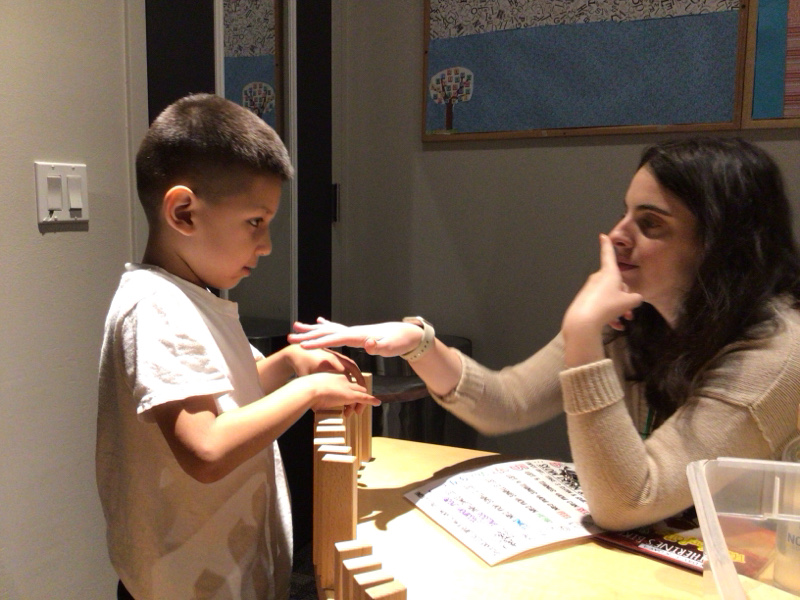
Children learn a lot by watching others. In modeling, the therapist may act out an example of the desired behavior. Then, they ask the child to do the same. They might also provide examples from stories or videos.
For example, if a child struggles with introducing themselves, the therapist will demonstrate. They will show confident body language and a friendly voice. Then the child practices. This allows the child to see what success looks like before they try it themselves.
Reframing and Restructuring
This is a core component of CBT. This technique helps the child learn to reframe that negative thought into a positive one. It is not about pretending everything is perfect. It is about being realistic and kind to oneself.
For example, a child might say, “I stink at soccer. I am a total loser.” This is a bully thought. The therapist helps the child change this script. The thought can become, “I am not the best soccer player, however I am good at a lot of other things.” Or it might become, “I am still learning how to play soccer, and I will get better with practice.”
Exposure Therapy
When a child is afraid of something, their instinct is to avoid it. However, avoidance often makes the fear grow stronger. Exposure therapy helps the child face specific fears.
This is done very gradually. We do not throw a child into the deep end. We work on increasing coping skills to use when exposed to anxiety-producing situations. If a child is afraid of dogs, we might start by looking at pictures of dogs. Then we might watch a video. Eventually, they might stand near a gentle dog. At each step, they practice breathing and calming their body.
Fascinating Aspects of CBT
What is fascinating about CBT is that therapists can use this therapy in different ways to cater to each child’s interests. We can use worksheets with their favorite cartoon characters. We can use experiential therapies such as art therapy.
If a child loves superheroes, we can talk about their “superpower” to change their thoughts. If they love science, we can treat their thoughts like hypotheses that need testing. This flexibility ensures that the child feels seen and understood. It makes the therapy relevant to their world.
Conditions CBT Can Help With
CBT is a versatile tool. It is effective for a wide range of conditions that children and adolescents face.
Attention Deficit Hyperactivity Disorder (ADHD)
Children with ADHD often struggle with impulsivity and self-esteem. They might hear a lot of negative feedback because of their behaviors. CBT helps them slow down. It teaches them to stop and think before they act. It also helps them challenge the idea that they are “bad” kids. They learn practical skills for organization and focus.
Anxiety and Mood Disorders
Anxiety often stems from catastrophic thinking. A child might worry that if they make a mistake, everyone will laugh at them. CBT helps them look at the evidence. It teaches them relaxation techniques to calm their physical anxiety symptoms. For mood disorders like depression, CBT helps break the cycle of negative thoughts and withdrawal. It encourages engagement in positive activities.
Anxiety with Autism Spectrum Disorder
Children with Autism Spectrum Disorder often experience high levels of anxiety. The world can feel unpredictable and overwhelming to them. CBT can be adapted to be more concrete and visual for these children. It helps them understand social situations and manage their sensory reactions. It gives them scripts and strategies to cope with changes in routine.
Trauma and PTSD
As mentioned with trauma-focused CBT, this therapy is highly effective for Post-Traumatic Stress Disorder. It helps children make sense of their trauma narrative. It reduces the power of triggers. It helps them reclaim their sense of safety in the world.
 The Role of Social Work
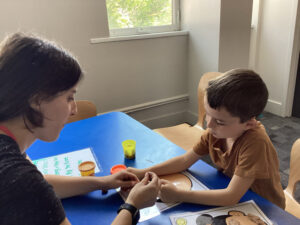
Social workers play a vital role in the mental health landscape. At Eyas Landing, our social workers can use this therapeutic approach by working with your child. They help the child understand the relationship between thoughts, feelings, and behaviors.
Therefore, we can guide your child to understand their behaviors and the consequences of their actions. This is not about punishment. It is about learning cause and effect. If I scream, my friends walk away. If I use my words, my friends stay and play.
Social workers can help by having your child learn all the different strategies and skills to help with difficult situations. They look at the child’s whole environment. They work with the family and the school to ensure everyone is on the same page.
Why Flexibility Matters
At Eyas Landing, flexibility is the foundation of our approach. We meet families where they are. This applies to where we do therapy and how we do it. We know that a child might act differently in a clinic than they do at home.
That is why we offer services in natural environments. We can work with your child at home, at school, or at daycare. We also have our West Loop facility in Chicago. We offer TeleHealth for families who need that option. This ensures meaningful growth. It reduces barriers to care.
When a therapist sees a child in their natural setting, they see the real challenges. They can help the child practice skills in the exact moment they need them. This leads to better generalization of skills. The child learns to use their CBT tools in real life, not just in a therapy office.
A Partnership with Parents
We believe that parents are the experts on their children. You know your child best. CBT is most effective when it is a collaboration. We involve families in creating treatment plans and goals. We provide coaching every step of the way.
You are an active partner in your child’s progress. We will teach you the language of CBT. You will learn how to help your child catch their bully thoughts at the dinner table. You will learn how to model positive reframing when you are stuck in traffic.
This partnership creates a consistent environment for the child. They hear the same messages at home and in therapy. This reinforces their learning and speeds up their progress.
Moving Forward with Hope
It is easy to feel overwhelmed when your child is struggling. You might worry about their future. You might worry that things will never change. However, change is possible. CBT offers a concrete path forward.
It is not magic. It takes work and practice. There will be ups and downs. However, the skills your child learns in CBT are skills for life. They are learning how to manage their mental health. They are building resilience.
Imagine your child facing a challenge with confidence. Imagine them knowing exactly what to do when they feel anxious. Imagine them being kind to themselves when they make a mistake. This is the goal of CBT.
Taking the Next Step
If you think CBT might be right for your child, the first step is to reach out. You do not have to figure this out alone. A qualified therapist can assess your child’s needs. They can determine if CBT is the best approach.
Look for a provider who has experience working with children. Look for someone who values family involvement. Ask questions about their approach. Ask how they adapt therapy for your child’s specific age and needs.
At Eyas Landing, we are committed to helping your child reach their unimaginable goals. We are here to support your whole family. We understand the journey you are on. We are ready to walk that path with you.
 The Power of Early Intervention
Addressing mental health and behavioral concerns early is crucial. We know that patterns of thinking become more ingrained over time. The sooner a child learns to identify negative thoughts, the easier it is to change them.
Think of it like walking through a field of tall grass. The first time you walk a path, it is difficult. The grass is high and thick. If you walk that same path every day, the grass gets trampled down. The path becomes clear and easy to follow.
Our thoughts work the same way in our brains. Negative thoughts can become a well-worn path if we repeat them often enough. CBT helps children create new paths. At first, the new positive path is hard to find. It takes effort to walk it. However, with practice, that new path becomes the easy one. The old negative path grows over from disuse.
Early intervention helps ensure that the negative paths do not become permanent highways. It gives children a head start on mental wellness.
Building a Toolkit for Life
One of the greatest benefits of CBT is that it provides a toolkit. Your child does not just leave therapy feeling better. They leave with tools they can keep forever.
They have the “Stop and Think” tool. They have the “Check the Facts” tool. They have the “Deep Breathing” tool. These are portable. They require no batteries. They are always available.
As your child grows up, they will face new challenges. They will navigate friendships, dating, college, and jobs. The specific worries will change. However, the tools to manage those worries remain the same.
The investment you make in therapy now pays dividends for years to come. You are giving your child the gift of emotional intelligence. You are giving them the ability to self-regulate.
Understanding the Commitment
CBT is an active therapy. It requires participation. It is not something that is done to the child. It is done with the child.
This means that attendance is important. Consistency is key. It also means that practicing between sessions is vital. Just like learning to play the piano, you cannot learn just by going to lessons once a week. You have to practice at home.
We understand that families are busy. We know that adding one more thing to the schedule is hard. That is why we emphasize integrating skills into daily life. Practice does not always mean sitting down with a worksheet.
Practice can happen in the car on the way to school. It can happen while grocery shopping. It can happen during the bedtime routine. Your therapist will help you find ways to make practice fit your life.
Addressing Skepticism
It is normal to have questions. You might wonder if talking can really change behavior. You might worry that your child is too young or too stubborn.
The evidence for CBT is strong. It is one of the most researched forms of therapy. Studies show it is effective for many childhood conditions. It works because it is based on how our brains actually learn.
It respects the child’s intelligence. It does not treat them like a problem to be solved. It treats them like a person who is learning a new skill.
If you are unsure, talk to a professional. Share your concerns. A good therapist will be transparent with you. They will explain the process clearly. They will set realistic expectations.
Cognitive Behavioral Therapy is a powerful resource for families. It offers a structured yet flexible way to help children manage their thoughts, feelings, and behaviors. It empowers children to take charge of their own minds.
It helps them silence the bully thoughts. It helps them find their brave voice. It equips them with strategies to handle whatever life throws at them.
Whether your child is dealing with anxiety, ADHD, trauma, or just the ups and downs of growing up, CBT can help. It provides a framework for understanding and change.
At Eyas Landing, we see the potential in every child. We see their strengths. We see their resilience. We use tools like CBT to help them shine. We invite you to explore this option for your family. It might be the roadmap you have been looking for.
A Thought on Resilience
We often talk about resilience as bouncing back. CBT helps build the springs that make that bounce possible. It strengthens the internal muscles of the mind.
Your child is capable of amazing things. They can learn to navigate their emotions. They can learn to overcome obstacles. They can learn to believe in themselves.
We are here to help them do just that. We are here to provide the guidance, the tools, and the support. We are here to celebrate every victory, big and small.
Remember that you are doing a great job. Parenting is hard work. Seeking help is a sign of strength. It shows how much you love your child. It shows your commitment to their well-being.
Cognitive Behavioral Therapy is one piece of the puzzle. It is a valuable piece. It can bring clarity where there is confusion. It can bring calm where there is chaos. It creates a foundation for a healthier, happier future.
We look forward to partnering with you on this journey. We are excited to see your child grow and thrive. Together, we can help them rewrite their story. We can help them replace “I can’t” with “I can try.” We can help them replace fear with courage. That is the promise and the power of CBT.
 Reframing the Family Dynamic
It is important to note that when one family member changes, the whole system changes. When your child learns to manage their big feelings, the whole house feels calmer.
When you learn to respond to their anxiety with CBT strategies, conflicts decrease. You stop feeding the anxiety. You start feeding the bravery.
This positive ripple effect benefits everyone. Siblings feel less stress. Parents feel more competent. The home becomes a more peaceful place.
CBT supports the health of the entire family unit. It gives you a shared language. It gives you shared goals. It brings you closer together as you work through challenges as a team.
The Journey Continues
Therapy has a beginning, a middle, and an end. The goal is for your child to eventually not need therapy. We want them to become their own therapist.
When they leave our care, they take their skills with them. They take their confidence with them. They are ready to face the world.
We are honored to be a part of that journey. We are honored to witness their growth. Every child deserves the chance to feel good about themselves. Every child deserves the tools to succeed.
Cognitive Behavioral Therapy helps make that possible. It is a gift that keeps on giving. It is an investment in a bright future. We hope this article helps you understand what CBT is and how it can help your child. Knowledge is power. Now you have the knowledge to take the next step.
“Eyas” is defined as a young hawk in the developmental stage of learning to fly. At Eyas Landing, it’s not only
about the flight, but also the landing. “As our clients succeed in therapy, they succeed in every aspect of their daily life.”- Dr. Laura Mraz, OTD, OTR/L Founder of Eyas Landing since 2007
Three Birds. One Mission.
Eyas Landing is just one part of your child’s journey! Our sister companies, Blue Bird Day and Merlin Day Academy, work together to support your child as they grow. Blue Bird Day, our therapeutic preschool and kindergarten program, is an intensive rotational therapeutic program designed to provide children ages 2-7 with the tools they need to succeed in a classroom environment. Merlin Day Academy— accredited by the Illinois State Board of Education—provides special education and multi-disciplinary therapy for children ages 6-14 with neuro-diverse learning needs.

Eyas Landing is a therapy clinic with a mission to provide evidence-based and family-centered therapy services for children, adolescents, and their families. The primary goal is to deliver relationship-based interventions within the most natural environments and to empower families to reach their full potential. To achieve this goal, our highly educated, compassionate staff dedicates time and expertise to create experiences that maximize therapeutic outcomes. The strength, determination, and perseverance of our clients are evident as they succeed in therapy, and ultimately in their daily lives.
Eyas Landing offers a wide range of comprehensive services including Speech Therapy, Occupational Therapy, Physical Therapy, ABA Therapy, Social Work, Family Therapy, and Neuropsych testing. Services are provided throughout the Chicagoland area via Telehealth, In-Home, and in our state of the art clinic.
Want to learn more or you have a specific question? Feel free to connect with us here!