Let’s talk about ABA therapy, or Applied Behavior Analysis. It’s one of the most researched and widely used approaches for supporting children with autism spectrum disorder (ASD) and other neurodiverse conditions. Families around the world have found it to be a game-changer, helping their children develop communication skills, independence, and confidence.
Whether you’re a parent exploring ABA therapy for your child or just curious about what it’s all about, this guide will walk you through the essentials: what ABA therapy is, how it works, and how it can be tailored to fit your family’s unique needs.
What Is ABA Therapy?
At its heart, ABA therapy is all about understanding behavior—how it works, how it’s influenced by the environment, and how learning happens. It’s rooted in science and uses positive reinforcement and structured teaching methods to help kids build new skills, reduce challenging behaviors, and apply what they’ve learned in real-life situations.
What makes ABA therapy so effective? It’s completely personalized. Every child’s program is designed around their unique strengths, challenges, and goals. There’s no cookie-cutter approach here. Therapists start with a thorough assessment and create a plan that evolves as your child grows and progresses. Modern ABA therapy is all about positivity. It’s not just about teaching—it’s about making learning fun, following your child’s interests, and celebrating their successes. This creates an environment where kids feel motivated to learn, and parents feel empowered to support their journey.
What Does an ABA Therapy Session Look Like?
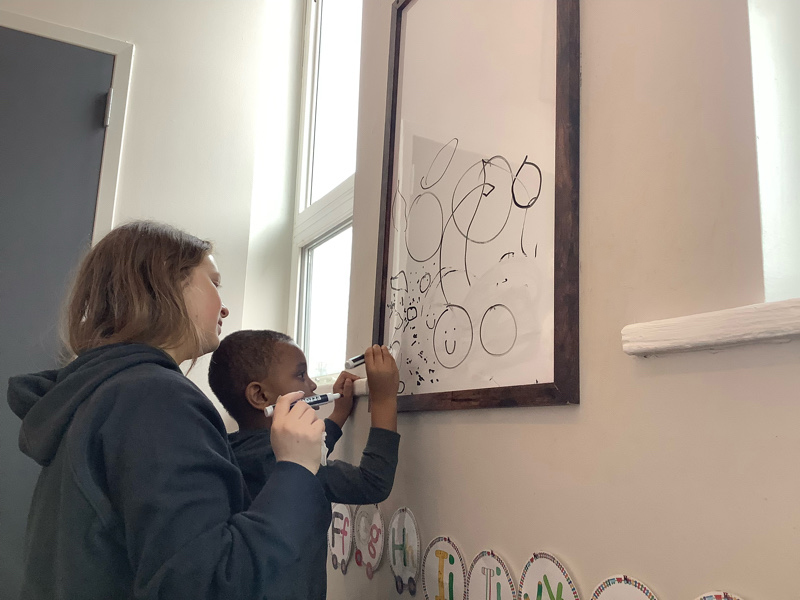
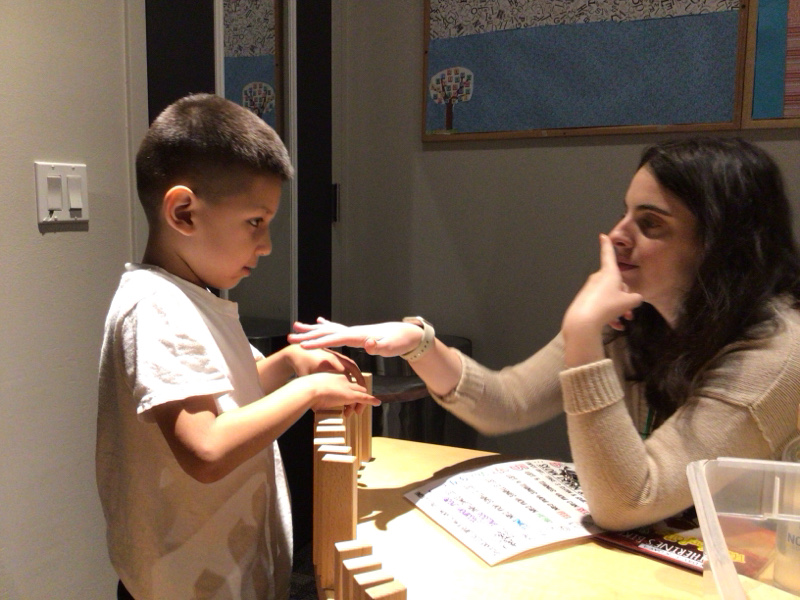
Forget the image of a formal, clinical setting. Today’s ABA therapy sessions are dynamic, engaging, and often look like playtime with a purpose. Here’s a peek into what happens:
1. The Starting Point: Assessment and Goal Setting
Before therapy begins, a Board Certified Behavior Analyst (BCBA) takes a deep dive into your child’s abilities: communication, social skills, self-care, play, academics, and behavior. This involves observation, testing, and input from parents (and sometimes teachers). From there, they set specific, measurable goals that align with your family’s priorities.
2. The Session Structure
During a session, a trained therapist (often called a Registered Behavior Technician or RBT) works one-on-one with your child. Depending on the goals, sessions might include:
- Structured Teaching Activities: These are planned lessons targeting specific skills. For example, if your child is learning to identify objects, the therapist might present items and reward correct responses with praise or a favorite activity.
- Natural Environment Teaching (NET): Learning happens during play and daily routines. If your child loves trains, the therapist might use train play to teach colors, counting, or turn-taking. It’s learning disguised as fun!
- Discrete Trial Training (DTT): This method breaks skills into small, teachable steps. Each trial includes an instruction, your child’s response, and reinforcement for correct answers. While it sounds structured, skilled therapists make it engaging and mix it with play.
- Generalization and Maintenance: Skills are practiced in different settings, with different people, and using various materials to ensure your child can apply them in real life.
- Data Collection: Throughout the session, therapists track progress to see what’s working, adjust strategies, and celebrate wins.
How Much Therapy Is Right for Your Child?
The intensity of ABA therapy varies based on your child’s needs and your family’s circumstances. Research shows that early, intensive intervention (25-40 hours per week) can lead to significant progress for young children with autism. But not every child needs that level of intensity. Here’s a breakdown:
- Comprehensive Programs: For younger children (ages 2-5), therapy might involve 20-40 hours per week.
- Focused Programs: For specific goals, 10-20 hours per week can be effective.
- Maintenance and Support: As children grow, therapy hours often decrease, transitioning to periodic guidance for parents and teachers.
It’s not about the number of hours; it’s about the quality of therapy, your child’s engagement, and how well the program fits your family’s life.
Supporting Verbal and Non-Verbal Children
ABA therapy meets kids where they are, whether they’re non-verbal, verbal, or somewhere in between.
For Non-Verbal Children:
The focus is on functional communication, using tools like:
- Picture Exchange Communication System (PECS): Exchanging pictures for items or activities.
- Sign Language: Simple signs to communicate.
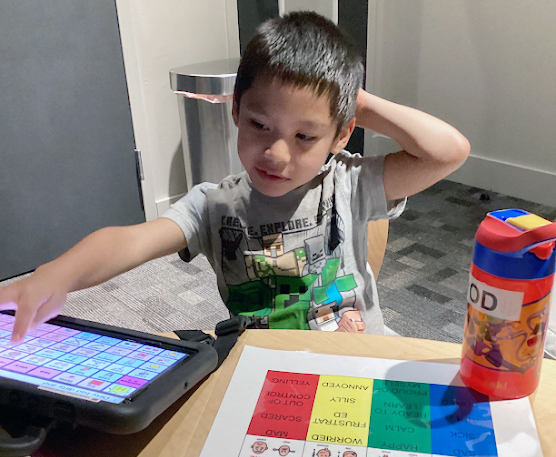
- AAC Devices: Tablets or devices with speech-generating software.
- Pre-Verbal Skills: Building blocks like joint attention and imitation.
The goal? To help your child express their needs, share experiences, and connect with others, whether through speech or alternative methods.
For Verbal Children:
ABA therapy can help with:
- Pragmatic Language: Social rules of conversation, like taking turns and staying on topic.
- Expressive Language: Expanding vocabulary and using complete sentences.
- Conversational Skills: Initiating and maintaining interactions.
- Problem-Solving Language: Expressing frustration, asking for help, or negotiating.
Bringing ABA Therapy Home
One of the most exciting aspects of ABA therapy is how it empowers parents. When families learn and use ABA strategies, kids make faster progress. Here’s how:
Parent Training:
Parents learn to:
- Reinforce positive behaviors during daily routines.
- Manage challenging behaviors.
- Create learning opportunities during meals, playtime, and more.
- Use communication techniques tailored to their child.
- Track progress at home.
Home-Based Therapy:
Many families opt for therapy sessions at home, which offers unique benefits:
- Kids learn in their natural environment.
- Parents can observe and learn strategies in real-time.
- Therapists can address specific home routines.
- Siblings can join in on activities.
Telehealth ABA Therapy: A Modern Solution
Thanks to technology, ABA therapy can now be delivered via telehealth. While it might seem surprising for such an interactive therapy, telehealth has proven effective for many families.
How It Works:
- Parent-Mediated Sessions: Therapists coach parents in real-time.
- Direct Child Interaction: For verbal children, therapists can work directly through the screen.
- Assessment and Supervision: BCBAs observe and guide remotely.
Benefits:
- No travel stress.
- Flexible scheduling.
- More parent involvement.
- Access for families in remote areas.
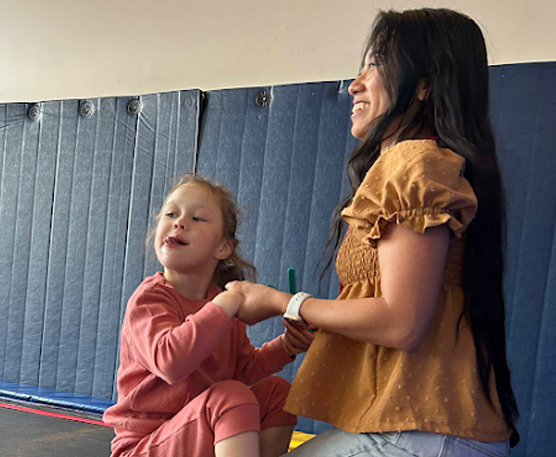
The Heart of ABA Therapy
ABA therapy is more than a clinical intervention. It’s a partnership between families and professionals, working together to unlock a child’s potential. It’s about celebrating every small victory, from a first word to a new friendship, and building a foundation for lifelong growth.
As a parent, you are your child’s greatest advocate and teacher. ABA therapy provides the tools and support, but your love, patience, and commitment make all the difference. Trust the process, celebrate the wins, and hold onto hope because every child has incredible potential waiting to be discovered.
Frequently Asked Questions About ABA Therapy
At what age should ABA therapy start?
ABA therapy can begin as early as 18-24 months, and research shows that early intervention often leads to the best outcomes. However, ABA therapy is beneficial at any age. While younger children may make faster gains due to brain plasticity, older children, teenagers, and even adults can benefit from ABA interventions tailored to their developmental stage and specific needs. It’s never too late to start working on meaningful goals.
Is ABA therapy covered by insurance?
Most insurance plans are required to cover ABA therapy for autism spectrum disorder, thanks to autism insurance mandates in many states. Coverage varies by state, insurance provider, and specific plan, but many families find that a significant portion of ABA services is covered. It’s important to contact your insurance provider to understand your specific benefits, required authorizations, and any out-of-pocket costs. Many ABA providers have staff who specialize in navigating insurance coverage and can help families through this process.
How long does a child typically need ABA therapy?
The duration of ABA therapy varies significantly depending on individual goals, severity of challenges, and rate of progress. Some children participate in intensive therapy for 2-3 years and then transition to less intensive support, while others benefit from ongoing services throughout childhood. The goal is always to help children become as independent as possible, so as skills develop and generalize, therapy often decreases in intensity. Many children gradually “fade out” of services as they acquire necessary skills, though some continue with periodic consultation or focused interventions as new challenges arise.
Will ABA therapy change my child’s personality?
No. ABA therapy is designed to teach skills and reduce barriers to learning and quality of life, not to change who your child fundamentally is. Modern, ethical ABA practice respects each child’s unique personality, interests, and ways of experiencing the world. The focus is on expanding communication abilities, building independence, reducing behaviors that cause distress or safety concerns, and teaching skills that open doors to opportunities. Your child’s authentic self, preferences, and personality remain intact while they gain tools to express themselves and navigate their environment more successfully.
What’s the difference between a BCBA and an RBT?
A Board Certified Behavior Analyst (BCBA) is a graduate-level professional with specialized training in behavior analysis who has passed a national certification exam. BCBAs design treatment programs, conduct assessments, create behavior intervention plans, supervise therapy teams, and make clinical decisions about programming. A Registered Behavior Technician (RBT) is a paraprofessional who has completed specific training and passed a competency assessment. RBTs implement the treatment plans created by BCBAs and work directly with children during therapy sessions. Both roles are essential, with BCBAs providing oversight and RBTs providing hands-on implementation.
Can ABA therapy help with potty training, eating, and sleeping?
Absolutely! ABA principles are highly effective for teaching daily living skills, including toilet training, expanding food preferences, establishing bedtime routines, and improving sleep habits. These are common goals in ABA programs because they significantly impact quality of life for both children and families. Therapists use task analysis, positive reinforcement, and systematic teaching to break these complex skills into manageable steps. Many families report that addressing these practical skills has been transformative for their household functioning and their child’s independence.
What if my child doesn’t like their therapist?
The therapeutic relationship is crucial to success in ABA therapy. If your child consistently shows distress or resistance with a particular therapist, this should be addressed immediately with the supervising BCBA. Sometimes adjustments to teaching methods, pace, or reinforcement systems can improve the relationship. Other times, switching to a different therapist whose personality or style better matches your child is the right solution. Quality ABA providers prioritize the child’s comfort and engagement, and they should be responsive to concerns about therapist-child fit.
How do I know if my child is making progress?
ABA therapy is data-driven, which means progress is measured objectively rather than relying solely on subjective impressions. Your BCBA should provide regular progress reports showing graphs and data on each goal. You should see incremental improvement over weeks and months, though progress isn’t always linear—some skills develop in bursts while others require more time. Beyond data, you’ll likely notice functional changes: your child using new words at home, playing more independently, having fewer meltdowns, or accomplishing tasks they couldn’t do before. Regular team meetings should review progress and adjust goals as needed.
Can siblings be involved in ABA therapy sessions?
Yes, and sibling involvement can be incredibly beneficial! Many ABA programs incorporate siblings into sessions, especially when working on social skills, play skills, or turn-taking. Siblings can be wonderful natural teachers and playmates. Additionally, many programs offer sibling training to help brothers and sisters understand autism, use supportive strategies, and maintain their own wellbeing. Including siblings appropriately can strengthen family bonds, reduce sibling rivalry, and create opportunities for natural, generalized learning.
What should I look for when choosing an ABA provider?
When selecting an ABA provider, consider: the credentials and experience of BCBAs and therapists; the agency’s approach (modern, naturalistic, play-based vs. more traditional methods); parent training and involvement opportunities; communication frequency with families; staff retention rates; whether the provider accepts your insurance; availability of services in your preferred location (home, clinic, or school); and overall philosophy toward neurodiversity. Schedule consultations with multiple providers, ask about their approach to specific challenges your child faces, and trust your instincts about which team feels like the best fit for your family. The right provider should feel like a collaborative partner, not just a service vendor.

Eyas Landing is a therapy clinic with a mission to provide evidence-based and family-centered therapy services for children, adolescents, and their families. The primary goal is to deliver relationship-based interventions within the most natural environments and to empower families to reach their full potential. To achieve this goal, our highly educated, compassionate staff dedicates time and expertise to create experiences that maximize therapeutic outcomes. The strength, determination, and perseverance of our clients are evident as they succeed in therapy, and ultimately in their daily lives.
Eyas Landing offers a wide range of comprehensive services including Speech Therapy, Occupational Therapy, Physical Therapy, ABA Therapy, Social Work, Family Therapy, and Neuropsych testing. Services are provided throughout the Chicagoland area via Telehealth, In-Home, and in our state of the art clinic.
Want to learn more or you have a specific question? Feel free to connect with us here!