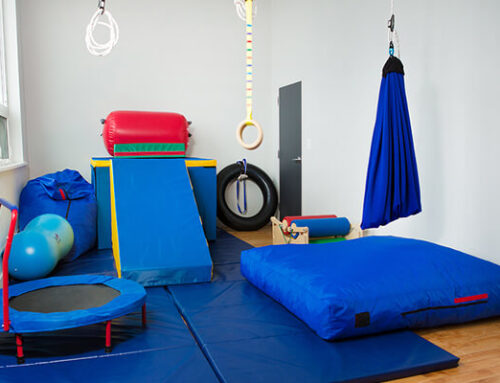
Seven year old Leo worried about everything. He worried if his shoelaces were tied tight enough, if his favorite red crayon would run out, if a thunderstorm two counties away might change course, and if the family dog secretly preferred his sister. His parents initially found it endearing.
However, soon the small worries snowballed into big ones. He worried about his parents getting into a car accident on their way to work. He worried he would forget his lines in the school play, even though he was just Tree Number Three. His constant worrying was like having a smoke detector that went off every time someone made toast. The alarm was real, but the danger was not.
Many parents see this pattern. It starts as typical childhood concern and slowly morphs into something more persistent and disruptive. This is the difference between normal worry and anxiety. We are seeing these symptoms in children earlier and more often.
Parents are becoming more attuned to their child’s emotional world, recognizing when the baseline of worry has shifted into a constant state of high alert. At Eyas Landing, our mission is to support the whole child and the whole family through these challenges.
We believe in providing the tools and strategies to help turn down the volume on the internal alarm, so your child can navigate their world with confidence.
What Is Generalized Anxiety Disorder in Children?
Generalized Anxiety Disorder, or GAD, in children is not simply worrying now and then. It’s excessive, uncontrollable worry about a wide range of topics, from school and friendships to health and world events. A child with typical fears might be scared of the dark but can be soothed with a nightlight.
A child with GAD might worry about the dark, then worry about a monster under the bed, then worry that the nightlight might short circuit and cause a fire. The worry chain is long and often illogical.
Think of a child’s nervous system as a highly sensitive security system. In most children, the system sounds an alarm when a real threat appears, like a large barking dog. For a child with GAD, that system is calibrated too high. It triggers what we call “false alarms” for situations that are not actually dangerous. A pop quiz at school, a friend not waving back on the playground, or a change in dinner plans can all set off the same internal sirens as a genuine emergency.
This constant state of alert is exhausting. Early identification is crucial because it allows us to help children and their families learn how to recalibrate this system before the patterns of worry become deeply ingrained.
Common Signs & Symptoms Parents May Notice
Recognizing GAD involves looking for patterns across a child’s emotional, physical, and behavioral responses. These symptoms often interlock, creating a cycle that can be difficult to break without support.
Emotional Symptoms
The most prominent emotional sign is excessive worry that is difficult to control. A child may seem to be in a constant state of “what if.”
These worries can attach to anything: academic performance, social acceptance, the health of family members, or personal safety. Once a worry takes hold, the child finds it incredibly hard to calm down and let it go.
This can lead to irritability or emotional outbursts that seem disproportionate to the situation. A minor frustration, like a spilled drink, might trigger a complete meltdown because their emotional capacity is already overloaded by anxiety.
Physical Symptoms
The mind and body are deeply connected. Persistent anxiety often shows up in physical ways. Many children with GAD complain of frequent stomachaches or headaches, especially on school mornings or before social events.
These are not imagined pains; they are the direct result of the body’s stress response. You might also notice chronic fatigue, as the constant state of high alert drains their energy.
Sleep can become a major challenge, with children having trouble falling asleep, staying asleep, or experiencing frequent nightmares related to their daytime worries.
Muscle tension, fidgeting, and general restlessness are also common as the body struggles to release pent up anxious energy.
Behavioral Symptoms
Anxiety changes behavior. One of the most common behavioral symptoms is avoidance. If a child is anxious about school, they may try to avoid going. If they fear social rejection, they might refuse to attend birthday parties or join a team.
This avoidance provides temporary relief but reinforces the anxiety long term. Another key behavior is constant reassurance seeking. You may hear endless questions like, “Are you sure I will be okay?” or “Will you pick me up right on time?”
Even after being reassured, the doubt quickly returns. Perfectionism is another frequent sign. The fear of making a mistake can be so intense that a child might spend hours on a simple homework assignment or become intensely distressed over a small error.
Impact on Daily Life
When these symptoms converge, they can have a significant impact on a child’s ability to function and thrive. School performance may suffer as worries about tests or social dynamics make it hard to concentrate.
Children may withdraw from friendships or social activities, leading to isolation. Family life can also become strained. Routines may revolve around managing the child’s anxiety, and parents and siblings can feel the weight of the constant worry and reassurance seeking.
Why Some Children Develop Generalized Anxiety
There is no single cause of GAD. It typically develops from a combination of factors that create a vulnerability to persistent anxiety.
Genetics and temperament play a significant role. Anxiety often runs in families, suggesting a genetic predisposition. Some children are also born with a more cautious or sensitive temperament, making them naturally more reactive to their environment. Their nervous systems may be wired to be more alert from a very young age.
Sensory processing challenges are another important factor. Children who are oversensitive to sounds, sights, or touch can find the world to be an overwhelming and unpredictable place. This constant sensory overload can fuel a state of anxiety as they struggle to cope with their environment.
Stressful life events or major transitions can also trigger or worsen anxiety. Events like a move, the birth of a sibling, a divorce, or a significant loss can destabilize a child’s sense of safety and predictability.
Neurodevelopmental differences, such as Attention Deficit Hyperactivity Disorder (ADHD) or Autism Spectrum Disorder (ASD), frequently co occur with anxiety. Children with ADHD may feel anxious about their academic or social struggles, while children with ASD may experience intense anxiety related to social communication and sensory sensitivities.
The presence of these co-occurring conditions can complicate the picture and requires an integrated approach to treatment.
How Parents Can Support a Child with Anxiety at Home
While professional support is often necessary, parents are a child’s first and most important resource. Creating a supportive home environment can make a significant difference.
First, create predictable routines. Anxiety thrives on uncertainty, so knowing what to expect from the day can be incredibly grounding for a child. Consistent times for meals, homework, and bedtime provide a stable framework that reduces the number of “what ifs.”
Use calm, validating language. When your child expresses a worry, it’s tempting to say, “There is nothing to worry about.” However, this can make a child feel misunderstood. Instead, validate their feeling while expressing confidence in their ability to cope.
You might say, “I can see you are feeling really worried about the test. It’s tough to feel that way. We’ve practiced, and you’re prepared.”
Model healthy coping strategies yourself. Children learn by watching their parents. When you face a stressful situation, talk through your own process aloud. You could say, “I’m feeling a little nervous about this big presentation, so I am going to take a few deep breaths to help my body feel calm.”
Encourage, but do not force, participation. While it is important not to let avoidance take over, pushing a child too hard can backfire. Work with them to take small, manageable steps. If they are afraid of going to a party, perhaps you can start by driving by the friend’s house, then staying for just fifteen minutes with you nearby.
Recognize when home strategies are not enough. If your child’s anxiety is not improving, or if it’s significantly impacting school, friendships, or family life, it’s a sign that it’s time to seek professional help.
How Eyas Landing Helps Children with Generalized Anxiety
At Eyas Landing, we use a multidisciplinary, whole child approach. We understand that a child’s anxiety does not exist in a vacuum. It’s connected to their sensory system, their communication skills, their emotional regulation, and their family dynamics.
Our team of occupational therapists, speech therapists, physical therapists, social workers, counselors, and behavior analysts collaborate closely. This integrated care leads to better outcomes because we are addressing all facets of the child’s experience simultaneously.
Occupational Therapy for Anxiety
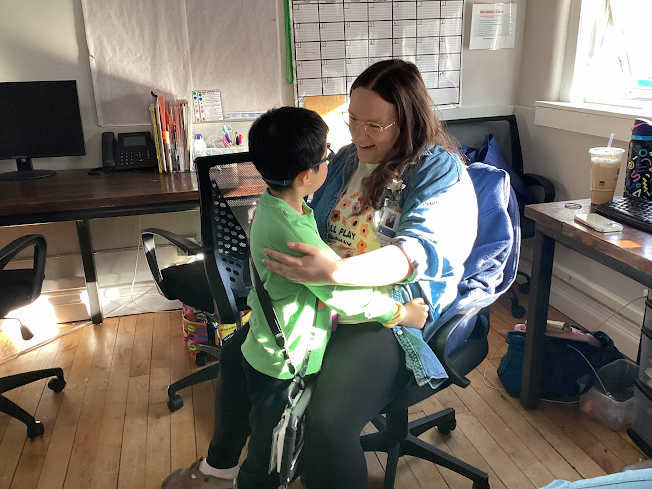
Occupational therapy (OT) is a cornerstone of our anxiety treatment. Our OTs help children with sensory regulation strategies, teaching them how to manage overwhelming sensory input. They work on building tolerance for challenging situations in a gradual, supportive way and provide children with a toolbox of coping skills, such as specific breathing techniques, grounding exercises, and body awareness activities. This improves a child’s emotional regulation and flexibility, empowering them to face their fears.
Speech & Language Therapy
Communication is key. Speech and language therapists support children in learning to express their feelings and needs effectively. For many anxious children, the inability to articulate their worries is a major source of frustration.
We also work on social pragmatic skills to reduce anxiety around peer interactions and build confidence in social settings.
Counseling & Social Work
Our counselors and social workers use evidence based methods adapted for children. This includes cognitive behavioral strategies, which help children identify and reframe anxious thoughts. We use play based therapeutic approaches to make therapy engaging and accessible. A significant part of our work is parent coaching and family support, ensuring that the strategies learned in therapy are carried over into the home.
ABA Therapy (When Appropriate)
For children with co-occurring autism or significant behavioral challenges, Applied Behavior Analysis (ABA) can be a valuable component of the treatment plan. ABA therapy can help teach coping skills, establish routines, and support emotional regulation. We use a supportive, gradual approach to reduce avoidance behaviors and build new, more adaptive skills.
Early Intervention (0–3)
We also focus on early intervention for children from birth to three years old. By identifying early signs of anxiety or sensory dysregulation, we can coach parents on building secure, confident routines from the very beginning. This proactive support can prevent the escalation of anxiety as a child grows.
What to Expect When You Start Services at Eyas Landing
The first step is our evaluation process. We begin with a warm, family centered intake where we listen to your story. We want to understand your child’s unique strengths, challenges, and daily routines.
The paperwork and parent input you provide are essential, as you are the expert on your child. When needed, we conduct multidisciplinary assessments to get a comprehensive picture of your child’s needs.
From there, we create personalized treatment plans. We set goals in collaboration with you, the parents. Our therapists collaborate to discuss your child’s progress and adjust strategies as needed. We believe in tracking progress transparently, so you always know how your child is doing and what we are working on next.
Therapy can take place in a variety of settings to best meet your family’s needs. We offer sessions in our Chicago clinics, in your home, at your child’s school, or through virtual therapy for added flexibility.
Realistic Progress
Progress with anxiety is not always a straight line, but it is measurable. Improvement often looks like reduced avoidance and increased participation. Your child may start trying new things or rejoining activities they once feared. You will likely see better emotional regulation, with fewer meltdowns and a greater ability to bounce back from setbacks.
Other signs of progress include more confidence in social and school settings, improved communication of feelings, and the independent use of coping skills. At home, you may notice that family routines become smoother and that the overall level of stress is reduced. The goal is not to eliminate worry entirely, but to give your child the skills to manage it so it no longer controls their life.
When to Seek Professional Help
It is time to seek professional help when your child’s anxiety is clearly interfering with their daily life. If their school performance is declining, or they are losing friendships due to avoidance or irritability, it is a clear sign that support is needed.
Persistent physical symptoms like stomachaches and headaches that have been cleared of medical causes also warrant attention. Perhaps the most important indicator is when you, as a parent, feel overwhelmed or unsure of how to help. You do not have to handle this alone.
Why Families Choose Eyas Landing
Families choose Eyas Landing because of our long history of serving the Chicago community and our commitment to true, multidisciplinary collaboration. Our team is highly trained and dedicated to relationship based, child centered care. We do not just treat a diagnosis; we support a child. More importantly, we support the whole family. We believe that when the family is empowered with knowledge and strategies, the child has the best possible chance to thrive.
The journey of helping a child with anxiety is one that requires patience, expertise, and a deep well of compassion. Waiting for the worries to simply disappear on their own is a gamble with your child’s well being. The patterns of anxiety can become more entrenched over time, making them harder to address later.
Anxiety is treatable and manageable, especially with early, coordinated intervention. A campfire is easier to put out than a forest fire.
Taking action now can make a meaningful difference in your child’s future, equipping them with the resilience and skills they need to live a full and happy life. Eyas Landing is ready to partner with you and your family every step of the way.

Eyas Landing is a therapy clinic with a mission to provide evidence-based and family-centered therapy services for children, adolescents, and their families. The primary goal is to deliver relationship-based interventions within the most natural environments and to empower families to reach their full potential. To achieve this goal, our highly educated, compassionate staff dedicates time and expertise to create experiences that maximize therapeutic outcomes. The strength, determination, and perseverance of our clients are evident as they succeed in therapy, and ultimately in their daily lives.
Eyas Landing offers a wide range of comprehensive services including Speech Therapy, Occupational Therapy, Physical Therapy, ABA Therapy, Social Work, Family Therapy, and Neuropsych testing. Services are provided throughout the Chicagoland area via Telehealth, In-Home, and in our state of the art clinic.
Want to learn more or you have a specific question? Feel free to connect with us here!