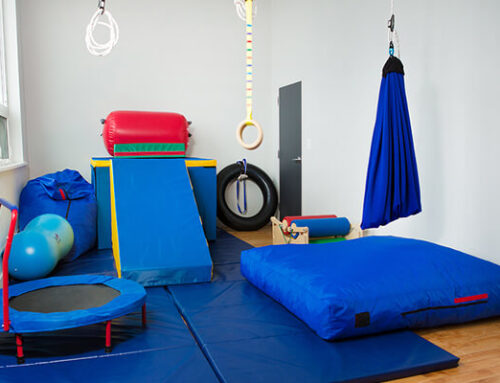
Imagine sitting down at your computer, typing “best therapy for my neurodiverse child” into Google, and watching the screen flood with results: ABA, OT, PT, speech therapy, DIR/Floortime, CBT, social skills groups, sensory integration, play therapy, developmental pediatrics, and more.
Each link promises something different. Each acronym feels like a new language. And none of them seem to answer the real question: What does my child actually need and how do I choose?
You may be asking:
- Where do I begin?
- Who can I trust to guide me?
- What will truly help my child thrive—not just today, but in the years ahead?
With nearly twenty years of experience supporting families, we’ve seen firsthand how overwhelming it can be to advocate for your child in a system filled with jargon, assessments, and competing philosophies. The way forward starts with understanding your child’s unique story, not just their diagnosis.
Choosing the right therapy isn’t about finding a quick fix or checking a box. It’s about honoring your child’s individuality by celebrating their strengths, supporting their challenges, and building a plan that grows with them.
Whether you’re just learning about neurodiversity or have been navigating this path for years, you may be sorting through recommendations from doctors, teachers, and well-meaning friends and even searching the internet late at night for reassurance. Tapping into this wealth of information can be overwhelming, especially when your child’s well-being is at stake.
That’s where we come in! We understand the emotional stress and uncertainty that comes with advocating for a child with diverse learning needs. We know that no one knows your child better than you do, and we respect your expertise as their primary caregiver.
This guide was written to help you cut through the noise, break down the essential information, demystify your options, and offer a foundation for long-term success.
Inside, you’ll find:
- Clear, accessible explanations of neurodiversity and why it matters
- Practical advice on recognizing and celebrating your child’s strengths
- Detailed breakdowns of common therapies, including how they work and how to choose the right blend
- Guidance on creating a supportive home environment that fosters growth and connection
- Insights into individualized, evidence-based, and family-centered therapy models
- Real-world stories from families who’ve walked this path
- Frequently asked questions based on nearly two decades of conversations with parents like you
Let’s move beyond the search bar and into a space of understanding, empowerment, and meaningful support. We are honored to walk this path with you, today and always.
What is Neurodiversity? A Guide for Parents
Before we explore therapy options, it’s important to understand the concept of neurodiversity. Simply put, neurodiversity is the idea that differences in brain function and behavioral traits are natural variations of the human brain. It’s not a deficit or a disorder that needs to be “fixed.” Instead, it is a different way of thinking, learning, processing, and experiencing the world.
When we talk about neurodiversity, we are referring to conditions such as:
- Autism Spectrum Disorder (ASD)
- Attention-Deficit/Hyperactivity Disorder (ADHD)
- Sensory Processing Disorders
- Developmental Delays
- Down Syndrome
- Cerebral Palsy
- Genetic Disorders
Recognizing that your child is neurodiverse is the first step toward finding support that celebrates their strengths while addressing their challenges. The goal of therapy is not to change who your child is, but to provide them with the tools they need to navigate a world that may not always be designed for their unique way of thinking. It’s about building confidence, strengthening skills, and fostering independence.
Therapy Options
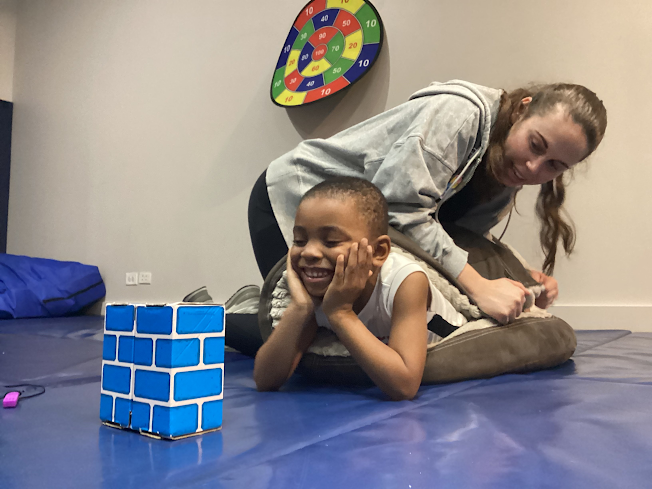
With so many approaches available, finding the right fit can feel daunting. Your concerns are completely valid. The most effective therapy is one that is individualized, evidence-based, and centered on your family’s goals. Let’s break down some common and effective therapeutic approaches.
The Need for Integrated Care
Many families find themselves managing multiple, separate therapy providers. This fragmented approach can be overwhelming and may lead to stalled progress. An integrated model, where different therapists work together as a team under one roof, offers a more comprehensive solution. This collaborative approach ensures that all aspects of your child’s development are addressed in a coordinated way, leading to more meaningful and faster progress.
Understanding Different Types of Therapy
Your child’s team may include a variety of specialists. Partnering with your family, they create a plan tailored for your child’s success.
- Occupational Therapy (OT): Occupational therapists help children participate in the “jobs” of daily life. This can include anything from self-care routines like dressing and eating to fine motor skills like writing and using scissors. For neurodiverse children, OT is especially helpful for developing sensory regulation—learning to manage responses to sensory input like sounds, textures, and lights.
- Speech-Language Pathology (SLP): Speech therapists do more than just help with pronunciation. They support all forms of communication, including understanding language, expressing needs and ideas, and social communication skills. For children who are non-verbal, they may introduce augmentative and alternative communication (AAC) devices. They also address feeding and swallowing challenges.
- Behavioral Therapy: This therapy, which includes approaches like Applied Behavior Analysis (ABA), uses structured teaching to break complex skills into small, achievable steps. ABA is a well-researched method for helping children with autism learn new skills, from communication and social interaction to daily living tasks. The focus is on reinforcing positive behaviors to build confidence and independence.
- Physical Therapy (PT): Physical therapy focuses on improving your child’s gross motor skills, strength, balance, and coordination to support greater independence and physical confidence. Therapists work on activities such as walking, climbing stairs, or catching a ball, using playful, engaging exercises tailored to your child’s developmental level. For children with conditions like cerebral palsy or developmental delays, this therapy is vital for building foundational movement patterns and overcoming physical challenges in a safe and supportive setting.
- Social Work Therapy (SW): Social Workers and Counselors provide compassionate emotional support and practical guidance for children and adolescents navigating life’s challenges. They can help your child develop greater self-awareness, build social skills, express emotions, gain coping strategies, navigate stress, and strengthen decision-making abilities. By working closely with parents and caregivers, social workers help reduce family stress, foster stronger dynamics, and ensure children receive the resources and support they need for long-term success.
The Power of a Team Approach
We believe in a collaborative and multi-disciplinary team approach to therapy. A dedicated team of occupational therapists, speech-language pathologists, physical therapists, mental health therapists, and behavioral therapists are available to work work together for each child.
This ensures that your child and family are fully supported and the best possible results are achieved. This partnership means your child’s goals in speech therapy are reinforced during occupational therapy, and so on. This seamless integration accelerates progress and reduces stress for your family.
Finding a Program That Fits Your Family
When evaluating programs, it’s essential to look beyond the list of services. Look for a program that offers therapy that fits your life.
- Individualized Plans: Every child receives individualized therapy tailored to their unique strengths, challenges, and goals. Avoid one-size-fits-all programs.
- Family-Centered Approach: The program should see you as a key member of the team. They should listen to your concerns, value your expertise about your child, and work toward your family’s shared goals.
- Evidence-Based Practices: The therapies offered should be supported by research. Therapists should be able to explain why they are using a particular approach and what outcomes you can expect.
- Focus on Transition: The ultimate goal is to prepare children for success in future environments, whether that is a mainstream classroom or greater independence in daily life. The right program builds skills for life, not dependency.
Your journey is unique, and finding the right support is a critical step. By understanding neurodiversity and the therapeutic options available, you can make an informed choice that will transform your child’s potential into progress.
Why Eyas Landing Is One of the Best Choices in Chicago’s West Loop
Now that you know what to look for, let’s talk about a clinic that truly delivers: Eyas Landing.
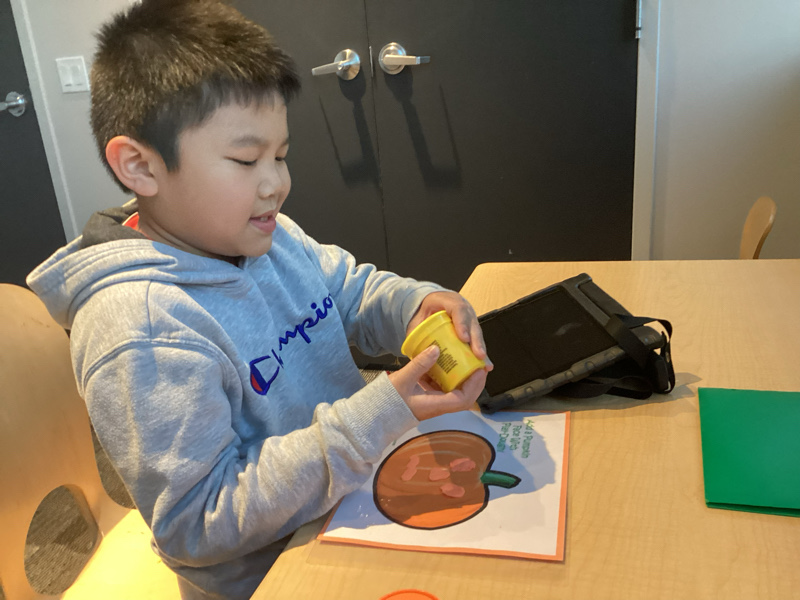
Located in the heart of Chicago’s West Loop, Eyas Landing offers a warm, multidisciplinary environment where therapy is a relationship. From the moment you walk through the doors, you’ll feel the difference: clinicians who listen, plans that adapt, and a philosophy that honors both growth and grounding.
What Makes Eyas Landing Exceptional:
- Multidisciplinary Care Under One Roof
Services include Applied Behavior Analysis, Occupational Therapy, Physical Therapy, Speech Therapy, Social Work and Mental Health Therapy, Early Intervention, and school support—all working together to address complex needs. - Child- and Family-Centered Approach
Therapy focuses on real-life functioning. Plans are personalized, and caregivers are actively involved in coaching and implementation. - Collaborative Culture
Eyas Landing can coordinate with schools, educators, and other providers to ensure consistent progress across settings. Families feel supported, not siloed. - Licensed, Ethical Professionals
The team includes speech-language pathologists, occupational therapists, physical therapists, social workers, counselors, registered behavior technicians, and board certified behavior analysts—all committed to evidence-based, transparent care. - Culturally Responsive and Inclusive
Staff are trained to honor diverse backgrounds and offer services that reflect the values of the families they serve. - Flexible and Future-Focused
Treatment plans evolve with your child. Whether you’re navigating early childhood or adolescence, Eyas Landing adapts to meet changing needs. - Community-Oriented and Transition-Savvy
The clinic connects families to resources, supports IEP advocacy, and helps plan for developmental transitions with clarity and care. - Safety and Confidentiality You Can Trust
HIPAA-compliant systems, clear consent processes, and crisis protocols ensure your child’s data and well-being are protected.
A Mission That Resonates
Eyas Landing’s name says it all. An eyas is a young hawk learning to fly and land, a metaphor for children reaching new heights while staying grounded in daily life. Therapy here isn’t just about progress in the clinic; it’s about thriving at home, in school, and in the community.
Families describe Eyas Landing not just as a provider, but as a partner. A place where clinicians take time to listen, tailor plans, and walk alongside you through every stage of your child’s journey.
Frequently Asked Questions (FAQ)
Q: My child was just diagnosed. Where do I even begin?
A: First, take a breath. A diagnosis is not a label but a tool to help you access the right support. Your next step is to seek a comprehensive evaluation from a multidisciplinary team. This evaluation will help identify your child’s specific strengths and challenges, forming the foundation for an effective and individualized therapy plan.
Q: What is the difference between school-based therapy and private therapy?
A: School-based therapy is designed to support your child’s ability to access the educational curriculum. The caseloads are often large, and services can be limited. Private therapy, especially in an integrated clinic, offers more intensive, one-on-one or small-group support that addresses a wider range of developmental goals beyond the classroom. An integrated approach often produces more growth in months than in years of fragmented school services.
Q: My child has been in therapy before without much success. How can I be sure a new program will be different?
A: This is a common and valid concern. Many programs fail because they use isolated therapy sessions that don’t connect. An integrated model is different because therapy is embedded into natural, play-based learning activities. A team of therapists collaborates on your child’s goals, which means skills are reinforced throughout the day. You should see measurable progress through detailed tracking and regular communication.
Q: How do you measure progress?
A: Progress is measured through a combination of standardized assessments, achievement of individualized goals (like those on an IEP/IFSP), and observational data. More importantly, we track the real-world changes that matter to you. Families often report seeing increased communication attempts, fewer meltdowns, and more joy-filled interactions at home within just a few weeks.
Q: Will therapy try to “normalize” my child or take away their unique personality?
A: Absolutely not. Empathy-driven care is at the heart of what we do. The goal of therapy is to empower your child with tools and skills to navigate the world confidently, not to change who they are. We celebrate neurodiversity and focus on building upon your child’s unique strengths while providing support for their challenges.

Eyas Landing is a therapy clinic with a mission to provide evidence-based and family-centered therapy services for children, adolescents, and their families. The primary goal is to deliver relationship-based interventions within the most natural environments and to empower families to reach their full potential. To achieve this goal, our highly educated, compassionate staff dedicates time and expertise to create experiences that maximize therapeutic outcomes. The strength, determination, and perseverance of our clients are evident as they succeed in therapy, and ultimately in their daily lives.
Eyas Landing offers a wide range of comprehensive services including Speech Therapy, Occupational Therapy, Physical Therapy, ABA Therapy, Social Work, Family Therapy, and Neuropsych testing. Services are provided throughout the Chicagoland area via Telehealth, In-Home, and in our state of the art clinic.
Want to learn more or you have a specific question? Feel free to connect with us here!