Proprioception Overview
Proprio-WHAT?! If your child receives occupational therapy services, there is a good chance you have heard this peculiar term before. It sounds like something from a science fiction movie, perhaps a robot’s primary function or a complex legal term.
Your occupational therapist might casually mention that your child seeks out proprioceptive input or benefits from it during moments of dysregulation. You nod along, but inside you are thinking, “I have no idea what that means. Proprio-WHAT?!”
It is a strange word for a sense that we use every single moment of every day without ever thinking about it. This is a guide to proprioception, explaining what it is, why it is so important for your child’s development, and how you can explore these sensory experiences at home.
What Is Proprioception?
When we think about our senses, we typically list the classic five: sight, hearing, smell, taste, and touch. However, occupational therapists consider a more expanded sensory system that includes two additional, less known senses: the vestibular sense (related to balance and movement) and proprioception.
In simple terms, proprioception is our body awareness. It is the sense that tells us where our body parts are located in space without us having to look at them. Think about it. You can clap your hands together with your eyes closed. You can touch your nose with your finger without looking in a mirror. That is your proprioceptive system at work.
More technically, our bodies receive proprioceptive input through special receptors located within our muscles and joints. These receptors are called proprioceptors. When we engage in activities that stretch our muscles or apply pressure to our joints, these proprioceptors send signals to our brain.
The brain then processes these signals to create a mental map of our body’s position and movement. It is a constant stream of information that allows us to move smoothly and efficiently.
This sense works in close partnership with our other sensory systems. For example, when you walk, your visual system tells you where you are going, your vestibular system helps you maintain balance, and your proprioceptive system tells your brain how your legs and feet are moving and where they are in relation to the ground. This integration is what allows for coordinated, purposeful movement.
For a child, a well functioning proprioceptive system is fundamental for learning and development. It is the foundation upon which many other skills are built.
Without a clear sense of body awareness, a child might appear clumsy, uncoordinated, or have difficulty with motor tasks that seem simple to others. They might struggle to understand personal space or use the right amount of force when interacting with objects and people.
For instance, a child with poor proprioceptive feedback might hug another child too tightly, not because they are being aggressive, but because they cannot accurately gauge the pressure they are applying.
Similarly, they might press too hard with a pencil when writing or seem to break toys easily. These are not behavioral issues; they are sensory challenges.
Understanding proprioception is the first step in helping these children navigate their world more successfully.
Why Is Proprioception Important?
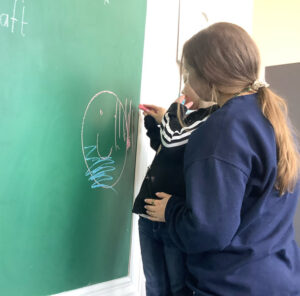
Proprioception is a silent hero of our daily lives, a fundamental sense that supports a vast range of functions we often take for granted. Its importance extends far beyond simple body awareness; it is deeply connected to motor control, emotional regulation, and our ability to interact effectively with the world.
One of the most critical roles of proprioception is in motor planning, also known as praxis. Motor planning is the ability to conceive, plan, and carry out an unfamiliar sequence of movements.
Every time you learn a new skill, whether it is tying your shoes, riding a bike, or learning a new dance step, your brain depends on proprioceptive feedback. It helps you understand how to position your body, how much to move your limbs, and in what sequence.
Without accurate information from our muscles and joints, the brain would be guessing. Imagine trying to button a shirt without being able to feel where your fingers are in relation to the button and the buttonhole. It would be an incredibly frustrating and difficult task.
For children, who are constantly learning new motor skills, a well developed proprioceptive system is essential for mastering everything from crawling and walking to writing and playing sports.
Posture is another area where proprioception plays a vital role. Maintaining an upright posture, whether sitting at a desk or standing in line, requires constant, subtle adjustments in our muscles. Our proprioceptive system provides the continuous feedback our brain needs to activate the right muscles to keep us stable and balanced against gravity.
A child with a poorly integrated proprioceptive system may appear to slouch frequently, lean on furniture, or have difficulty sitting still in a chair. They might fidget, rock, or constantly shift their position in an unconscious effort to get more feedback about where their body is.
This is not a sign of inattention or defiance; it is their body’s way of seeking the sensory information it needs to feel organized and stable.
Beyond motor skills, proprioception is profoundly linked to self regulation. Self regulation is the ability to manage our emotions and behaviors in response to different situations.
Heavy work activities, which provide intense proprioceptive input, have a calming and organizing effect on the nervous system.
When a child is feeling overwhelmed, anxious, or overstimulated, engaging in activities that push or pull against resistance can help bring their arousal level back to a more balanced state.
This is why an occupational therapist might recommend pushing a heavy box or jumping on a trampoline when a child is dysregulated.
The intense pressure in the joints and muscles sends a powerful, grounding signal to the brain, helping to block out other overwhelming sensory information and restore a sense of calm.
It is like giving the nervous system a firm, reassuring hug from the inside out. This makes proprioceptive input an invaluable tool for parents and therapists in helping children manage big emotions and navigate stressful situations.
Examples of Proprioceptive Activities
Providing your child with proprioceptive input does not require expensive equipment or complicated setups. Many effective activities can be easily incorporated into your daily routines at home, at the playground, or even while running errands.
The key principle to remember is that proprioceptive input involves activating the muscles and joints through resistance, pressure, or heavy work. The goal is to give the body strong, clear sensory information.
It is important to distinguish proprioceptive input from other types of sensory input. For example, giving your child a tight squeeze on their arms provides deep tactile pressure, which can also be calming.
However, because it does not involve movement or pressure on the joints, it is not considered proprioceptive input. To provide proprioceptive input to the arms, you would need to engage the joints at the shoulder, elbow, and wrist.
An activity like wall push ups, where the child pushes against a wall with their hands, is an excellent example. This action compresses the joints in the wrists, elbows, and shoulders, sending that valuable feedback to the brain.
Here are several categories of proprioceptive activities you can try with your child, with examples for each.
Jumping and Crashing
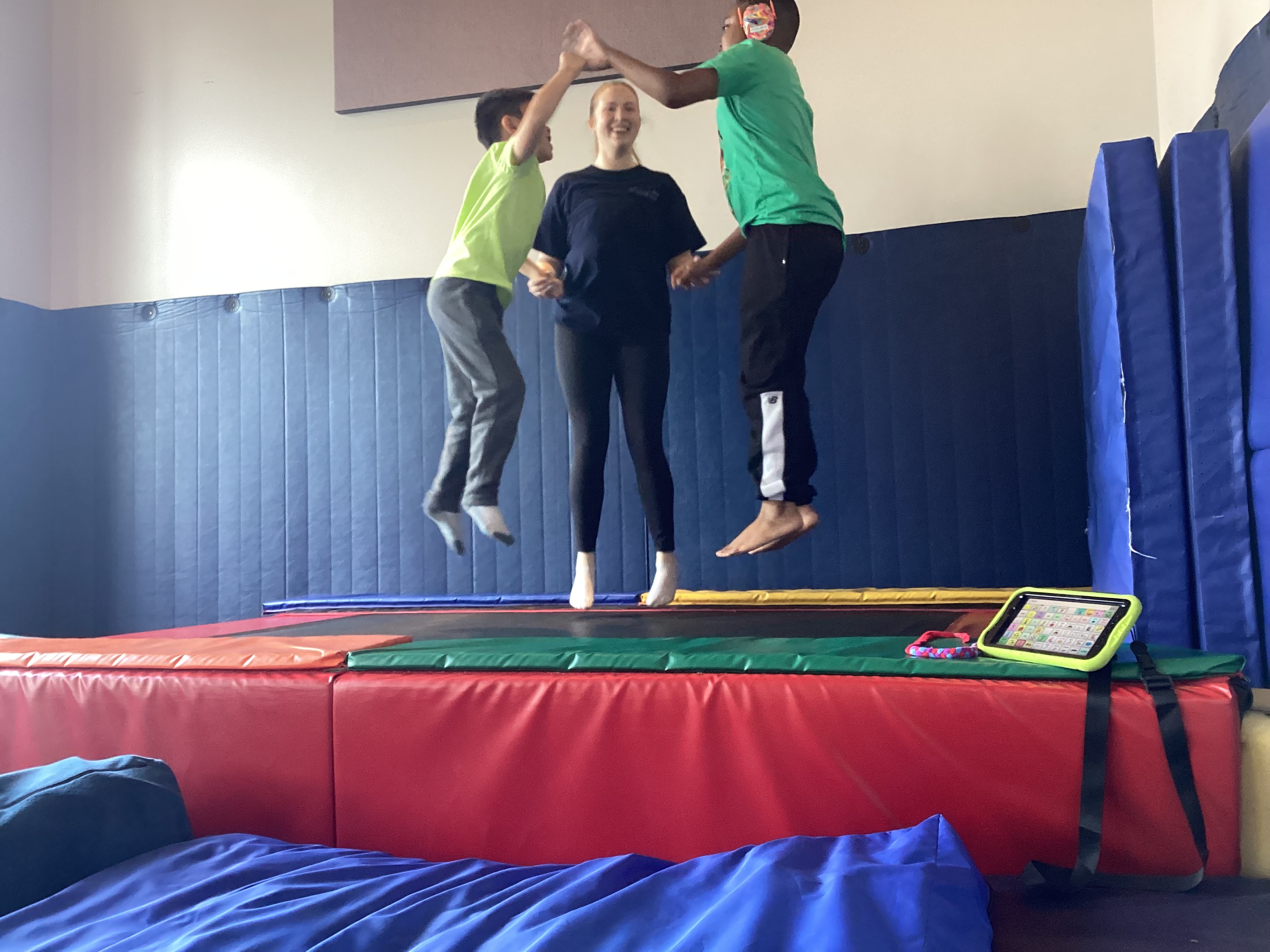
Activities that involve jumping and landing with force provide a significant amount of proprioceptive input to the entire body. The impact of landing sends a powerful signal through the joints of the feet, ankles, knees, and hips.
- Jumping on a Trampoline: A small indoor trampoline or a large outdoor one can provide hours of beneficial sensory input.
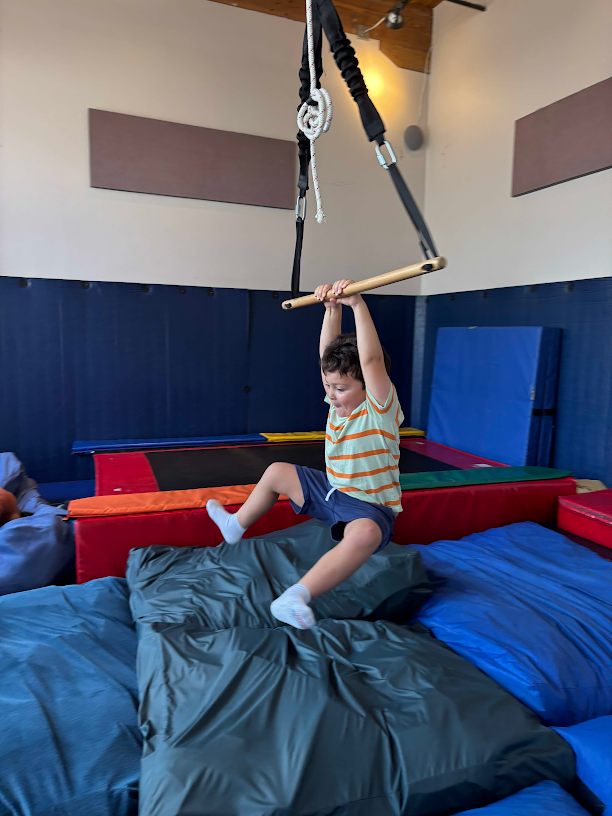
- Crashing on a Crash Pad: If you have space, a large crash pad or a pile of firm cushions and pillows can be a safe place for your child to jump and crash. This full body impact is highly organizing for the nervous system.
- Jumping Jacks: A classic exercise that is easy to do anywhere and provides input to both the arms and legs.
- Leap Frog: This playful game involves deep squatting and explosive jumping, engaging major muscle groups.
Weight Bearing Activities
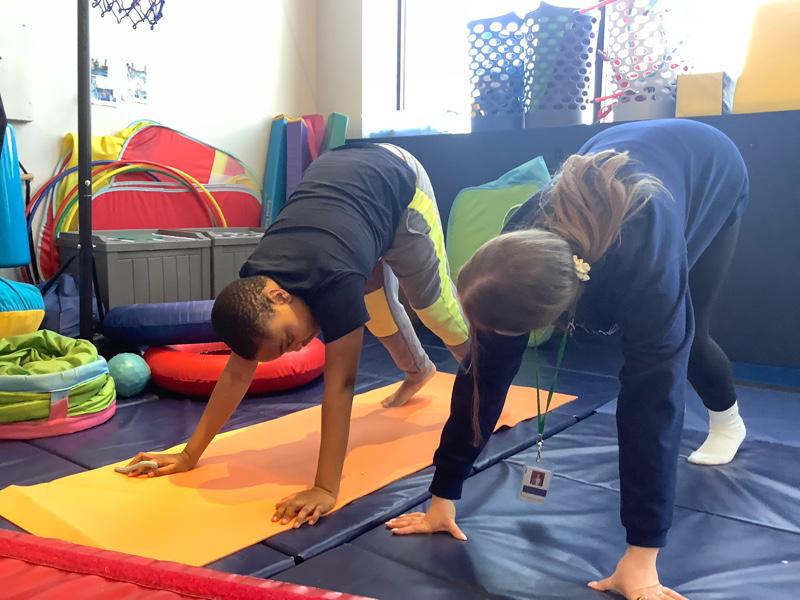
Weight bearing activities require your child to support their own body weight through their limbs. These activities are fantastic for building strength, stability, and body awareness.
- Animal Walks: Encourage your child to move around like different animals. Bear walks (walking on hands and feet), crab walks (walking on hands and feet with belly facing up), and frog jumps are all excellent options.
- Crawling: Crawling is not just for babies. Crawling through tunnels, over pillows, or in a relay race provides wonderful input to the hands, knees, shoulders, and hips.
- Wheelbarrow Walks: Hold your child’s legs while they walk on their hands. This is a challenging activity that provides intense input to the upper body and core.
- Planks and Push ups: Traditional exercises like planks and floor push ups (or modified push ups against a wall or on the knees) are great for older children.
- Yoga: Many yoga poses involve weight bearing and deep stretching, providing both proprioceptive and vestibular input. Poses like downward dog, plank, and warrior poses are particularly effective.
Heavy Work Activities
“Heavy work” is a term used by occupational therapists to describe activities that involve pushing, pulling, or carrying heavy objects. These tasks require significant muscular effort and provide substantial proprioceptive feedback.
- Household Chores: Involve your child in daily chores that provide heavy work. Examples include pushing a vacuum cleaner, carrying a laundry basket, pushing a shopping cart at the grocery store, wiping down tables, or helping to carry in groceries.
- Pushing and Pulling Games: Engage in playful pushing and pulling activities. Pushing a large therapy ball back and forth, playing tug of war with a rope or a large towel, or pushing a sibling on a swing are all great examples.
- Rearranging Furniture: Under supervision, allow your child to help push chairs back to the table or move light pieces of furniture.
- Gardening: Digging in the dirt, carrying a small watering can, or pushing a child sized wheelbarrow are wonderful outdoor heavy work activities.
Activities with Resistance
Activities that involve stretching against resistance also provide proprioceptive input. These are great for providing targeted input to specific muscle groups.
- Resistance Bands: Using therapy resistance bands, you can create a variety of exercises. Have your child pull the bands apart with their hands, wrap a band around their ankles and do leg lifts, or anchor a band to a doorknob and have them pull it.
- Stretchy Toys: Playing with stretchy toys or kneading thick dough or clay engages the small muscles in the hands and provides resistance.
- Swimming: The water provides constant resistance to every movement, making swimming a fantastic full body proprioceptive activity.
Deep Pressure and Joint Compressions
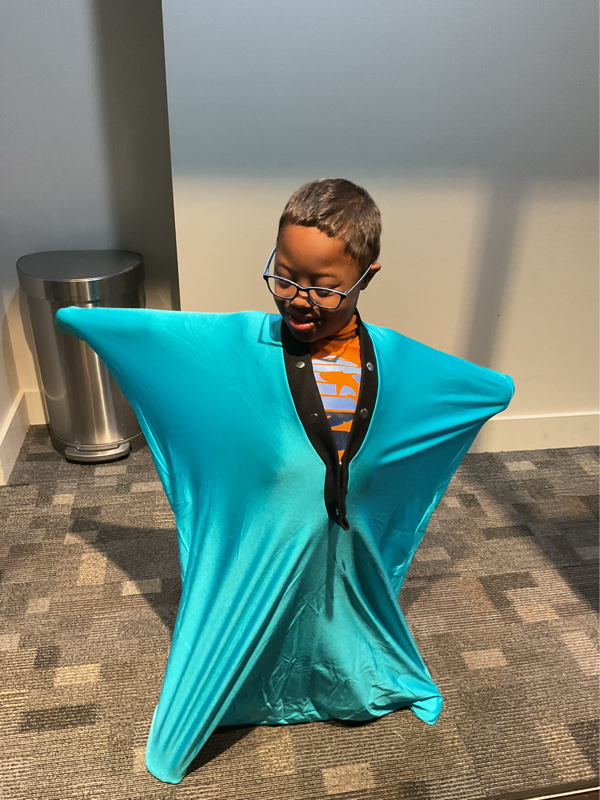
While deep pressure is primarily tactile, certain applications can also provide proprioceptive input. Joint compressions are a specific technique that provides direct input to the proprioceptors.
- Firm Hugs: A firm, deep hug where you are gently squeezing the whole body can provide calming pressure.
- Rolling Up in a Blanket: Tightly rolling your child up in a heavy blanket like a burrito provides deep pressure across the entire body.
- Joint Compressions: This is a technique where gentle, firm pressure is applied to the joints for a few seconds at a time. It is a very effective way to provide direct proprioceptive input. However, it is crucial that this technique is taught to you by a qualified occupational therapist. An OT can show you the correct amount of pressure to use and the proper way to perform the compressions to ensure they are safe and effective for your child. Never attempt joint compressions without professional guidance.
By incorporating a variety of these activities into your child’s day, you can help them develop a better sense of body awareness, improve their motor skills, and provide them with a powerful tool for self regulation. It is about finding what works for your child and making it a natural and fun part of your family’s life. When a child’s proprioceptive needs are met, they are better able to learn, play, and engage with the world around them.
Why Choose Eyas Landing Occupational Therapy Services for Your Child?
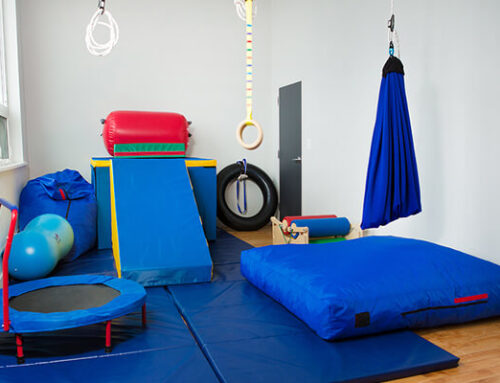
At Eyas Landing, our occupational therapists specialize in supporting children who have proprioceptive challenges. We focus on personalized care that fits your family’s needs—whether that means working in the clinic, collaborating with your child’s school, or helping you find activities to try at home. Our strong school partnerships mean we can help your child’s team adapt classroom routines and offer practical recommendations, so progress is seen where it matters most. Inside our West Loop clinic, your child has access to an incredible sensory gym loaded with swings, climbing structures, crash pads, scooters, and resistance tools. This rich environment lets our therapists design fun, purposeful activities that build skills in a safe, supportive space. By choosing Eyas Landing, your family gains a team who cares deeply about connection and progress—both in the clinic and out in the real world.
“Eyas” is defined as a young hawk in the developmental stage of learning to fly. At Eyas Landing, it’s not only
about the flight, but also the landing. “As our clients succeed in therapy, they succeed in every aspect of their daily life.”- Dr. Laura Mraz, OTD, OTR/L Founder of Eyas Landing since 2007
Three Birds. One Mission.
Eyas Landing is just one part of your child’s journey! Our sister companies, Blue Bird Day and Merlin Day Academy, work together to support your child as they grow. Blue Bird Day, our therapeutic preschool and kindergarten program, is an intensive rotational therapeutic program designed to provide children ages 2-7 with the tools they need to succeed in a classroom environment. Merlin Day Academy— accredited by the Illinois State Board of Education—provides special education and multi-disciplinary therapy for children ages 6-14 with neuro-diverse learning needs.

Eyas Landing is a therapy clinic with a mission to provide evidence-based and family-centered therapy services for children, adolescents, and their families. The primary goal is to deliver relationship-based interventions within the most natural environments and to empower families to reach their full potential. To achieve this goal, our highly educated, compassionate staff dedicates time and expertise to create experiences that maximize therapeutic outcomes. The strength, determination, and perseverance of our clients are evident as they succeed in therapy, and ultimately in their daily lives.
Eyas Landing offers a wide range of comprehensive services including Speech Therapy, Occupational Therapy, Physical Therapy, ABA Therapy, Social Work, Family Therapy, and Neuropsych testing. Services are provided throughout the Chicagoland area via Telehealth, In-Home, and in our state of the art clinic.
Want to learn more or you have a specific question? Feel free to connect with us here!