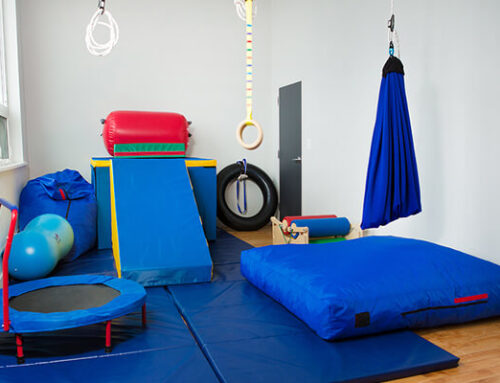
“I can’t do this.” Has your child ever shut down the moment something felt hard? They push away the worksheet and cross their arms. And just quit.
Many of our Chicago parents notice this pattern of giving up and wonder what is going on. How can I help my child build the confidence to keep on trying and not give up?
This guide was written to address this issue. You will learn the difference between a fixed mindset and a growth mindset, how thoughts connect to feelings and actions, three simple strategies and the power of YET.
You’ll also discover how Cognitive Behavioral Therapy (CBT) for children and pediatric social work services in Chicago can support real, lasting growth. And how the multidisciplinary team at Eyas Landing in Chicago’s West Loop is promoting this everyday.
If you’d like more personalized insights, please contact us today. We’re here to support you every step of the way.
What Is a Fixed Mindset?
A fixed mindset is the belief that our abilities are set in stone and cannot change. A child with this mindset might decide, “I’m just bad at math,” and stop trying altogether. When something feels hard, their first instinct is to quit before they even begin.
Over time, this pattern can hold children back from reaching their full potential in the classroom, at home, and in life.
You’ll often hear certain phrases that signal a fixed mindset in children:
- “I can’t do this.”
- “I give up.”
- “I’m not going to try.”
These reactions typically show up right after a child fails at something. Instead of seeing the challenge as a chance to learn, they interpret it as proof they’re simply not good enough.
This kind of self-talk chips away at confidence and makes new tasks feel threatening rather than exciting.
It’s important to recognize that a fixed mindset is not your child’s fault—and it doesn’t mean they aren’t capable. It’s a thinking pattern. And like any pattern, it can be reshaped with consistent support, empathy-driven care, and the right therapeutic tools.
Does My Child Have a Fixed Mindset? Signs to Watch For
Before diving into solutions, it helps to understand the signs. Children with a fixed mindset often:
- Avoid challenges or new activities out of fear of failure
- Give up quickly when a task feels difficult
- Feel threatened when peers or siblings succeed at something they can’t
- Interpret feedback or correction as personal criticism
- Use phrases like “I’m just not good at this” as a final answer rather than a starting point
These behaviors are especially common in children with developmental delays, ADHD, autism spectrum disorder (ASD), anxiety, or sensory processing differences. If your child falls into one of these categories, they may need additional support to build the internal tools that allow a growth mindset to take hold. That’s where evidence-based pediatric therapy in Chicago can make a meaningful difference.
How a Fixed Mindset Connects to Cognitive Behavioral Therapy
Cognitive Behavioral Therapy—CBT for short—is a well-researched, evidence-based therapeutic approach that helps individuals understand the relationship between their thoughts, emotions, and actions. Think of it as a map that shows how what we tell ourselves shapes how we feel, and how we feel drives what we do next.
Here’s how the cycle typically plays out for a child stuck in a fixed mindset:
- Thought: “I can’t do this.”
- Emotion: Frustration, hopelessness, or feeling overwhelmed.
- Action: Refusing the task, shutting down, or avoiding it entirely.
Picture a child sitting down to work on a homework assignment. The thought “I can’t do this” sparks frustration. That frustration leads them to slam the book shut. The next time homework appears, the same cycle repeats—and each time it does, the pattern becomes more ingrained.
Cognitive Behavioral Therapy for children is one of the most effective tools pediatric therapists use to interrupt this cycle. Rather than simply addressing behaviors on the surface, CBT goes deeper—helping children identify the thoughts that drive those behaviors. Licensed pediatric social workers and therapists trained in CBT can teach children to notice these thought patterns and practice replacing them with ones that open the door to effort and learning.
At Eyas Landing in Chicago, our social work and counseling team uses CBT as part of a comprehensive, individualized approach to help children reframe the way they think about challenges—turning roadblocks into stepping stones.
What Is a Growth Mindset?
A growth mindset is the belief that we can learn new things and that our abilities develop with practice and effort. A simple way to explain it to kids: “Our brain is like a muscle—the more we use it, the stronger it gets!” Every time we try something new or push through something difficult, our brain is growing.
With a growth mindset, your child understands that making mistakes is a natural part of learning—not proof that they’ve failed. Think about learning to ride a bike. It’s normal to wobble and fall at first. But with patience and practice, balance comes. Suddenly, they’re pedaling confidently down the sidewalk.
Common phrases that reflect a growth mindset include:
- “I got this.”
- “I can do it.”
- “With practice, I’ll get it.”
These words might seem small, but they carry enormous weight. When children begin to believe they can improve—even at things that feel hard right now—they become more willing to take on challenges, recover from setbacks, and persist toward their goals. That resilience is one of the most powerful skills a child can develop.
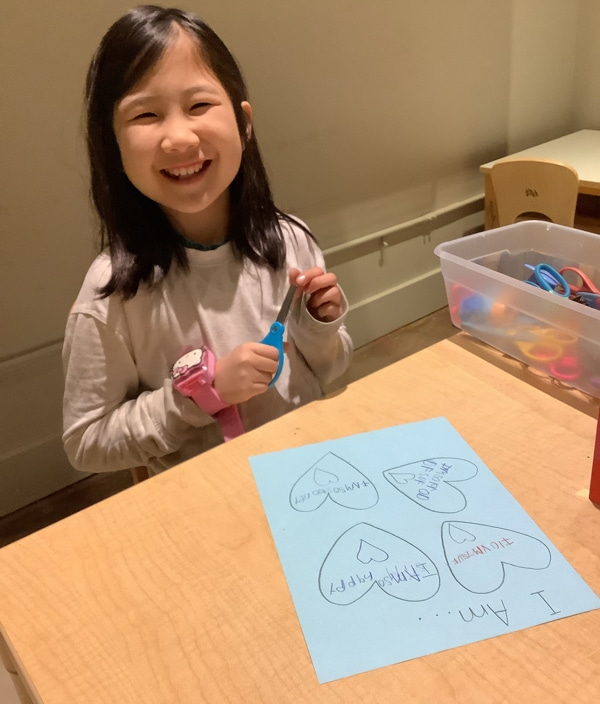
3 Evidence-Backed Ways to Practice a Growth Mindset at Home
Building a growth mindset is a skill—and like all skills, it takes practice. Here are three approaches you can begin using at home right away, alongside the work your child does with their therapy team.
1. The Power of YET
The Power of YET is a simple but transformative language shift. Adding one small word—”yet”—to a fixed-mindset statement turns a dead end into an open road.
If your child says, “I can’t crawl through the tunnel,” gently reframe it: “I can’t crawl through the tunnel yet!” That single word signals that success is still possible—it’s just around the corner.
Try this at home: Listen for “I can’t” statements throughout the day. Each time you hear one, invite your child to add “yet” at the end. Over time, this small habit helps children internalize the idea that struggle is temporary, not permanent.
2. Draw Inspiration From Real Stories of Perseverance
Another powerful tool is sharing real stories of people who faced failure but kept going. Learning that their heroes—athletes, inventors, artists—also struggled makes children feel less alone in their own challenges.
Take Milton S. Hershey, founder of Hershey’s Chocolate. Before building one of the most successful chocolate companies in American history, he failed three times. He didn’t treat failure as the end of the road. Instead, he used each setback to learn, refine, and improve—until he got it right.
Sharing stories like this normalizes struggle for children. It communicates a powerful message: “Even the most successful people fall down. What matters is that they got back up.”
For children who connect better with contemporary figures, stories of athletes overcoming injuries, musicians who were rejected before finding success, or scientists who failed hundreds of experiments before a breakthrough can be equally inspiring.
3. Daily Affirmations to Build Inner Confidence
Affirmations are short, positive statements your child repeats about themselves—ideally at the start of each day. Over time, these statements help children replace harsh self-criticism with kind, encouraging self-talk.
Help your child choose phrases that feel true and meaningful to them:
- “I am amazing.”
- “I got this.”
- “I’m doing my best.”
- “I’m brave enough to try.”
It might feel a little awkward at first—and that’s okay. With consistency, positive self-talk becomes a genuine part of how your child sees themselves. This is especially helpful for children who struggle with anxiety, low self-esteem, or negative self-perception.
The CBT Connection: How a Growth Mindset Changes Everything
Now let’s return to the thought-emotion-action cycle—but with a growth mindset in the driver’s seat.
When a child enters a challenge thinking, “I got this,” here’s what changes:
- Thought: “I got this.”
- Emotion: Motivated, hopeful, ready to try.
- Action: Attempting the task, persisting through difficulty, not giving up.
That one positive thought triggers a completely different chain of events. Hope replaces frustration. Effort replaces avoidance. And every time your child pushes through a hard moment, the growth mindset grows stronger—creating a healthy, self-reinforcing cycle that builds skills, confidence, and resilience.
This is why CBT is so powerful as a therapeutic tool. It targets the root of the pattern—the thought itself—rather than just managing the behavior on the surface.
How Pediatric Social Work at Eyas Landing Chicago Can Help
If your child frequently gets stuck in fixed-mindset thinking, professional support can make a significant difference. A licensed pediatric social worker trained in Cognitive Behavioral Therapy and growth mindset principles can help your child build these skills in a structured, encouraging environment—then support you in reinforcing them at home.
At Eyas Landing, our Chicago social work team follows a clear, compassionate process:
- Building awareness of the CBT connection. First, your child learns how one thought can shape their emotions and actions. This understanding is empowering—it helps children feel in control of their own minds.
- Practicing growth mindset tools. Your child works on the Power of YET, affirmations, and inspiration techniques in individual or group sessions tailored to their age and developmental level.
- Guiding the reframe. Our therapists help children identify fixed-mindset moments in real time and practice shifting to growth-mindset thinking—consistently, compassionately, and at your child’s own pace.
Over time, children begin to catch and reframe their own fixed-mindset thoughts independently. That self-awareness is a genuine breakthrough—and it’s the kind of progress that follows them into every area of life.
Why Eyas Landing Is Different
Eyas Landing is a multi-disciplinary pediatric therapy provider serving children and adolescents throughout Chicago and the surrounding area. Our West Loop clinic brings together occupational therapists, speech-language pathologists, physical therapists, ABA therapists, social workers, and counselors—all working collaboratively under one roof to support your child’s growth as a whole person.
We understand that no two children are the same, which is why every treatment plan at Eyas Landing is fully individualized. Therapy is available in our West Loop clinic, in your home, at your child’s school or daycare, or through telehealth—so you can access quality pediatric therapy in Chicago in the way that works best for your family.
Our team has deep experience supporting children with autism spectrum disorder, ADHD, developmental delays, sensory processing differences, anxiety, and challenging behaviors. We don’t just work with your child—we partner with your whole family, providing coaching and guidance so you can reinforce growth at home and in everyday life.
Parents who work with our team consistently share that mindset shifts lead to real, visible change: more confidence trying new things, fewer shutdowns when tasks feel hard, and a child who truly believes in their own potential.
Signs It May Be Time to Seek Professional Support
You know your child best. Trust your instincts. It may be time to reach out to a pediatric therapist or social worker if your child:
- Shuts down or melts down frequently when faced with challenging tasks.
- Refuses to try new activities due to fear of failure.
- Shows signs of anxiety, low self-esteem, or persistent negative self-talk.
- Has been diagnosed with a developmental delay, ASD, ADHD, or related condition.
- Is falling behind academically or socially despite your best efforts at home.
Seeking support early gives your child the best chance to build the thinking skills they need before fixed-mindset patterns become deeply rooted. Eyas Landing’s team of Chicago pediatric therapy experts is here to conduct a thorough assessment and build a plan tailored specifically to your child’s strengths, challenges, and goals.
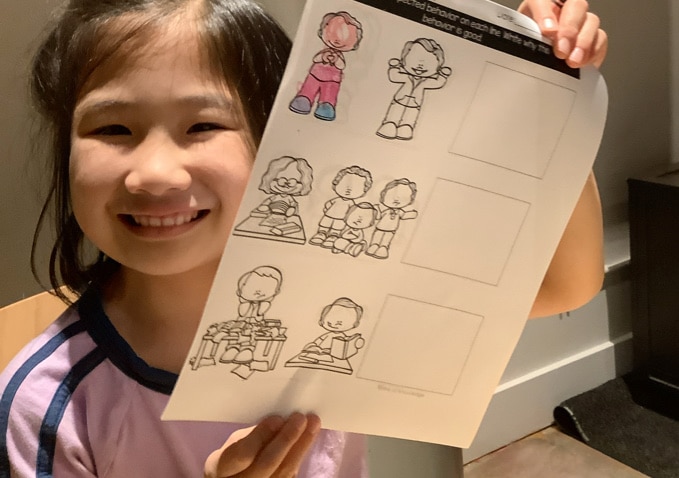
Helping Your Child Move From “I Can’t” to “I Got This”
A fixed mindset can leave children feeling stuck, discouraged, and afraid to try. But a growth mindset opens the door to learning, resilience, and lasting confidence. By understanding the thought-emotion-action cycle and practicing tools like the Power of YET, inspiring stories, and daily affirmations, your child can learn to see mistakes as part of growing—not as proof of failure.
Professional therapy strengthens this shift. With the right support from an experienced Chicago pediatric social work and therapy team, your child gains the structure, practice, and encouragement they need to reframe their thinking and build skills for life.
Change doesn’t happen overnight, and you don’t have to figure this out alone. Every family’s journey is different, and every child’s potential is real.
Your next step is simple. Contact Eyas Landing in Chicago today to schedule an assessment and explore how our growth mindset-focused pediatric therapy and social work services can support your child. Together, we’ll transform “I can’t” into “I got this”—one milestone at a time.
Frequently Asked Questions About Growth Mindset and Pediatric Therapy in Chicago
Q: When should I seek professional support for my child’s mindset struggles?
If your child’s fixed-mindset thinking is showing up often and starting to affect their daily life — at school, at home, or in social situations — it may be time to connect with a pediatric social worker or therapist. Some clear signs to watch for include frequent meltdowns or shutdowns when tasks feel challenging, a strong reluctance to try anything new, persistent negative self-talk like “I’m stupid” or “I’ll never be good at this,” or a pattern of giving up so quickly that your child isn’t building skills at the pace you’d expect.
These patterns are especially worth addressing early if your child has been diagnosed with ADHD, autism spectrum disorder, anxiety, developmental delays, or sensory processing differences — because for these children, fixed-mindset thinking can become deeply rooted without targeted support. The good news is that you don’t have to wait for things to reach a crisis point.
At Eyas Landing in Chicago, our pediatric social work and therapy team offers comprehensive assessments to understand your child’s unique strengths, challenges, and needs. From there, we build an individualized plan — using Cognitive Behavioral Therapy, growth mindset tools, and family coaching — delivered wherever works best for your family, whether that’s our West Loop clinic, your home, your child’s school, or through telehealth. Reaching out early gives your child the strongest foundation to build lasting confidence and resilience.
Your next step is simple: contact Eyas Landing today to schedule an assessment and take the first step toward “I got this.”
Q: What can I do at home to help my child develop a growth mindset? There are three simple strategies you can start using right away, no therapy degree required. First, try the Power of YET — when your child says “I can’t do this,” gently add one word: “You can’t do this yet.” That small shift keeps the door to learning open. Second, share real stories of people who failed before they succeeded.
The founder of Hershey’s Chocolate, Milton Hershey, failed three times before building one of America’s most beloved brands — stories like his show your child that setbacks are part of the journey, not the end of it. Third, build a daily affirmation habit. Help your child choose a few short, positive phrases — “I got this,” “I am amazing,” “I’m doing my best” — and say them together each morning.
Over time, kind self-talk starts to replace harsh inner criticism, and your child begins to see themselves as someone who can grow. These tools work best when they’re practiced consistently and reinforced alongside professional support. At Eyas Landing in Chicago, our pediatric social work and therapy team coaches families through all three strategies so you feel confident using them at home every day.
Q: How does Cognitive Behavioral Therapy (CBT) help my child shift from a fixed mindset to a growth mindset?
CBT — short for Cognitive Behavioral Therapy — is a research-backed approach that helps children see the connection between their thoughts, feelings, and actions. When a child thinks “I can’t do this,” that single thought sparks frustration, which leads to shutting down or refusing to try.
CBT helps children spot that pattern and gently replace the unhelpful thought with one that moves them forward like “I can’t do this yet.”
At Eyas Landing in Chicago, our licensed pediatric social workers use CBT alongside growth mindset tools like the Power of YET, positive affirmations, and real stories of perseverance to help children practice new ways of thinking in a safe, supportive setting.
Over time, children begin to catch and reframe their own fixed-mindset thoughts and that shift shows up in real life, whether it’s staying calm during a tough homework assignment, trying something new at school, or bouncing back after a setback instead of giving up.
Q: How can I tell if my child has a fixed mindset?
Some signs are easy to spot, while others are more subtle. Children with a fixed mindset often give up quickly when a task feels difficult, avoid new activities out of fear of failing, or use phrases like “I’m just not good at this” as though it’s a permanent truth. You might also notice that your child gets unusually upset when they make a mistake, reacts strongly to feedback or correction, or feels threatened when a sibling or classmate succeeds at something they find hard.
These patterns show up in many children—and they’re especially common in kids with ADHD, autism spectrum disorder, anxiety, or sensory processing differences. If any of this sounds familiar, know that a fixed mindset is not a character flaw or a reflection of your parenting. It’s a thinking pattern, and with consistent support and the right therapeutic tools, it can absolutely change.
This post was originally published in January 2024 and was rewritten in August 2026 to include updated strategies.

Eyas Landing is a therapy clinic with a mission to provide evidence-based and family-centered therapy services for children, adolescents, and their families. The primary goal is to deliver relationship-based interventions within the most natural environments and to empower families to reach their full potential. To achieve this goal, our highly educated, compassionate staff dedicates time and expertise to create experiences that maximize therapeutic outcomes. The strength, determination, and perseverance of our clients are evident as they succeed in therapy, and ultimately in their daily lives.
Eyas Landing offers a wide range of comprehensive services including Speech Therapy, Occupational Therapy, Physical Therapy, ABA Therapy, Social Work, Family Therapy, and Neuropsych testing. Services are provided throughout the Chicagoland area via Telehealth, In-Home, and in our state of the art clinic.
Want to learn more or you have a specific question? Feel free to connect with us here!